

 English
 中文简体
中文简体The world of electric bike motors manufacturers is seeing rapid development as new designs and technologies emerge to meet evolving rider needs. With more people turning to electric bicycles for commuting, leisure, and even delivery purposes, the motors powering these bikes have become a central focus of attention. Riders are looking for systems that combine smooth performance, reliability, and efficiency, while also being compatible with a variety of bike styles and urban environments.
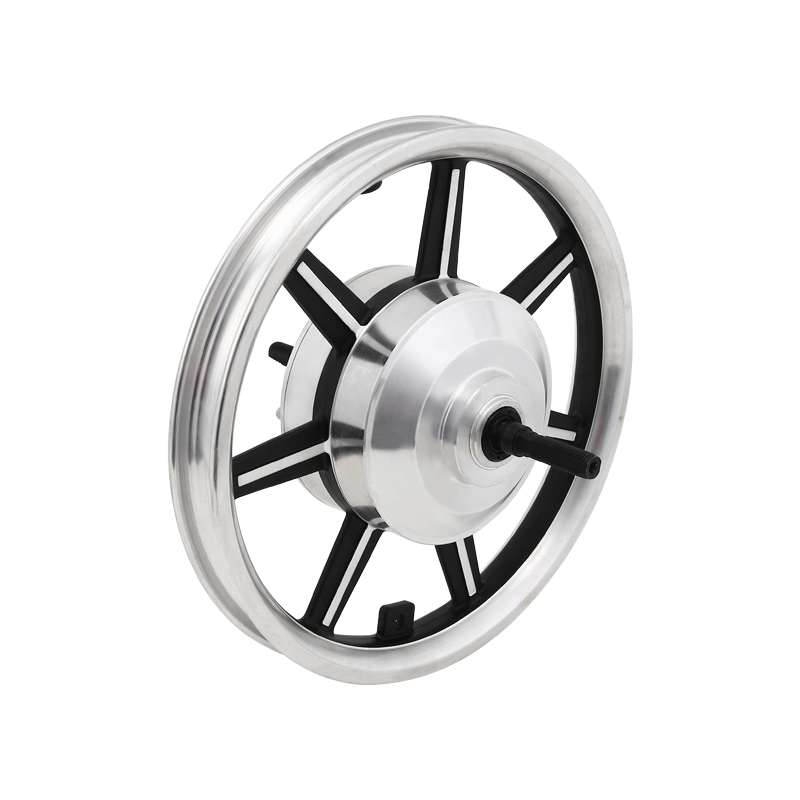
Modern electric bike motors are no longer just about adding power—they are designed to enhance the overall riding experience. Many systems now offer features such as adjustable assistance levels, which allow riders to customize how much motor support they receive based on terrain or personal preference. This has helped e-bikes appeal to a broader audience, from casual urban riders seeking a comfortable commute to enthusiasts who want a more responsive ride on hills or longer journeys.
One noticeable change among electric bike motors manufacturers is the growing focus on modularity and ease of integration. Motors, controllers, and batteries are increasingly designed to work together seamlessly, allowing riders to upgrade components without replacing the entire system. This flexibility is particularly useful for people who want to retrofit traditional bicycles with electric assistance, or for those looking to maintain or extend the life of an existing e-bike. It also allows manufacturers to experiment with innovative designs while keeping products adaptable to diverse cycling needs.
Efficiency and reliability remain key priorities for motor designers. Riders often cite smooth acceleration and quiet operation as top factors in their satisfaction. Advanced motors now manage power distribution more intelligently, delivering just the right amount of assistance depending on speed, pedal input, and terrain. This not only improves the ride feel but also helps conserve battery energy, extending the distance a rider can travel on a single charge.
Another area of development is connectivity and user interaction. Many motors now feature systems that allow riders to monitor performance metrics such as speed, energy consumption, and motor temperature. Some even provide the ability to adjust performance settings via mobile apps or integrated bike displays. These enhancements help riders better understand their bikes, optimize performance, and maintain their systems more effectively over time.
Sustainability is also influencing electric bike motors. Manufacturers are exploring ways to use more durable, recyclable materials and design systems that require less energy during operation. These approaches appeal to environmentally conscious riders who want an electric bike that aligns with broader efforts to reduce emissions and environmental impact.
Urban commuting patterns are shaping motor development as well. Bikes are increasingly used in cities with varying terrain, tight traffic conditions, and frequent stops. Motors that provide consistent torque at low speeds, respond quickly to start-and-stop traffic, and offer a smooth ride are becoming more common. These features help riders feel confident in busy streets while comfort and efficiency.
While technical innovation continues, the ultimate goal remains improving the rider’s experience. Features like adjustable assistance, quiet operation, smooth handling, and easy maintenance are all becoming standard expectations. By focusing on these practical improvements, electric bike motors manufacturers are making e-bikes more accessible, enjoyable, and versatile for a wide range of users.