

 English
 中文简体
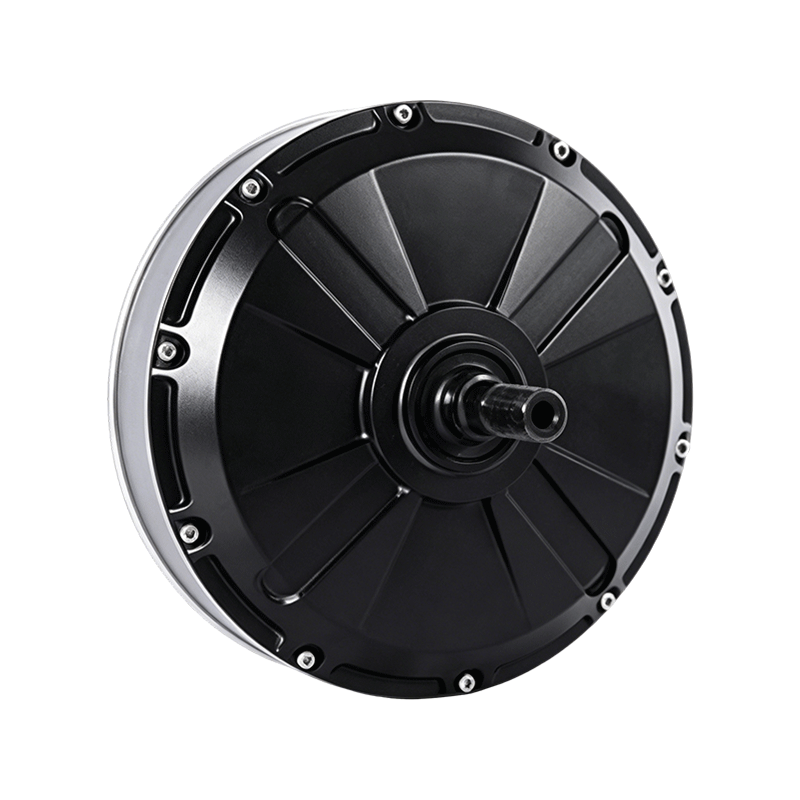
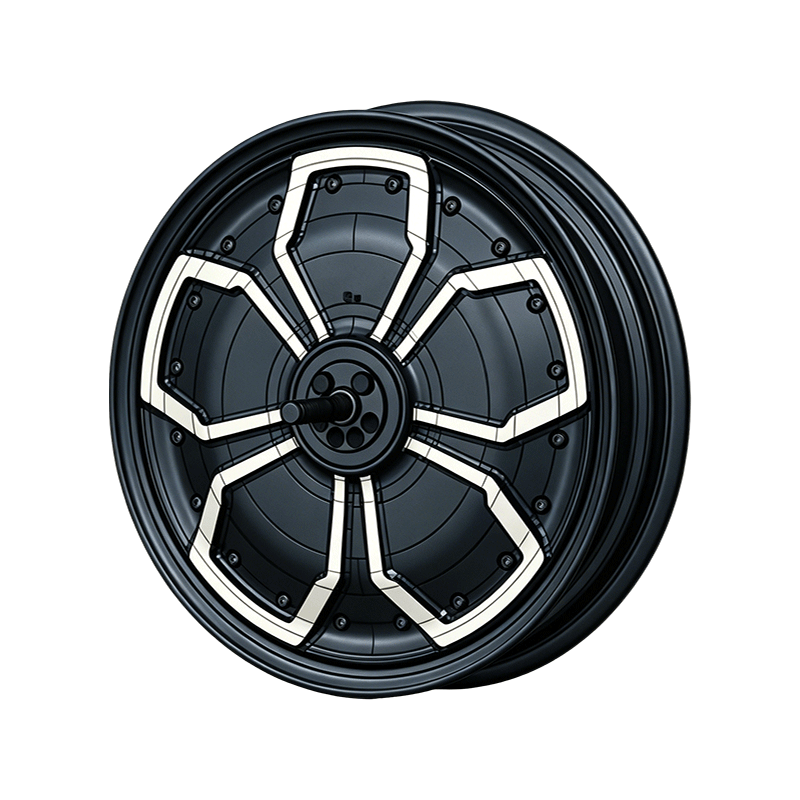
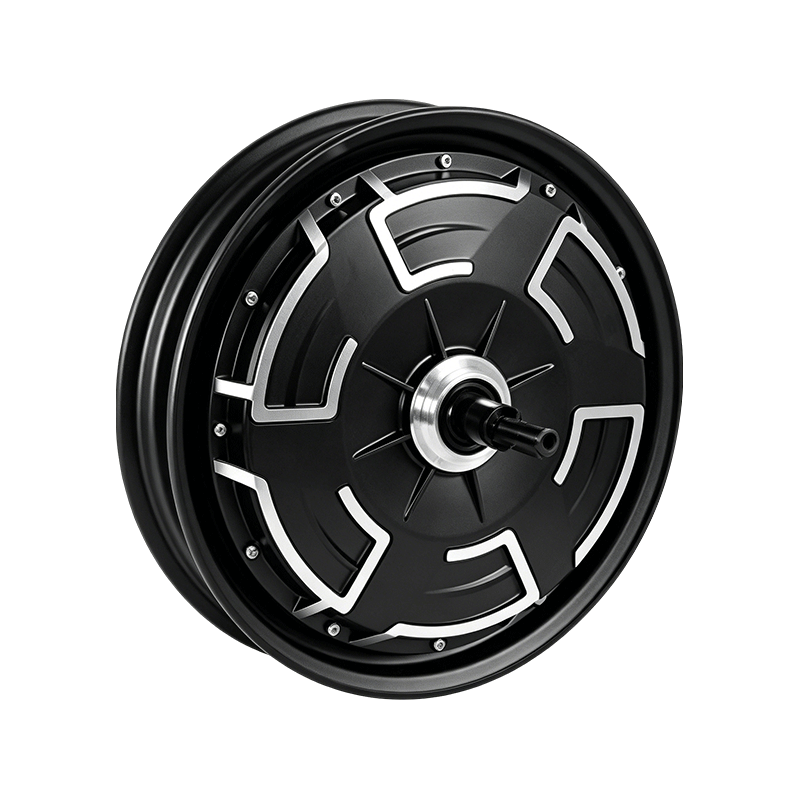
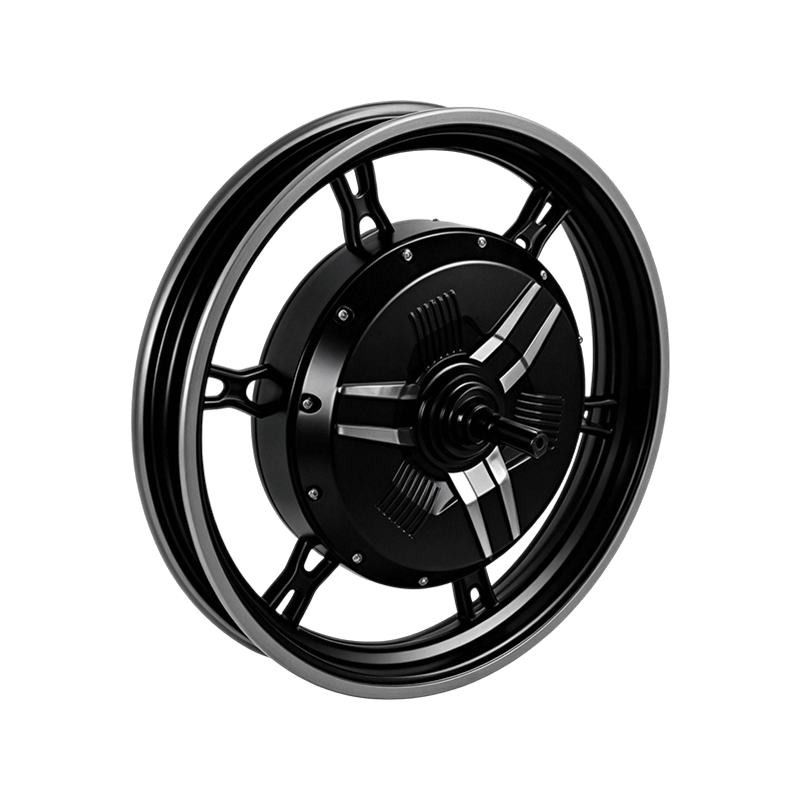
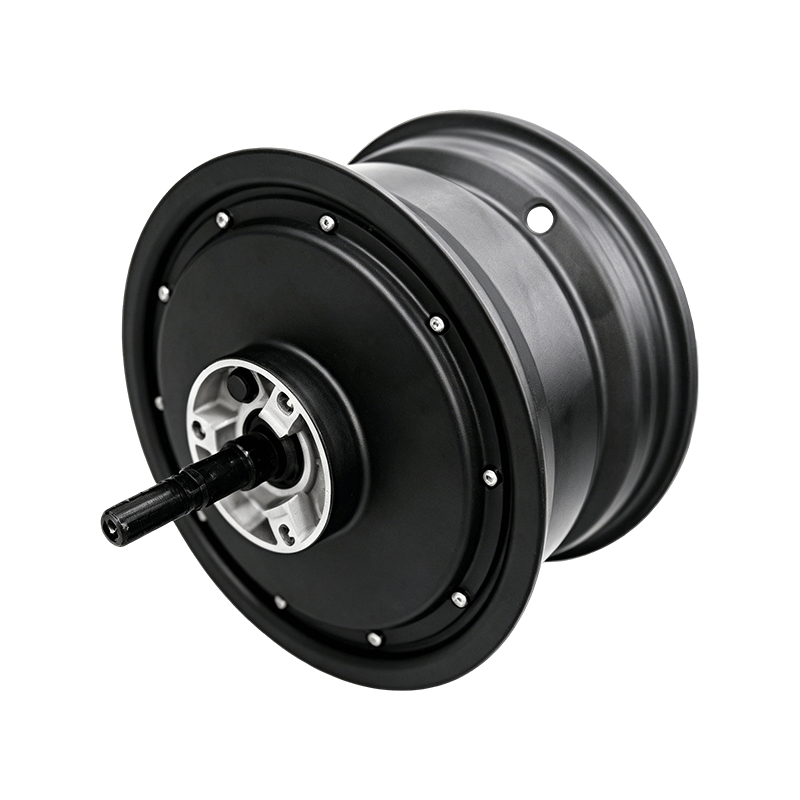
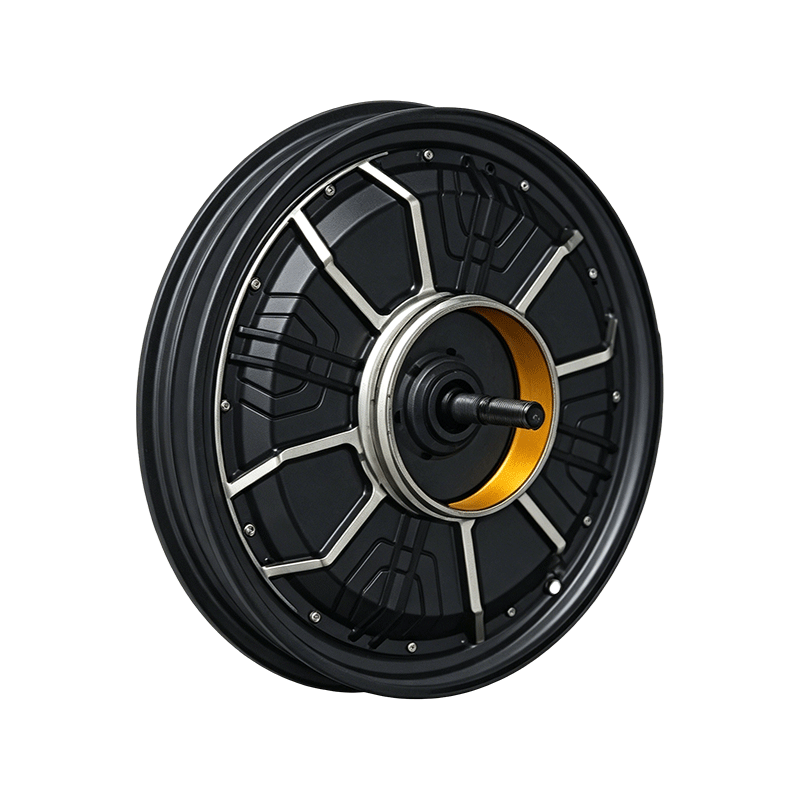
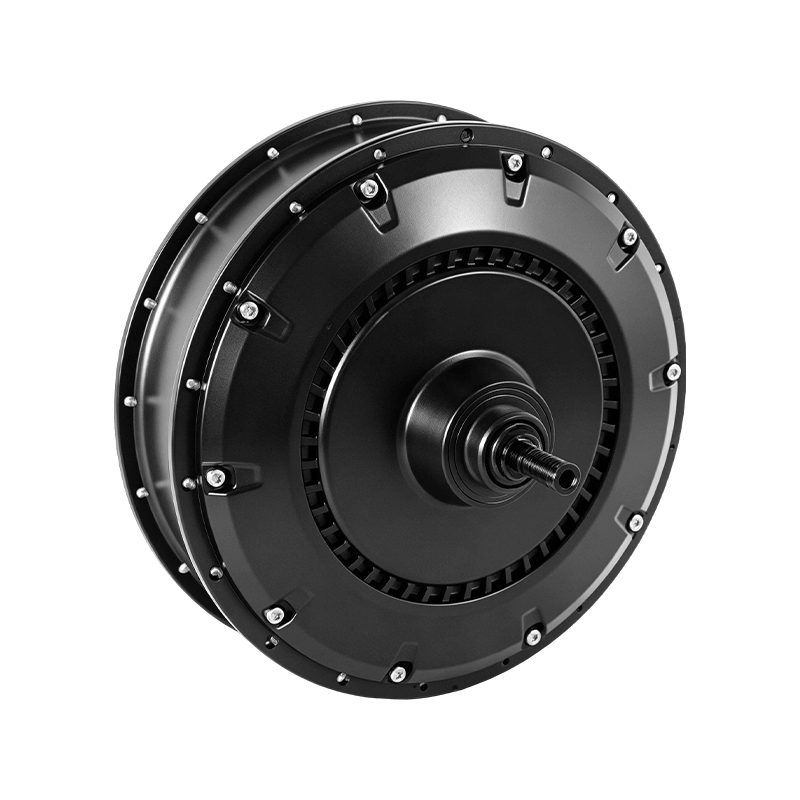
中文简体Hub motor kits are gaining attention among urban cyclists and do‑it‑yourself enthusiasts looking to electrify their bicycles. These kits typically include a motorized wheel, controller, and wiring, allowing riders to retrofit traditional bikes with electric assistance. In cities where commuting distances vary or the terrain is challenging, hub motor kits have become an appealing option for people seeking more flexibility and convenience in their daily rides.
.png)
Many riders value the simplicity of hub motor kits. Unlike systems that require integration with a bike’s chain and gears, hub motors are mostly contained within the wheel hub, making installation more straightforward. This ease of installation has encouraged a growing community of cyclists to experiment with converting their bicycles for commuting or leisure.
Modern hub motor kits focus on balancing power and efficiency. Motors are designed to provide smooth acceleration while maintaining quiet operation, allowing for a comfortable ride even in stop‑and‑go traffic. Controllers regulate the motor’s output, ensuring that riders receive consistent assistance when pedaling, especially on inclines or longer trips. This balance helps users enjoy a seamless experience without requiring constant adjustment.
Urban commuters are also benefiting from the adaptability of hub motor kits. Many kits allow riders to adjust settings such as assistance level or wheel speed, enabling a personalized riding experience. This customization is particularly useful in cities with mixed terrain or varying traffic conditions. Riders can optimize their setup for energy efficiency or for a more responsive feel when navigating crowded streets.
Beyond individual use, hub motor kits are becoming a practical solution for small delivery services and urban businesses. Lightweight electric bicycles powered by hub motors can help workers carry light cargo efficiently while reducing fatigue. The simplicity of the kit system means maintenance is relatively straightforward, with fewer components than traditional motor systems. This makes it easier for small fleets to adopt electric mobility solutions without investing in entirely new vehicles.
Safety and compatibility are important considerations. Not all bicycles are designed to handle the extra torque of a hub motor, and some modifications may be needed to reinforce frames or upgrade brakes. Proper installation and routine maintenance help ensure reliability and rider safety.
Technological improvements have also enhanced the appeal of hub motor kits. Controllers now include features such as battery management, smooth acceleration curves, and in some cases, energy recovery during braking. These improvements allow riders to extend their battery life and enjoy a more controlled ride, making urban cycling more practical and enjoyable.
The popularity of hub motor kits reflects a broader interest in flexible and accessible electric mobility. Whether used for commuting, leisure, or light cargo transport, these kits provide an entry point into electrified cycling without requiring a completely new bike. By focusing on ease of use, reliable performance, and adaptability, hub motor kits are helping more people explore electric-assisted transportation in city environments.
Frequently Asked Questions about Hub Motor Kits
Q1: What is a hub motor kit?
A: It is a retrofit system that includes a motorized wheel, controller, and wiring to electrify a standard bicycle.
Q2: Are all bicycles compatible with hub motor kits?
A: Many bikes work, but frame strength and brake compatibility should be checked.
Q3: Can hub motor kits handle hills?
A: Higher-power kits provide better torque for inclines and heavier loads.
Q4: Is installation difficult?
A: Basic kits are user-friendly, while more powerful systems may require additional modifications.