

 English
 中文简体
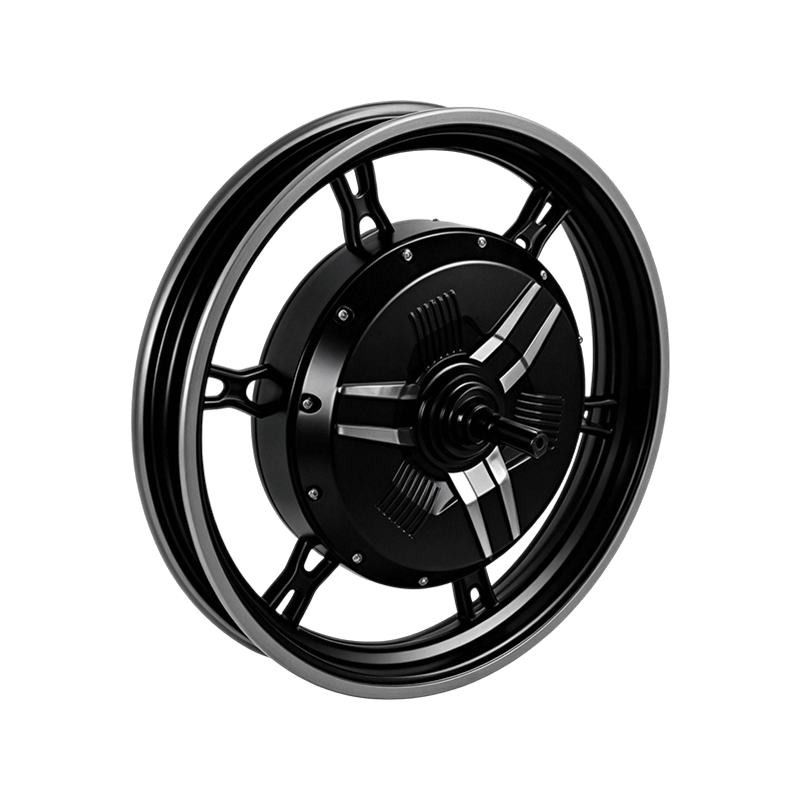
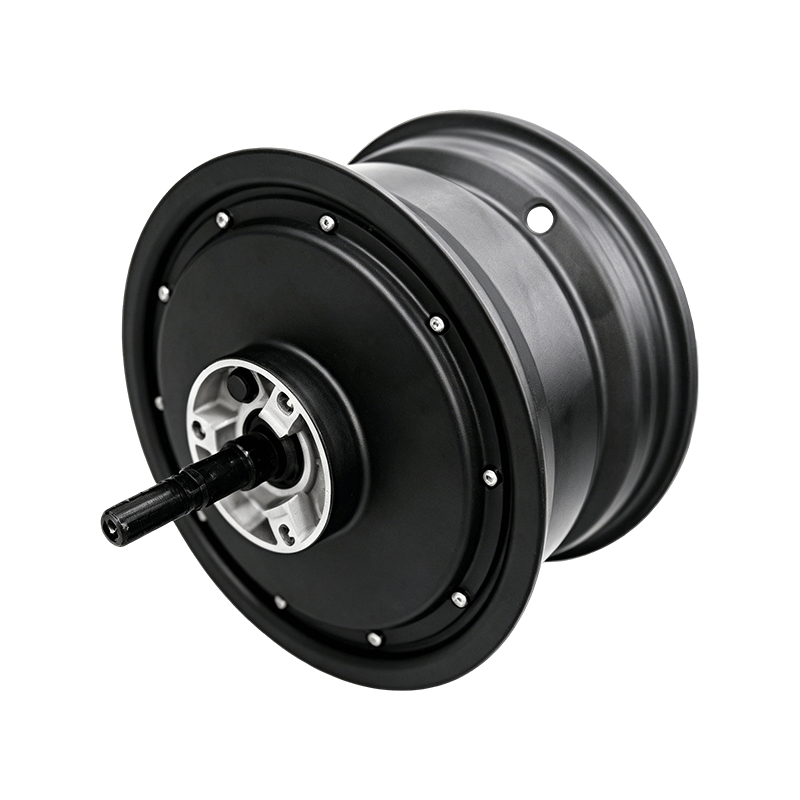
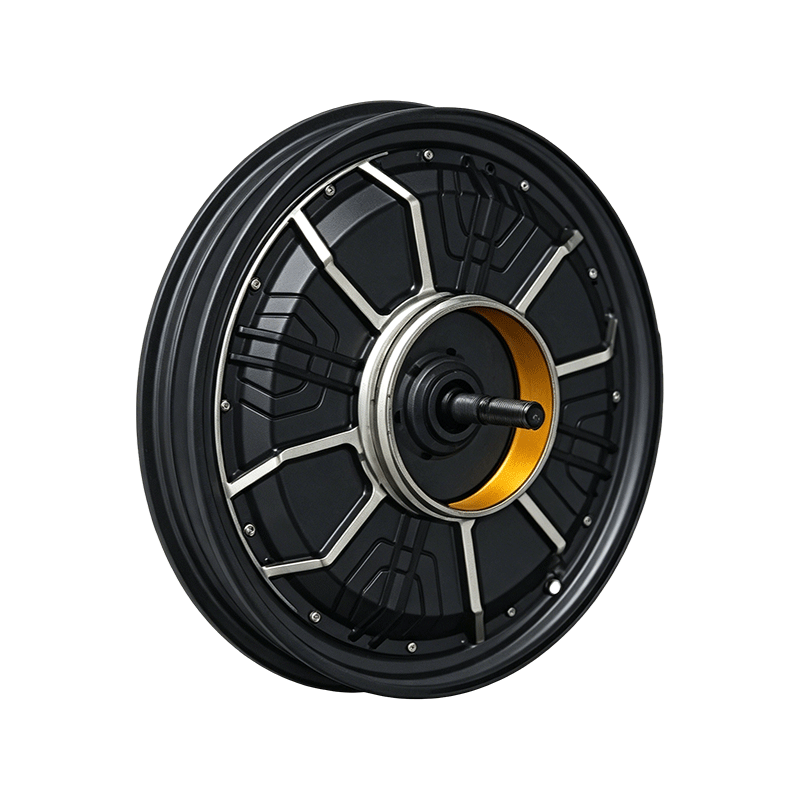
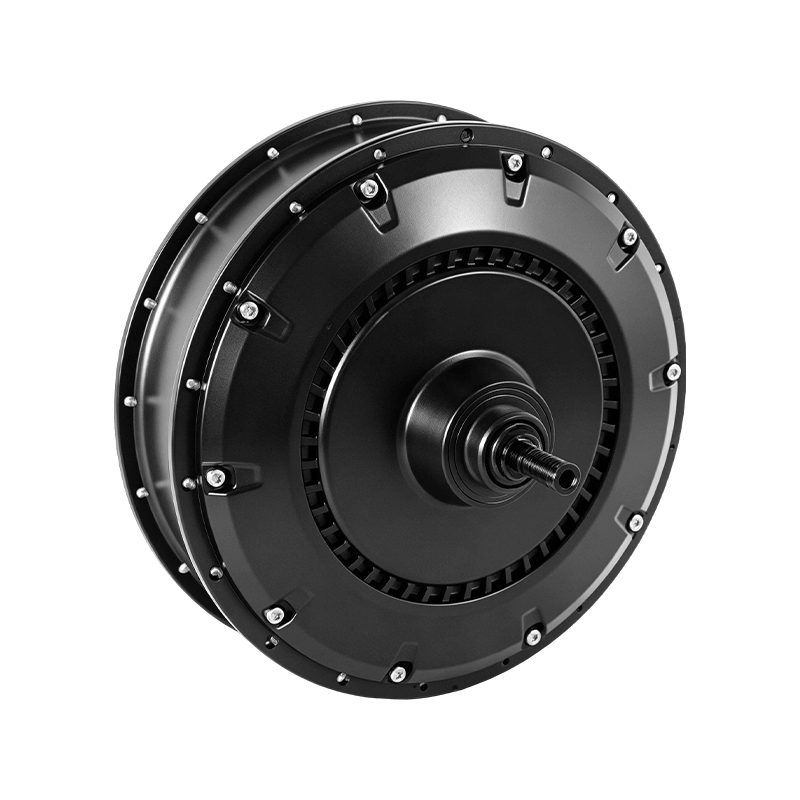
中文简体The global market for the electric two‑wheeler motor is rapidly transitioning from niche commuting devices to mainstream mobility tools as cities look for sustainable, cost‑efficient solutions. In recent years, sales of electric two‑wheeler vehicles—including scooters and lighter motorcycles—have climbed steadily, supported by broader infrastructure expansion and changing consumer behaviors in both developed and developing markets. Industry observers note that electric two‑wheelers are increasingly used not just for daily commuting but also by delivery fleets, urban services, and micro‑enterprise operations. This shift places the motor that powers these vehicles squarely in the spotlight of innovation and investment.
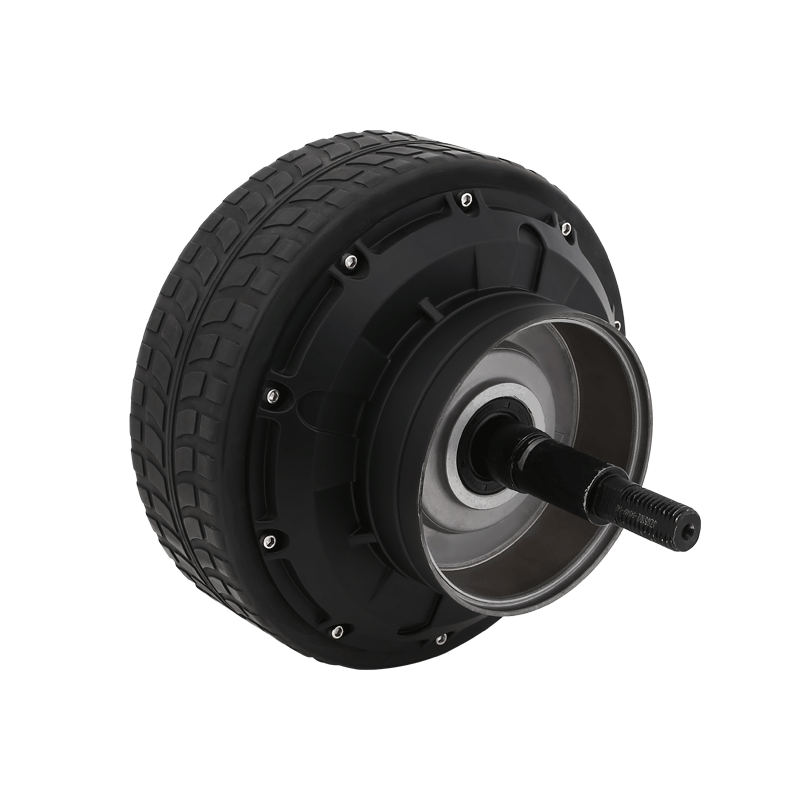
Data from recent industry estimates shows that the electric two‑wheeler powertrain market—comprising motors, batteries, and controllers—was valued at around $105.9 billion in 2024 and is expected to grow further through the next decade. This reflects not only rising consumer interest in emission‑free travel but also policy support from governments targeting reductions in urban air pollution and traffic noise. In many Asian cities, two‑wheel motor vehicles remain a dominant form of personal transport, and electrification is seen as a logical step to reduce reliance on internal combustion engine alternatives. Urban planning departments in Southeast Asia and South Asia have in particular, flagged electric two‑wheelers as key to meeting broader climate goals.
Manufacturers of electric two‑wheeler motors are increasingly pushing the boundaries of performance and design. OEMs are enhancing torque delivery, thermal management, and efficiency to suit a wide range of use cases—from delivery fleets requiring consistent, high‑duty cycle performance to personal scooters where ride smoothness and range are primary considerations. Electrical engineers are also exploring integrated solutions where motor, battery, and control electronics are co‑designed for better packaging and energy use. These advancements are visible in prototype vehicles showcased at recent trade shows, where next‑generation models emphasize compact power units with intelligent control systems that adapt output in real time to traffic conditions.
Urban manufacturers and startups are collaborating to tackle battery range anxiety and charging infrastructure gaps. While charging points for four‑wheel electric vehicles often dominate policy discussions, initiatives are now emerging specifically to support two‑wheel electric mobility. These include temporary fast‑charging hubs at transit centers and shared fleet depots, where vehicles can recharge quickly between shifts. Pilot programs in several Indian and Southeast Asian cities have demonstrated that targeted infrastructure investments can meaningfully increase adoption rates among riders who depend on these vehicles for work.
Consumer sentiment also plays a crucial role in shaping the electric two‑wheeler motor landscape. Riders have increasingly voiced preferences for motors that balance performance and efficiency, rather than simply higher speed. Ride‑sharing platforms that employ electric two‑wheelers are collecting data on duty cycles, which suggests that moderate power output paired with reliable thermal performance results in lower operational costs and less downtime.
Environmental concerns continue to drive policy incentives as well as consumer choices. Cities with chronic smog issues are introducing subsidies for electric two‑wheeler purchases, while others are implementing low‑emission zones that limit access for combustion engine vehicles. In these contexts, the electric two‑wheeler motor is not just a technical component but a strategic enabler of cleaner urban mobility.
As the ecosystem around electric two‑wheelers matures, the motor itself is positioned to be a differentiator in both performance and user experience. Whether for daily commuting or commercial delivery, the adoption curve suggests that electric two‑wheeler motors will remain central to efforts aimed at sustainable and smart mobility solutions around the world.