

 English
 中文简体
中文简体What Is a Hub Motor?
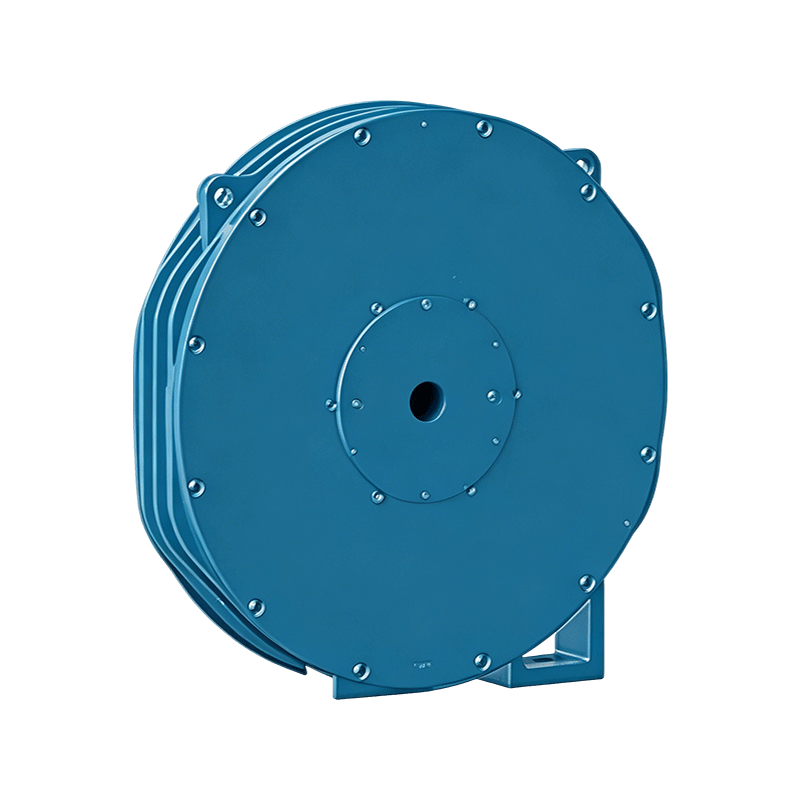
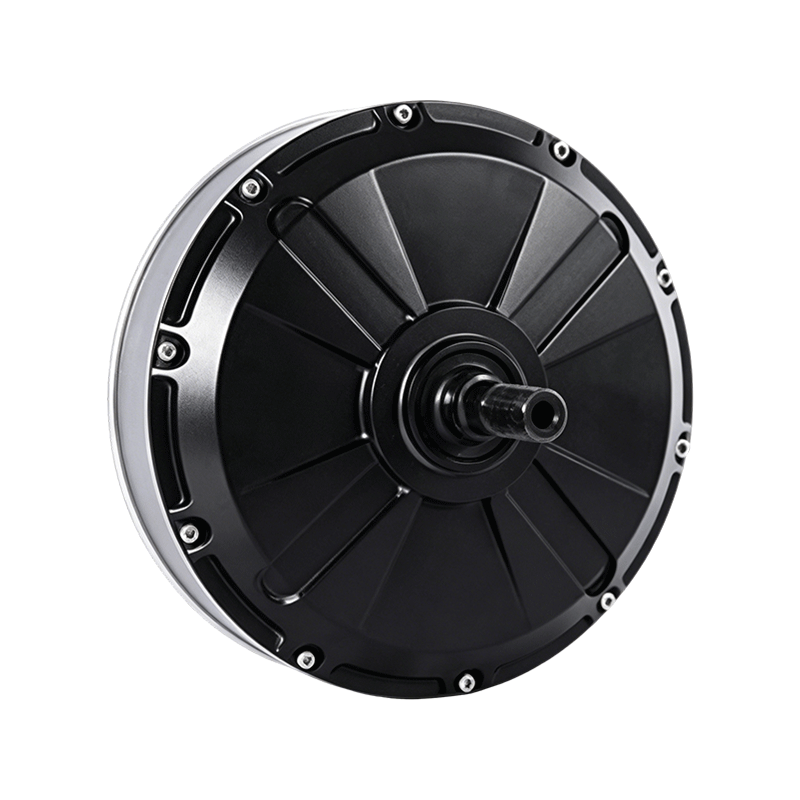
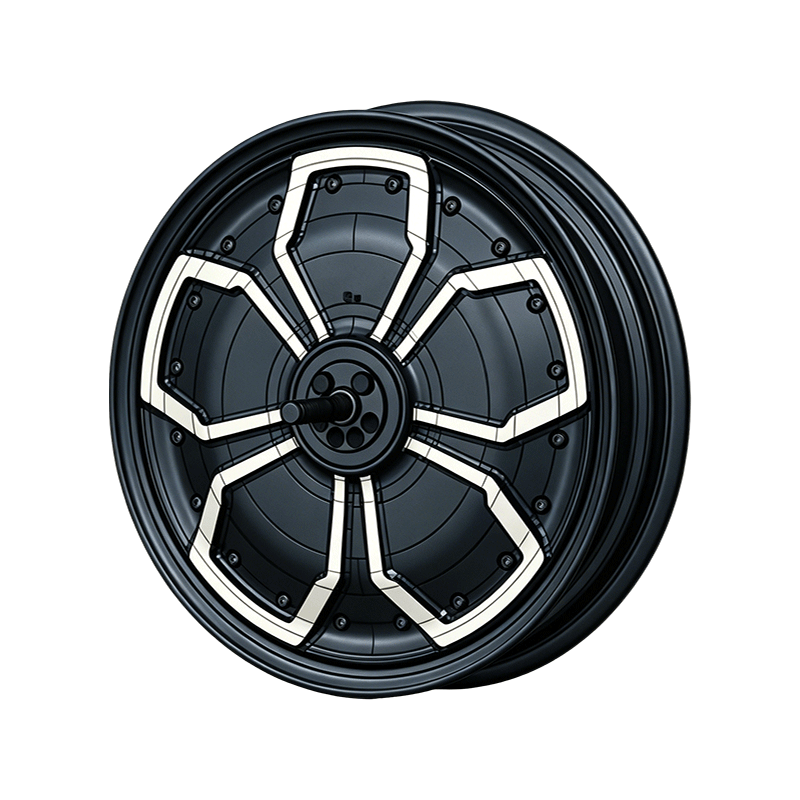
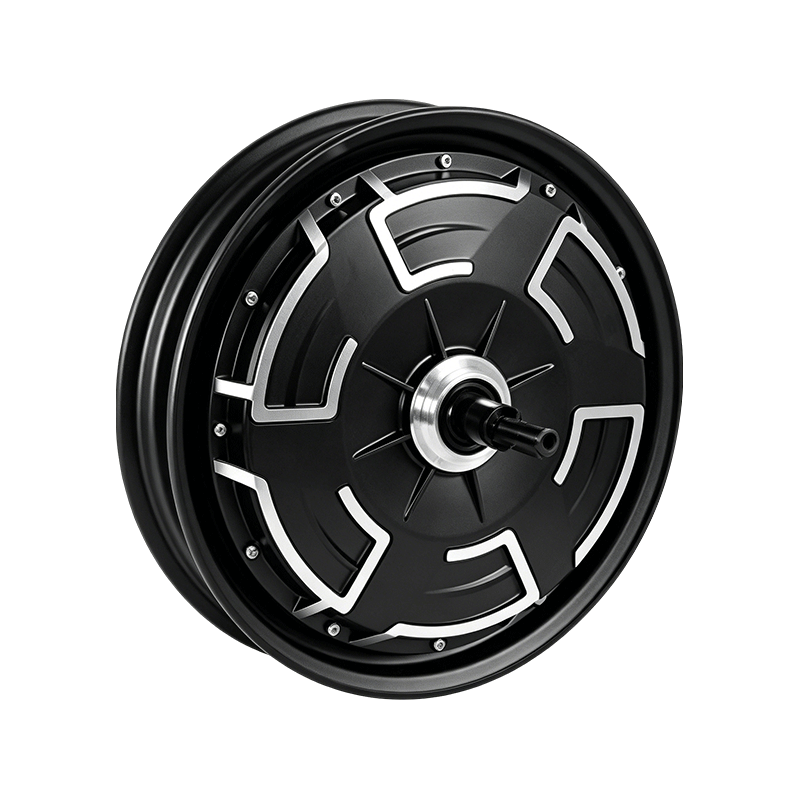
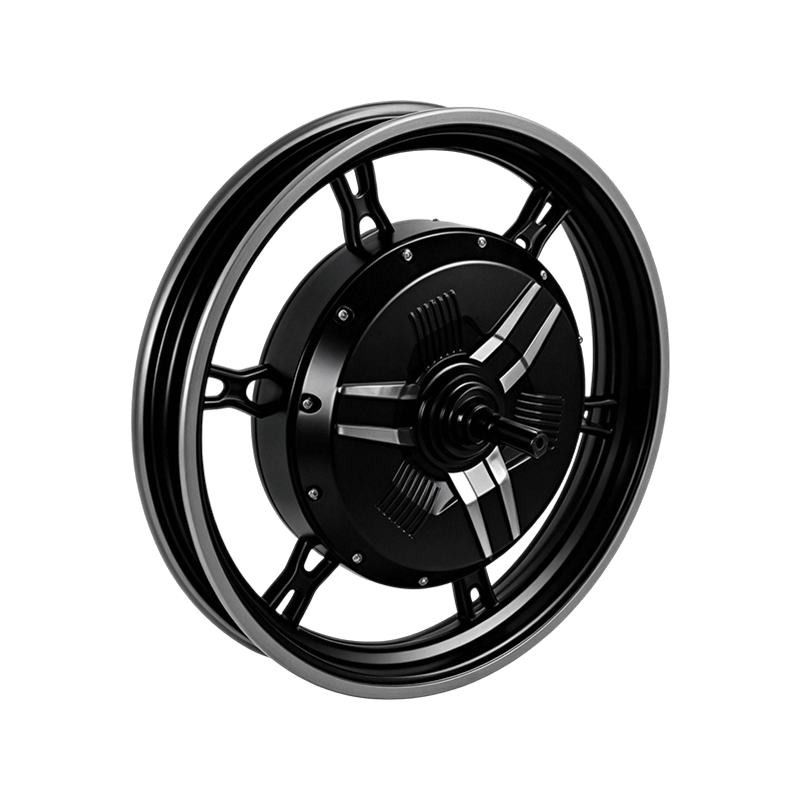
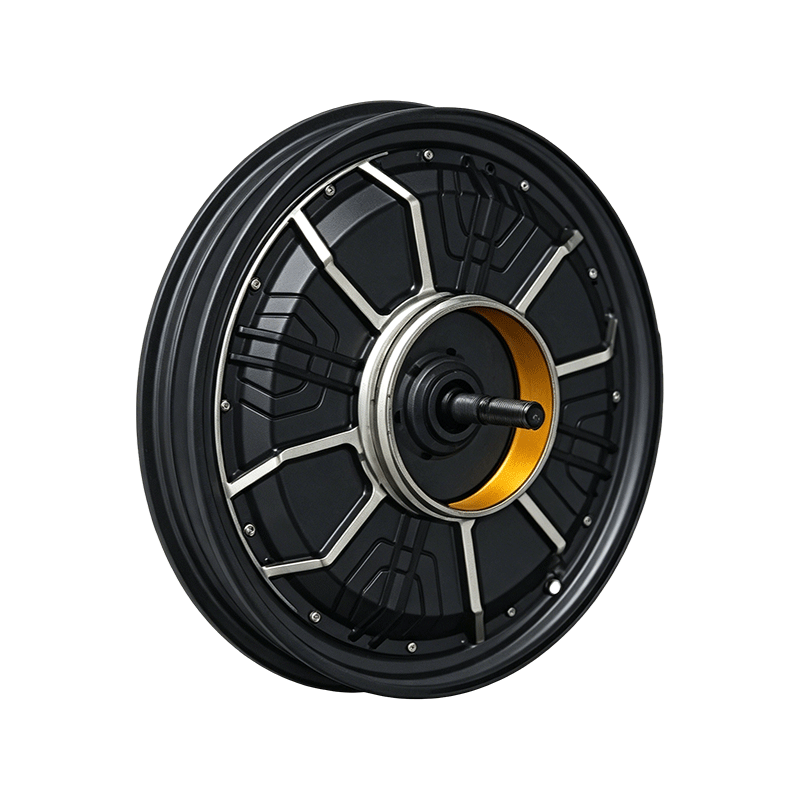
A hub motor is an electric motor built into the center section of a wheel. The motor housing rotates together with the wheel, while stationary components inside the assembly interact with the rotating structure to generate torque.
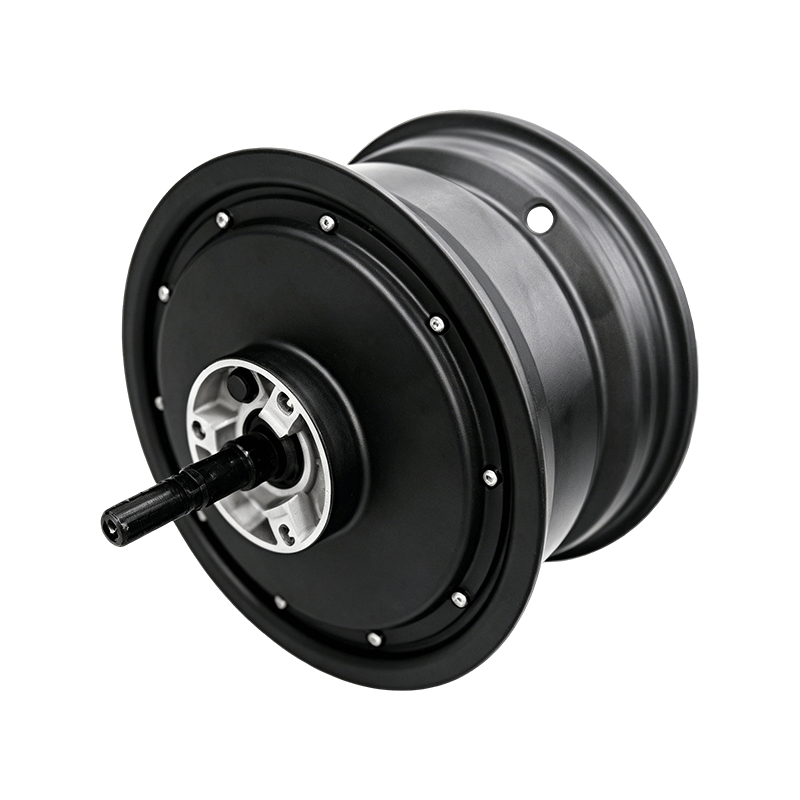
Two common designs are geared and gearless hub motors. A geared version uses an internal reduction gear system to change motor speed and torque characteristics before power reaches the wheel. A gearless design connects the motor's rotating section more directly to the wheel.
Both arrangements use electromagnetic force to produce rotation, but their internal structures are different.
Inside the Motor Housing
A typical hub motor contains several key components, including a stator, rotor, magnets, bearings, axle, housing, and electrical connections.
The stator normally contains copper windings. The rotor carries permanent magnets or another magnetic arrangement. When electrical current passes through the windings, a rotating magnetic field interacts with the magnets and creates rotational movement.
Because these components sit inside the wheel area, the motor housing needs to perform several functions at once. It acts as part of the wheel structure while also enclosing the electrical and mechanical components.
Direct Drive Changes Power Transfer
One interesting feature of a hub motor is the short power path between the motor and the wheel. Conventional electric drive layouts can require separate motors, transmissions, chains, belts, or shafts.
With a direct-drive hub motor, rotational force is generated inside the wheel itself. This can simplify the external drivetrain because there is no separate chain or belt connecting the motor to the wheel.
The arrangement also creates a cleaner mechanical layout. Designers have more freedom to position other components, such as batteries and controllers, around the available frame space.
Geared and Gearless Designs
Geared hub motors use a compact gear mechanism inside the motor housing. The motor can rotate at a higher speed while the gears reduce that speed before transferring torque to the wheel.
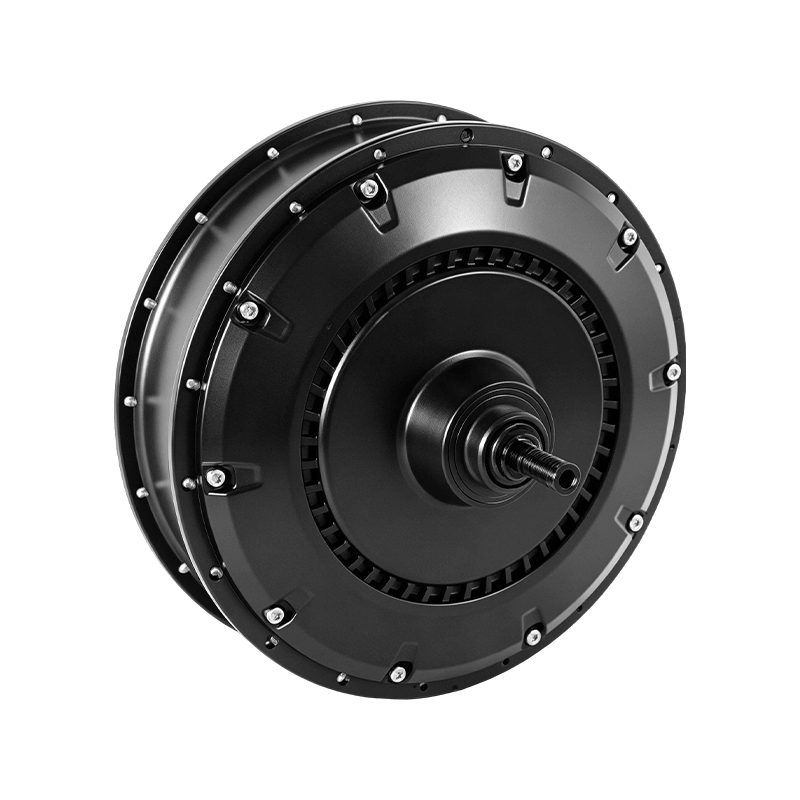
Gearless systems remove this internal gear stage. Their larger diameter can help generate torque directly through electromagnetic interaction between the stator and rotor.
The choice between the two designs depends on the vehicle's weight, wheel size, desired acceleration characteristics, operating conditions, and packaging requirements.
Manufacturing Requires Precise Assembly
Producing a hub motor involves several manufacturing processes. Metal housings need to be formed and machined, stator laminations need to be assembled, copper windings need to be positioned accurately, and permanent magnets need to be arranged around the rotor.
Bearing installation is another important production step because the rotating components must remain correctly aligned with the stationary axle.
Electrical connections also need to pass from the motor to the controller. Depending on the design, cables may exit through the axle or another protected section of the housing.
Wheel Size Influences Motor Design
Wheel diameter has a direct relationship with hub motor design. A larger wheel provides more space around the central motor assembly, while a smaller wheel places tighter limits on component dimensions.
The available space affects magnet size, winding arrangement, housing dimensions, and bearing selection. Manufacturers therefore cannot simply scale one motor design to every wheel size.
This is one reason hub motors are produced in different diameters and power configurations for bicycles, scooters, utility vehicles, and other electric platforms.
Hub Motors Change Vehicle Packaging
The integration of motor and wheel creates a different approach to vehicle architecture. Since the drive unit occupies the wheel center, manufacturers can reduce the need for a separate motor compartment.
This can free up frame space for batteries, cargo areas, suspension components, or other equipment. In compact vehicles, where every part of the frame has a specific purpose, this packaging difference can be significant.
At the same time, the hub motor becomes part of the wheel assembly, so designers need to consider the combined mechanical and electrical structure during product development.