

 English
 中文简体
中文简体An electric motorcycle can look familiar from the outside, but its riding characteristics depend heavily on what happens inside the motor and its control system. Acceleration, climbing ability, noise, and power delivery are all connected to how an electric motorcycle motor converts electrical energy into mechanical motion. As electric two-wheelers become available in different sizes and configurations, understanding this component helps explain why two motorcycles with similar appearances can feel quite different on the road.
How Does an Electric Motorcycle Motor Work?
An electric motorcycle motor converts electrical energy from a battery into rotational force. This force drives the wheel either directly or through a transmission, depending on the motorcycle's design.
When the rider turns the throttle, a controller interprets the input and regulates the electrical power supplied to the motor. The motor then produces torque, allowing the motorcycle to accelerate. Releasing the throttle changes the power demand, while applying the brakes activates the braking system.
Unlike a conventional gasoline engine, an electric motor does not need combustion to generate movement. Its response depends on the motor's electrical design, controller settings, available battery power, and operating conditions.
Hub Motors and Mid-Drive Motors Serve Different Needs
Electric motorcycle motor configurations generally include hub motors and mid-drive motors. Each arrangement changes how power reaches the road and how the motorcycle is packaged.
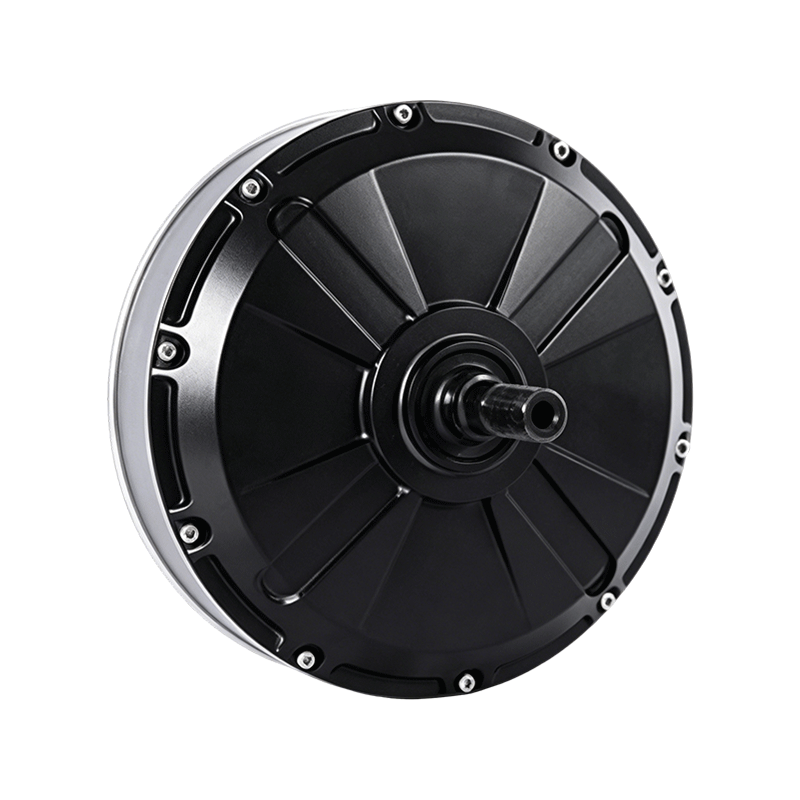
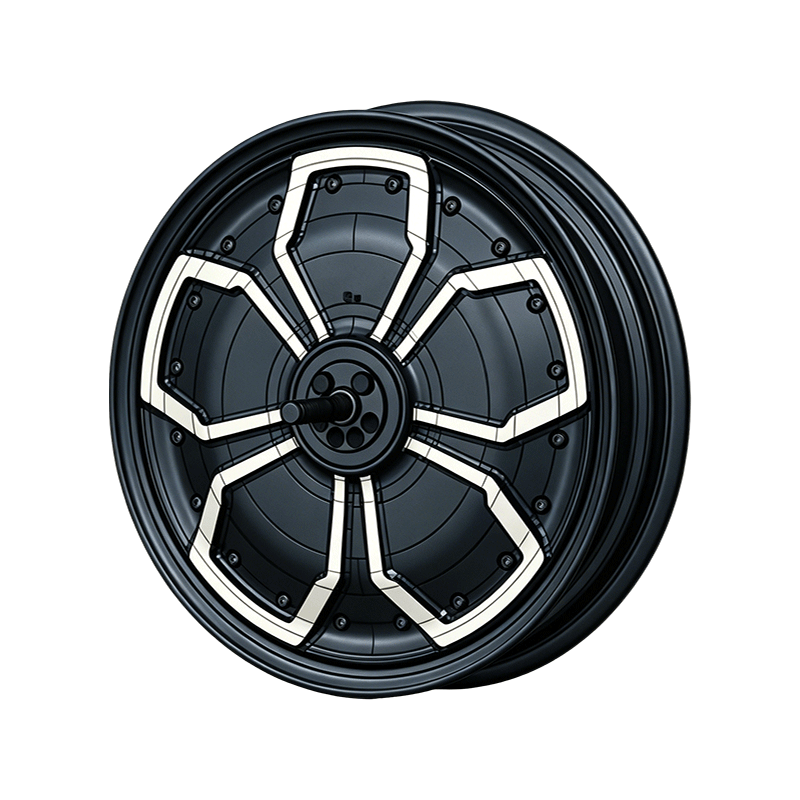
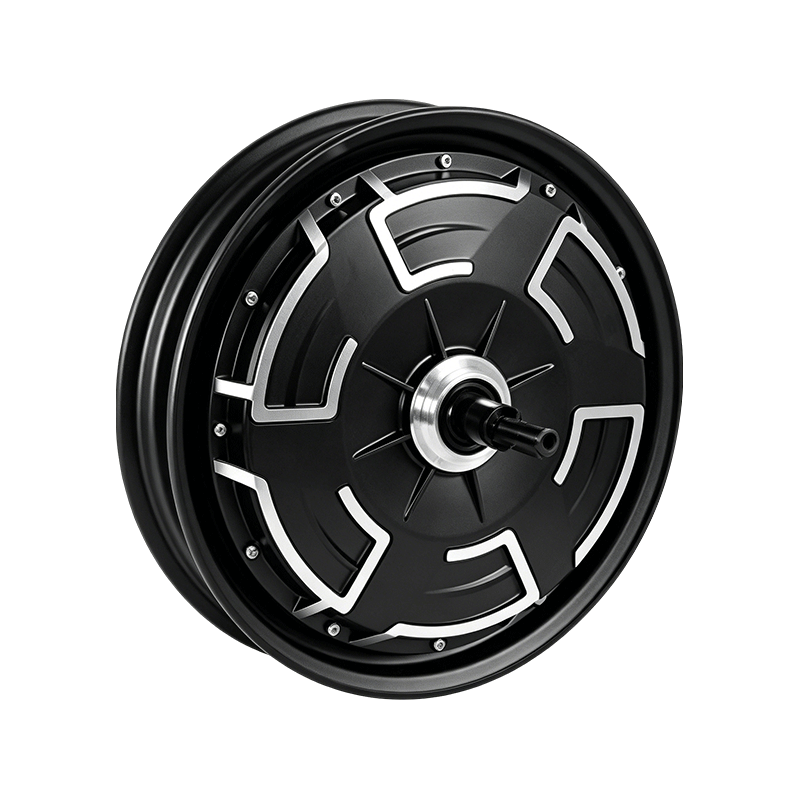
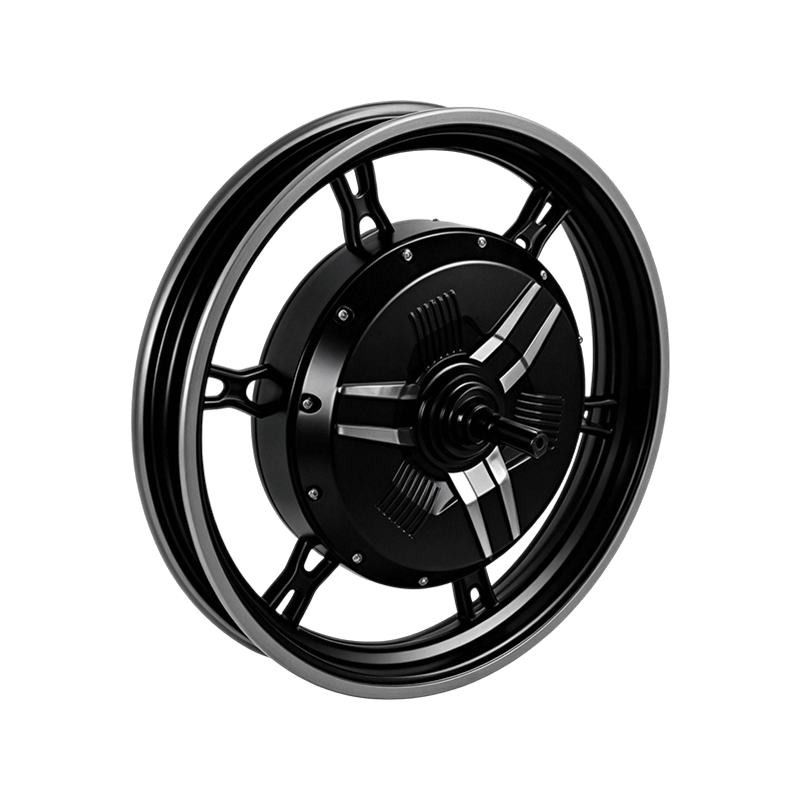
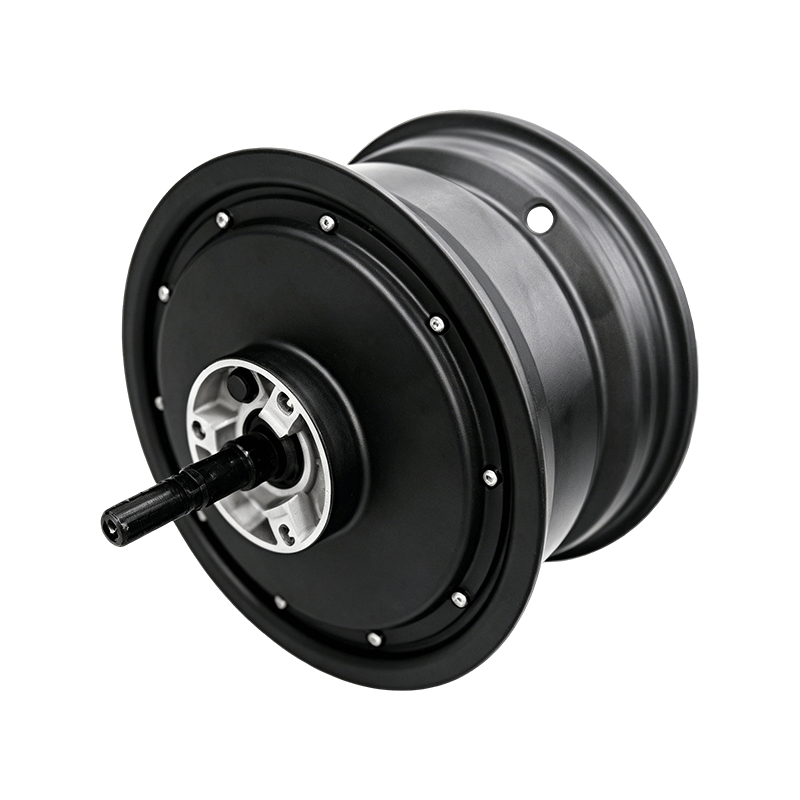
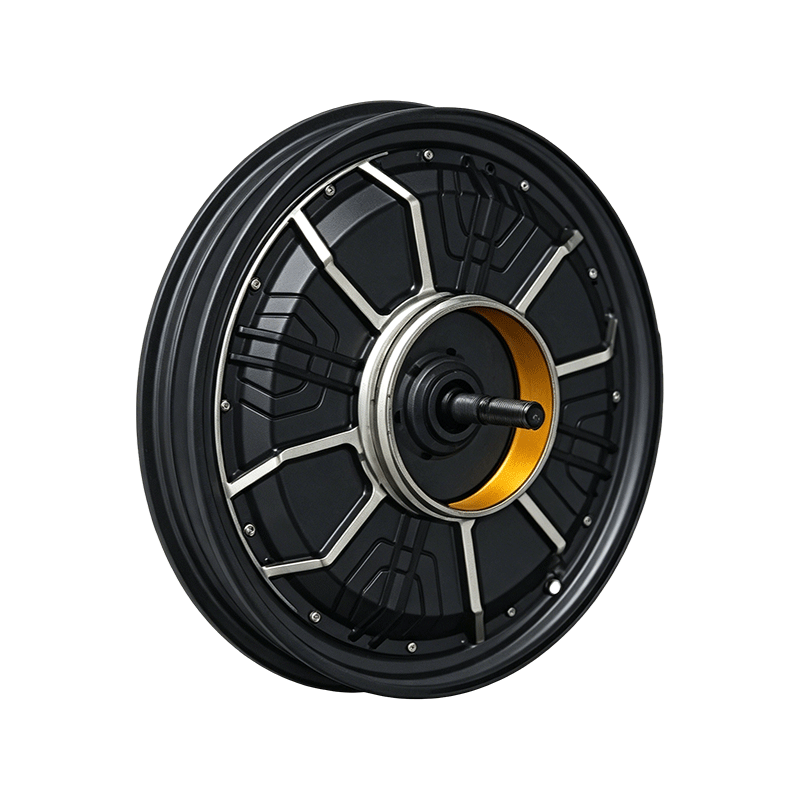
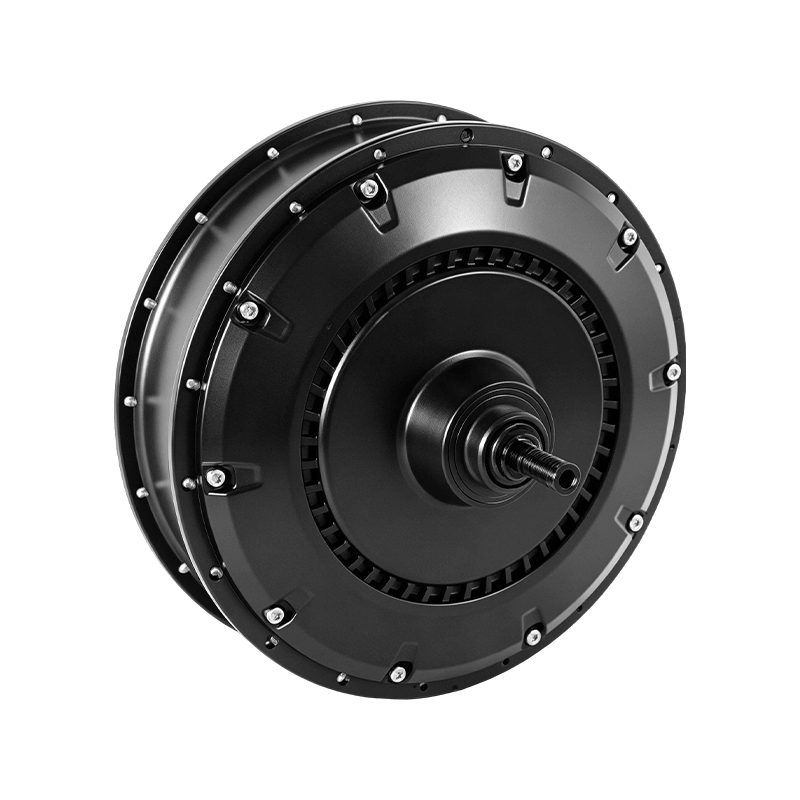
A hub motor sits inside or near the wheel hub. This arrangement reduces the need for a separate chain or belt drive between the motor and the driven wheel. Its relatively straightforward layout can suit compact electric motorcycles and urban commuting models.
A mid-drive motor is mounted closer to the center of the motorcycle. It can transmit power through a chain, belt, or gearbox, depending on the design. This layout allows engineers to manage weight distribution and use gearing to match different riding conditions.
Neither configuration suits every motorcycle. Vehicle weight, wheel size, intended speed range, available space, and production requirements all influence the choice.
Why Does Torque Matter During Acceleration?
Torque describes the rotational force produced by an electric motorcycle motor. It plays an important role when a motorcycle starts moving, accelerates from low speeds, or climbs a hill.
Electric motors can deliver useful torque at low rotational speeds, which helps explain their responsive acceleration. However, the riding experience does not depend on torque figures alone. Gear ratios, motor speed, controller programming, tire grip, and total vehicle weight also affect how that force reaches the road.
Manufacturers therefore need to consider the relationship between torque and rotational speed when selecting a motor. A setup designed for quick urban acceleration may differ from one intended for sustained higher-speed travel.
What Determines Motor Power and Efficiency?
Motor power indicates how quickly the system can convert electrical energy into mechanical output. It is commonly expressed in watts or kilowatts. Torque and power are related, but they describe different aspects of motor performance.
A motor may provide strong torque at low speeds without maintaining the same torque as rotational speed increases. Power output changes with both torque and motor speed, so a single rating cannot describe every operating condition.
Efficiency also matters because some electrical energy becomes heat rather than useful mechanical output. Motor design, winding resistance, magnetic materials, cooling arrangements, and controller operation can all influence energy conversion.
For an electric motorcycle motor, engineers must balance output, physical dimensions, operating temperature, and energy consumption to meet the intended vehicle requirements.