

 English
 中文简体
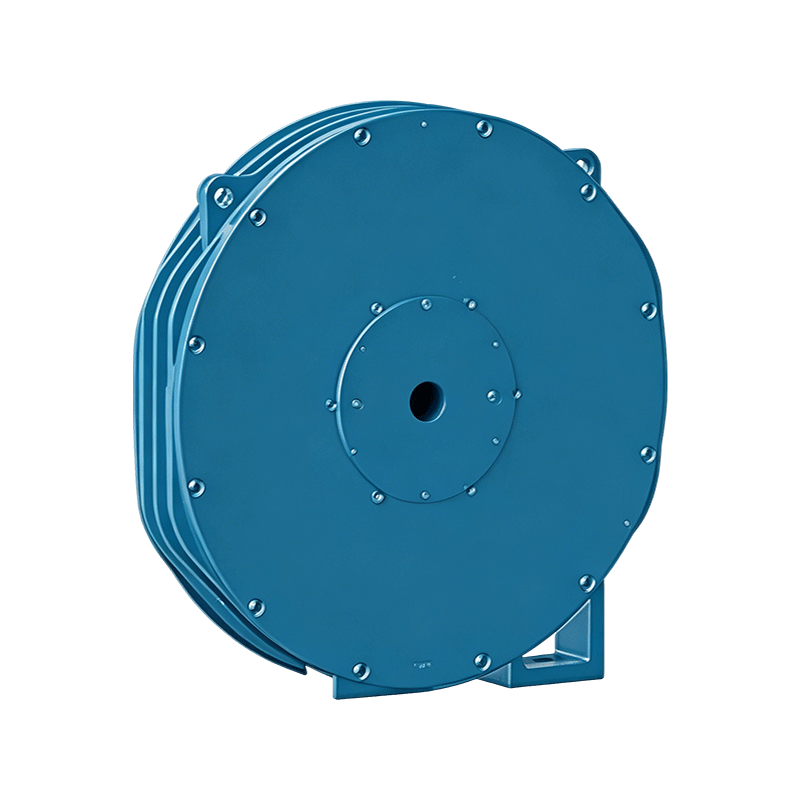
中文简体Pop open the wheel hub or the frame of an electric moped, and the motor sitting inside tells you almost everything about how that bike will actually ride. Some units pull hard off the line and settle into a steady cruise, others feel gentler but sip less power over a long commute. None of that comes down to luck — it comes down to how the electric moped motor is built and matched to the rest of the drivetrain.
Hub Motors vs Mid-Drive Motors
Two layouts dominate the electric moped motor category, and each handles power delivery differently.
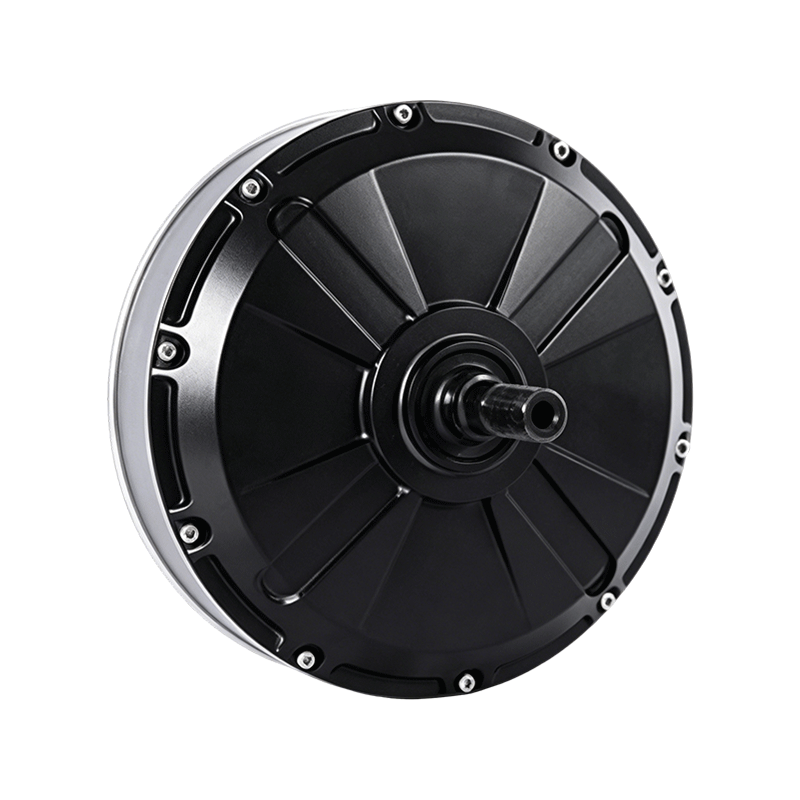
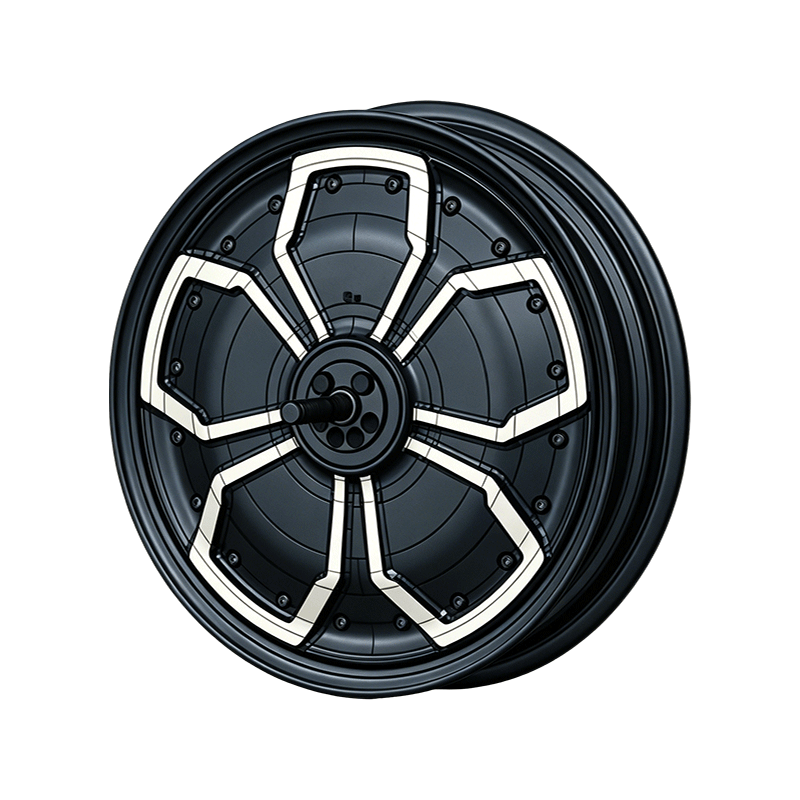
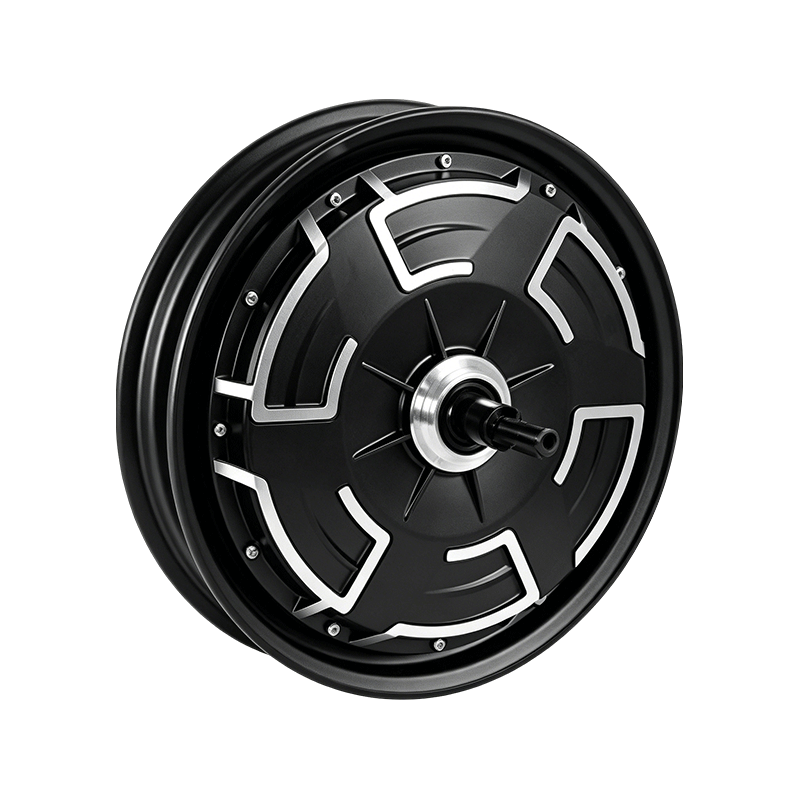
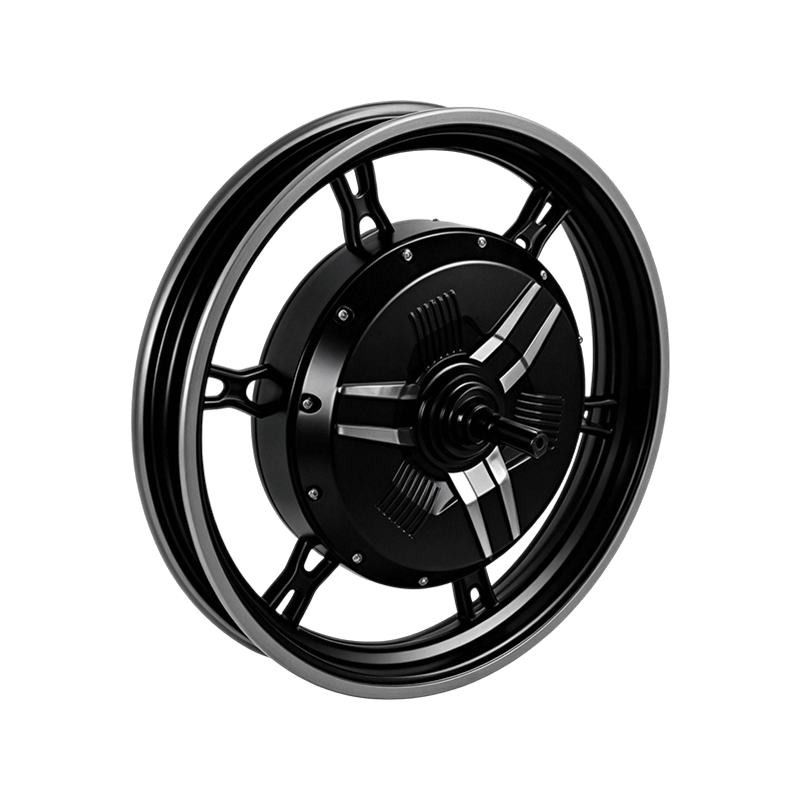
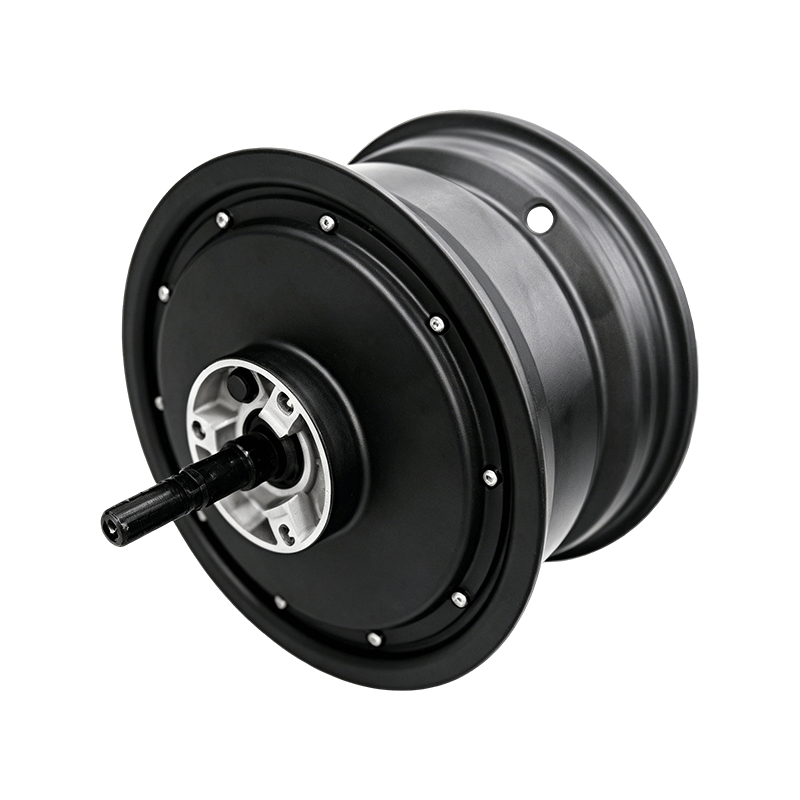
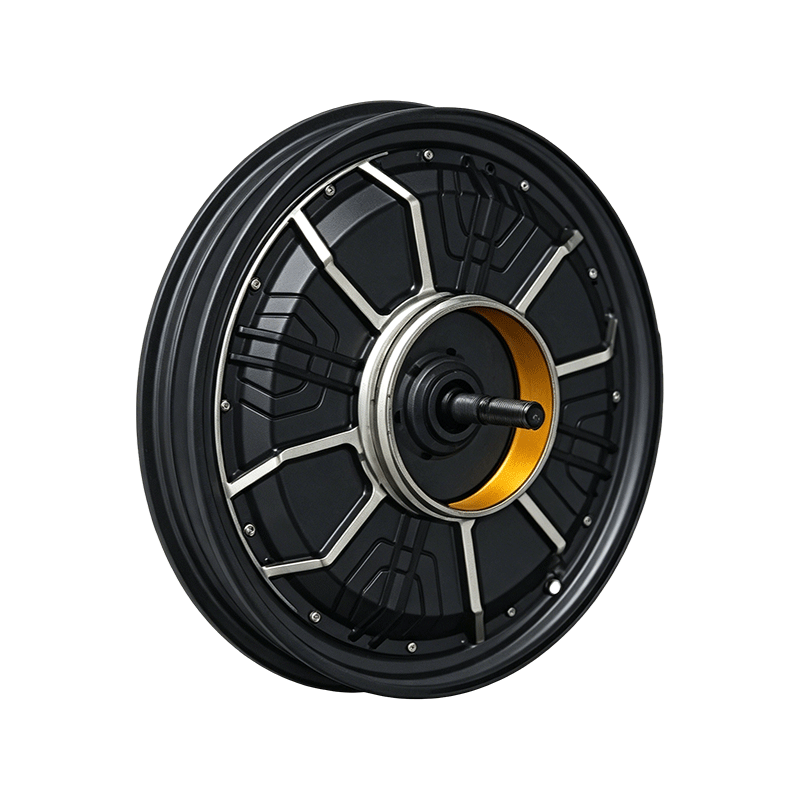
Hub motors sit directly inside the wheel, spinning it without a chain or belt in between. Fewer moving parts mean less to adjust, and the setup keeps the frame simpler.
Mid-drive motors mount near the pedals or crank area, sending power through the existing chain or belt system. This layout can make climbing hills feel smoother since the motor works alongside the gearing rather than bypassing it.
Neither layout is universally better for every rider — a hub-based electric moped motor suits flat commuting routes well, while mid-drive setups tend to handle varied terrain with a bit more flexibility.
Wattage and Power Output
Power ratings on an electric moped motor typically range from around 250 watts up to 3000 watts or more, depending on the intended use. Lower-wattage motors keep weight down and suit lighter riders or shorter trips. Higher-wattage motors handle steeper inclines and carry more cargo weight without straining, though they draw more current from the battery pack in the process. Buyers sourcing motors for a specific moped model usually start by matching wattage to the bike's frame rating and intended payload rather than picking a number in isolation.
Controller and Motor Pairing
The controller acts as the translator between the battery, the throttle, and the electric moped motor itself, regulating how much current flows at any given moment. A controller rated below the motor's power ceiling will bottleneck performance no matter how capable the motor is on paper. Sine-wave controllers tend to produce smoother, quieter operation compared to square-wave types, which can make a noticeable difference in how refined the ride feels at low speeds.
Cooling and Housing Considerations
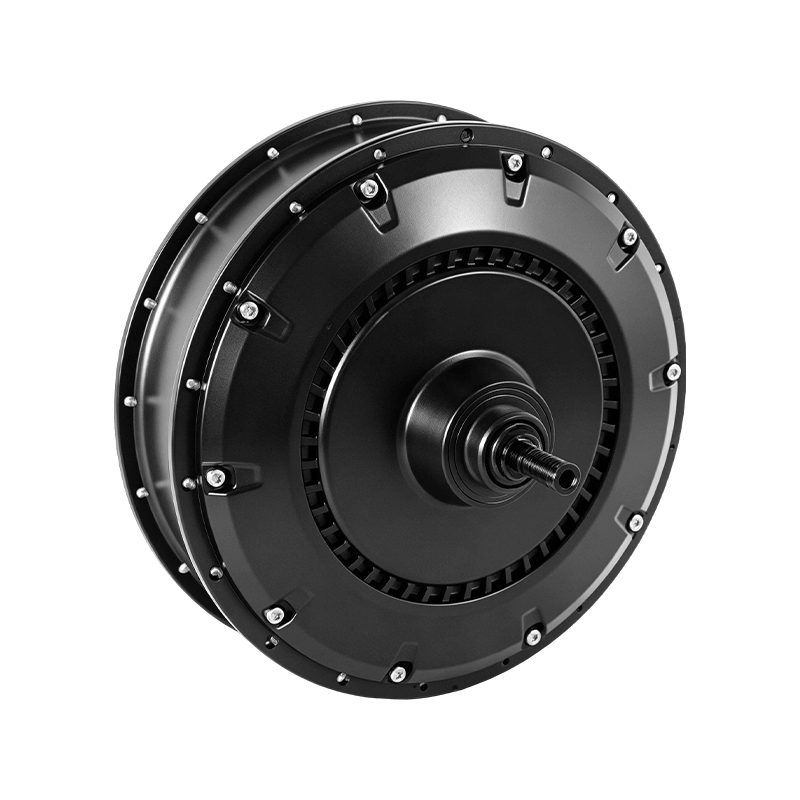
Heat buildup inside an electric moped motor affects how consistently it performs over a ride. Air-cooled designs rely on housing fins and airflow generated by wheel rotation, which works fine for moderate use. Motors pushed harder, especially in hilly terrain or with heavier riders, sometimes incorporate additional venting or a slightly larger housing to dissipate heat more evenly. Sealed housings also matter for keeping dust and moisture away from internal windings, particularly on mopeds ridden in mixed weather conditions throughout the year.
Matching Motor Specs to Moped Frames
Not every electric moped motor bolts directly onto every frame. Axle width, dropout spacing, and mounting bracket design all need to line up before a motor swap or a new build moves forward. Buyers working with OEM frame specifications typically request dimensional drawings from the motor supplier early in the sourcing process, since a mismatch here tends to cause more delay than any other single component decision.