

 English
 中文简体
中文简体From Raw Parts to Motor Cores
The day begins with the arrival of magnets, copper wire, steel laminations, and axle assemblies. These items head to stations where the motor cores are built. Technicians wind the copper coils with controlled tension so the finished stator delivers smooth power. Magnets are placed into the rotor shells according to clear patterns that maintain balance once the unit spins.
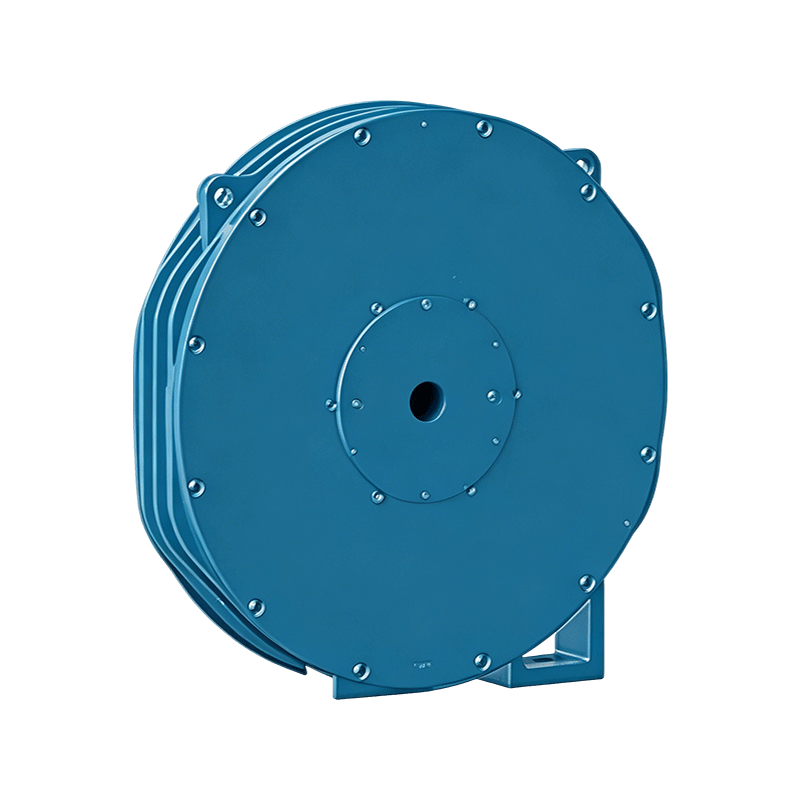
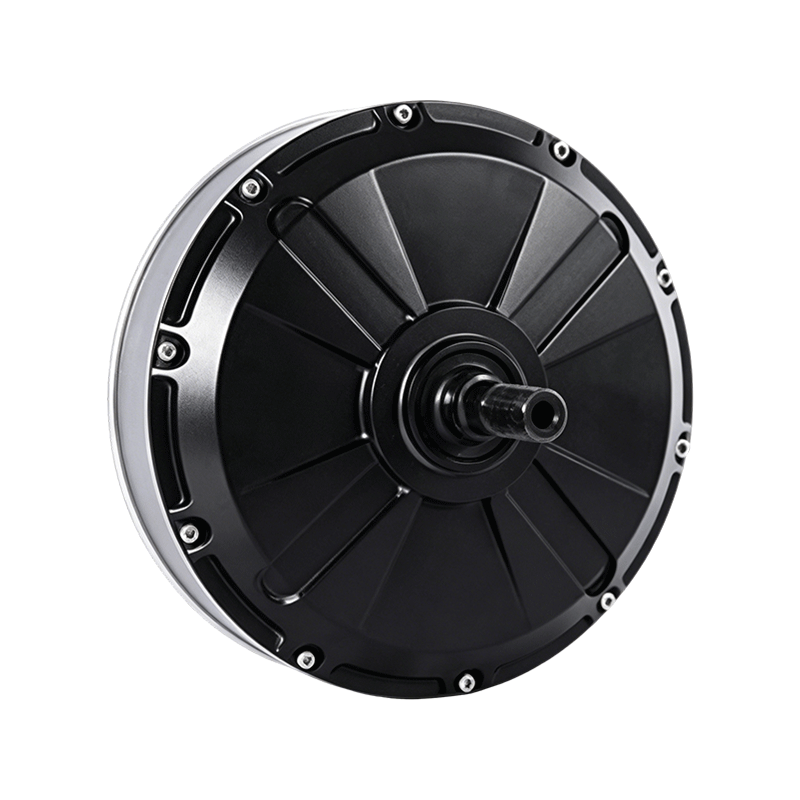
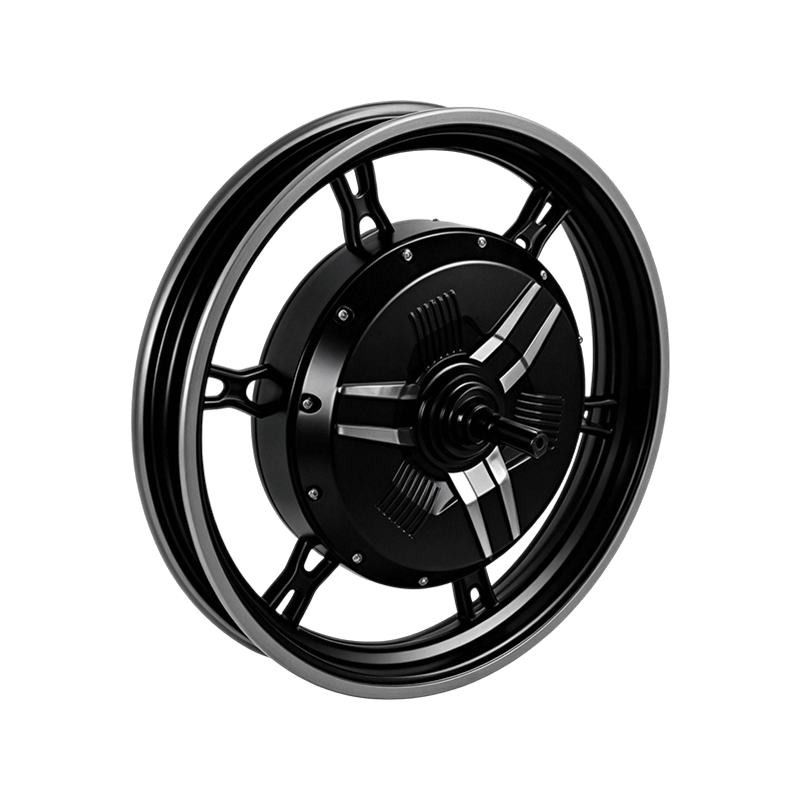
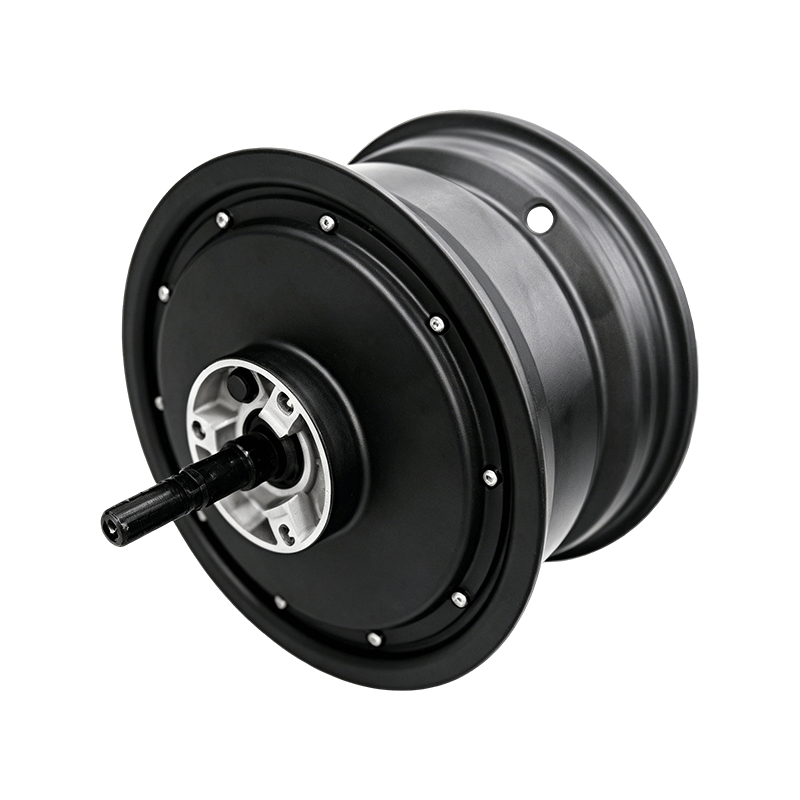
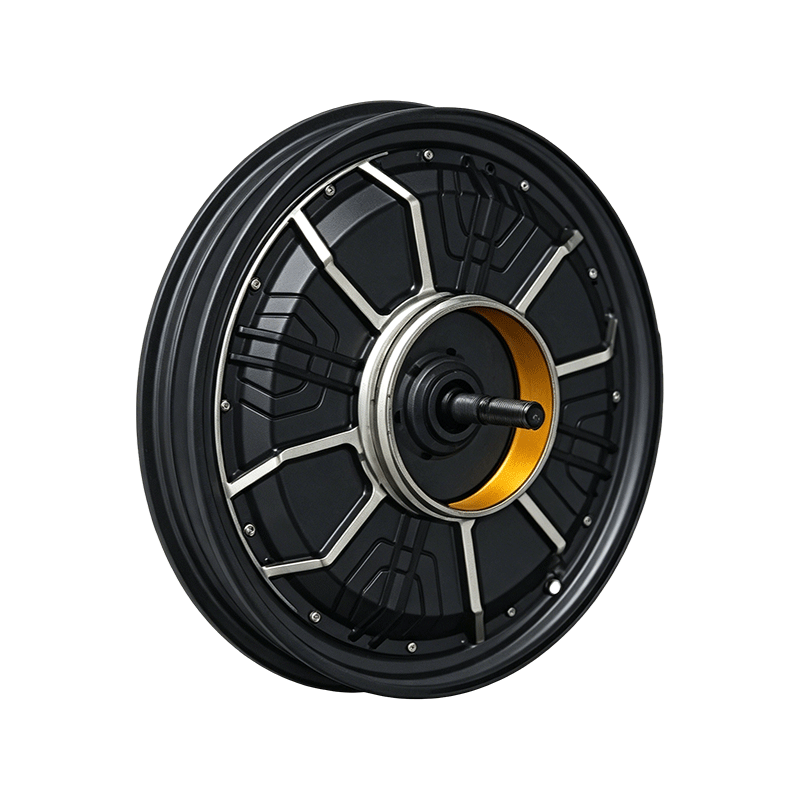
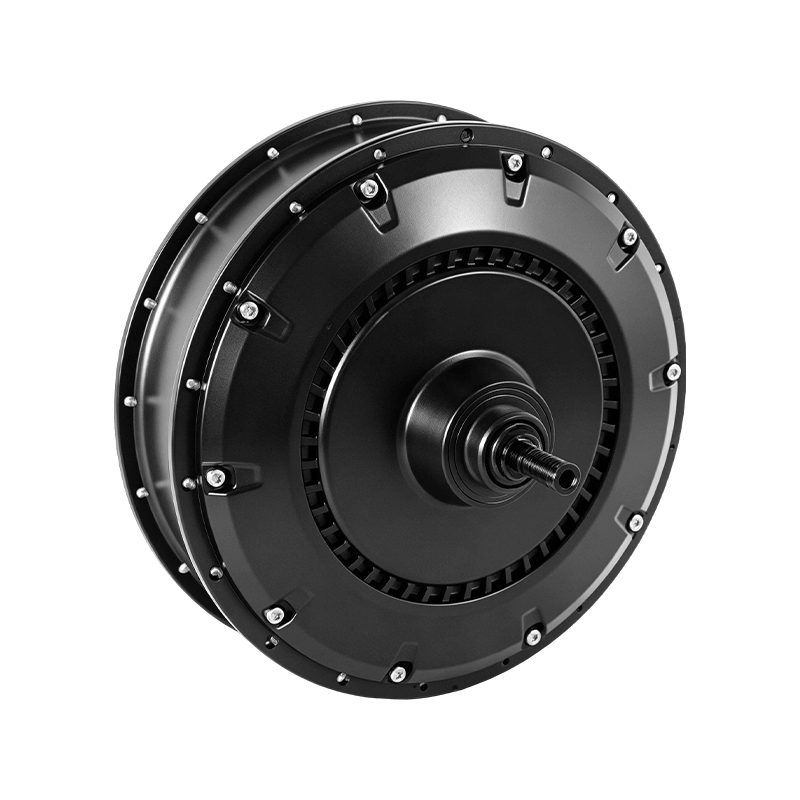
A Hub motor kits factory relies on both automated winding equipment and manual checks at this stage. The combination helps catch small alignment issues early. Once the core is complete, it moves forward for housing installation. The outer shell protects the internal pieces while providing mounting points that match common wheel sizes.
Building the Supporting Components
Controllers, brake sensors, throttle grips, and wiring harnesses take shape in nearby sections. Circuit boards receive their components through precise placement machines, followed by soldering that locks each connection. Cables are measured, cut, and fitted with connectors that snap securely into place.
In one corner of the Hub motor kits factory, staff test each controller for basic response before it joins a kit. This step confirms that power delivery and cutoff functions operate as intended. The variety of kit configurations means some packages include torque sensors while others focus on simpler throttle systems. Flexibility in assembly allows the facility to match different rider preferences without slowing the overall flow.
Final Kit Assembly and Packaging
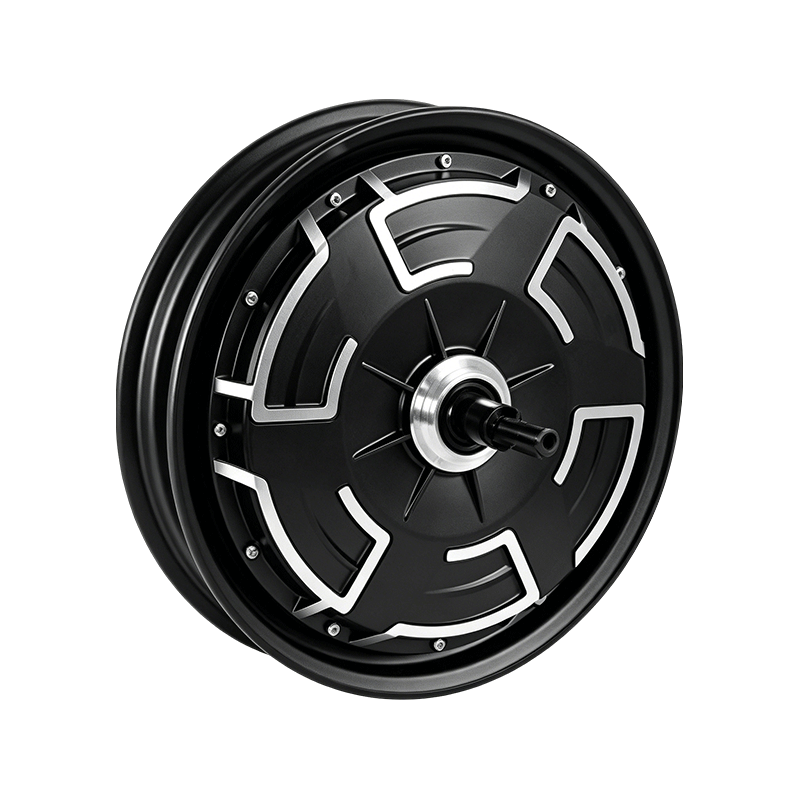
When all pieces are ready, assembly teams bring them together. A complete set typically contains the hub motor, a matching controller, necessary cables, a throttle, and mounting hardware. Workers follow illustrated guides that show the correct orientation for each item. Torque settings on fasteners stay within specified ranges so nothing loosens during later transport.
At the Hub motor kits factory this stage often includes a quick spin test on a simple stand. The motor turns under light load, confirming quiet operation and proper direction. Once approved, the components settle into foam-lined boxes or sturdy cartons designed to protect against bumps. Labels identify the voltage, wheel size, and included accessories so customers can select the right package at a glance.
Daily Rhythm on the Floor
Shifts begin with brief team meetings that review the day’s targets and any adjustments needed for specific orders. Material carts roll between stations, keeping supplies within easy reach. The layout of the Hub motor kits factory places related processes close together, reducing unnecessary walking and keeping momentum steady.
Lighting remains bright over work surfaces, and clear walkways allow supervisors to move freely when questions arise. Many employees rotate between tasks across the week, which builds broader familiarity with the full production sequence. This approach supports smoother handoffs when one station finishes its portion and passes the work along.
Matching Kits to Different Uses
Some kits suit city commuters who want modest power for flat routes. Others provide stronger output for riders tackling hills or carrying cargo. The Hub motor kits factory organizes inventory so that popular combinations stay readily available while custom requests move through a separate path. Clear documentation travels with every shipment, outlining basic connection steps and compatibility notes.
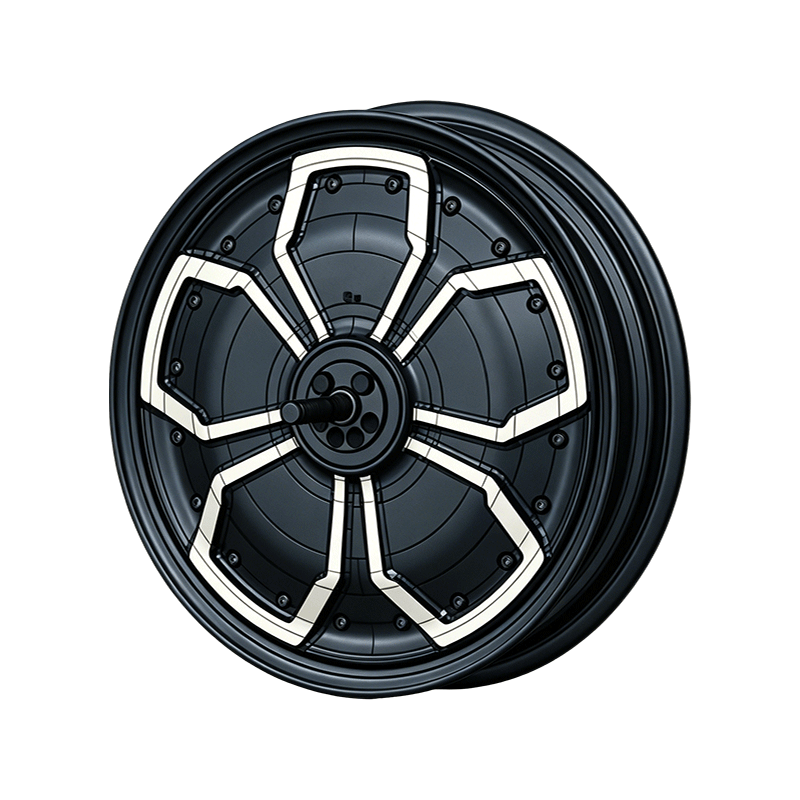
Visitors walking the floor often notice the variety of wheel diameters and axle styles lined up for different bicycle and scooter frames. Each variation requires its own set of brackets and spacers, and the team keeps these details organized to avoid mix-ups.