

 English
 中文简体
中文简体Demand Patterns Are Shifting Buyer Priorities
Procurement teams working with electric bike motors manufacturers have started weighing a wider set of variables than they did a few years back. Torque figures and wattage ratings still matter, but so does compatibility with existing controller systems, availability of technical documentation in multiple languages, and how quickly a supplier can turn around sample batches. A buyer sourcing for a commuter e-bike line has different priorities than one building cargo bikes meant to carry heavy loads through city streets.
Some of the recurring points that come up in early conversations between buyers and electric bike motors manufacturers include:
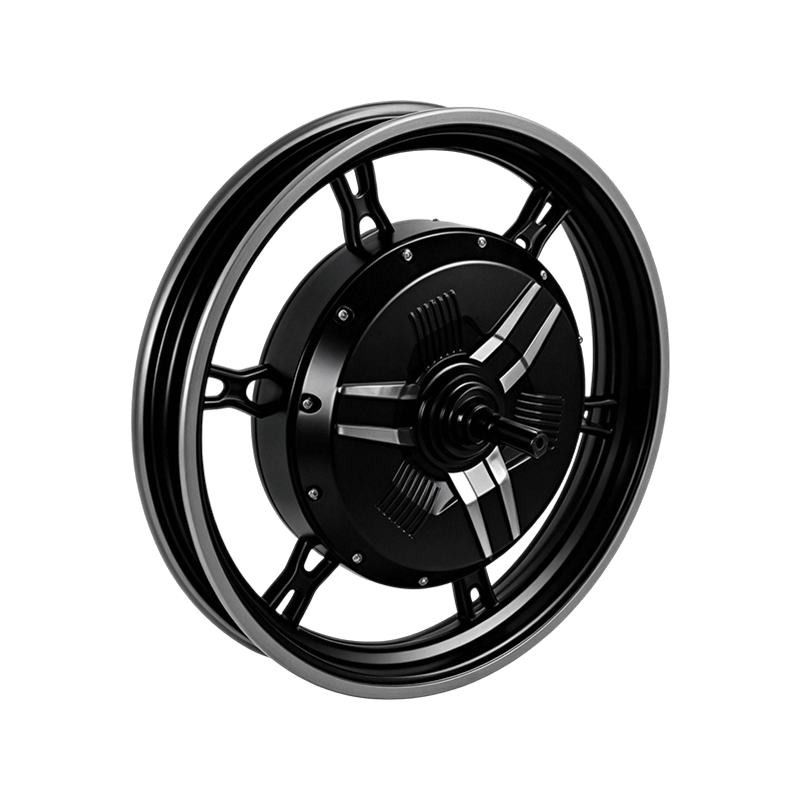
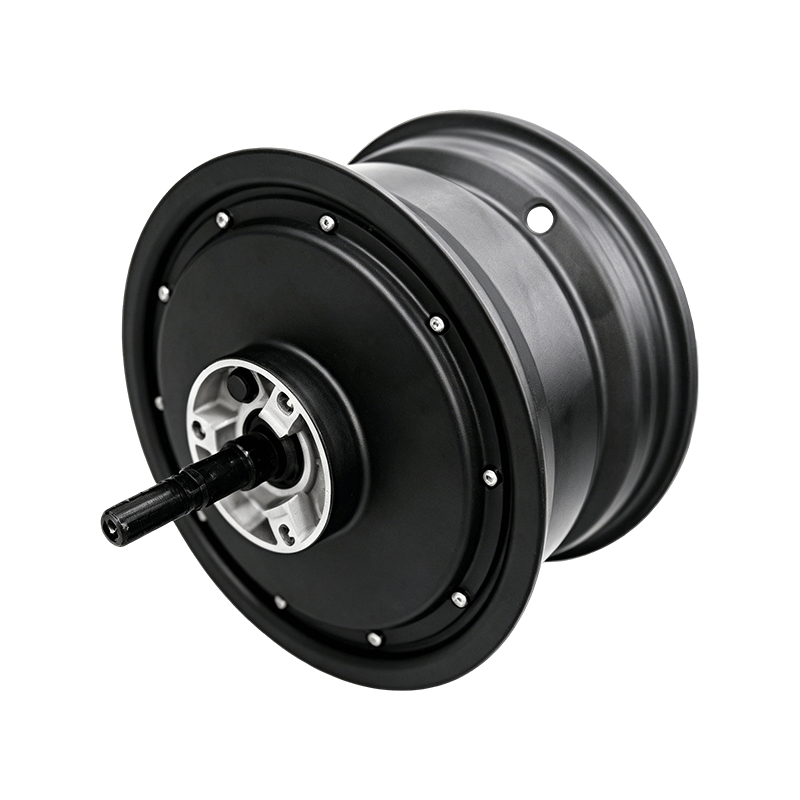
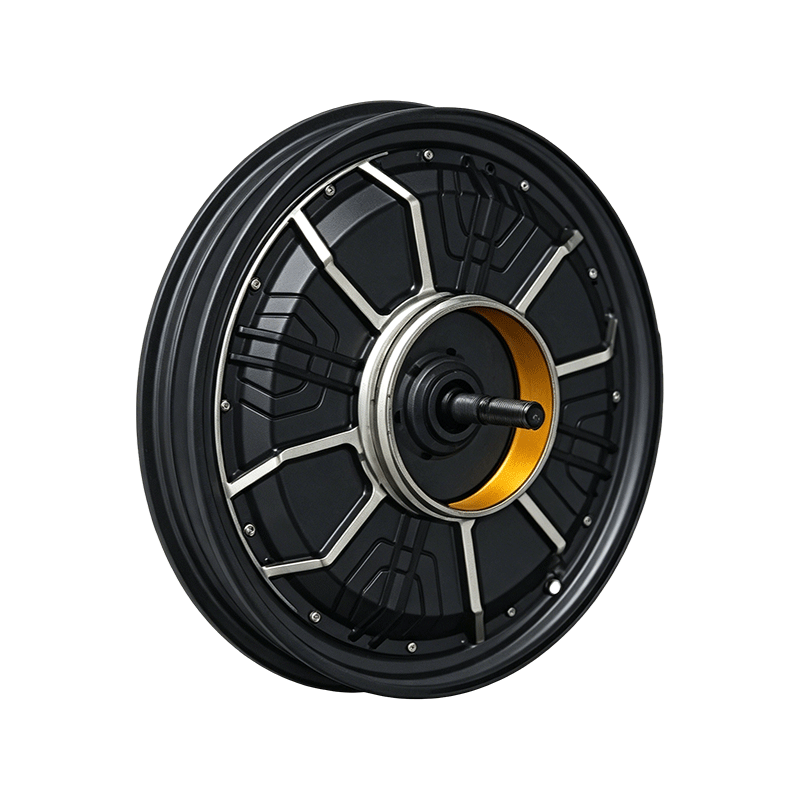
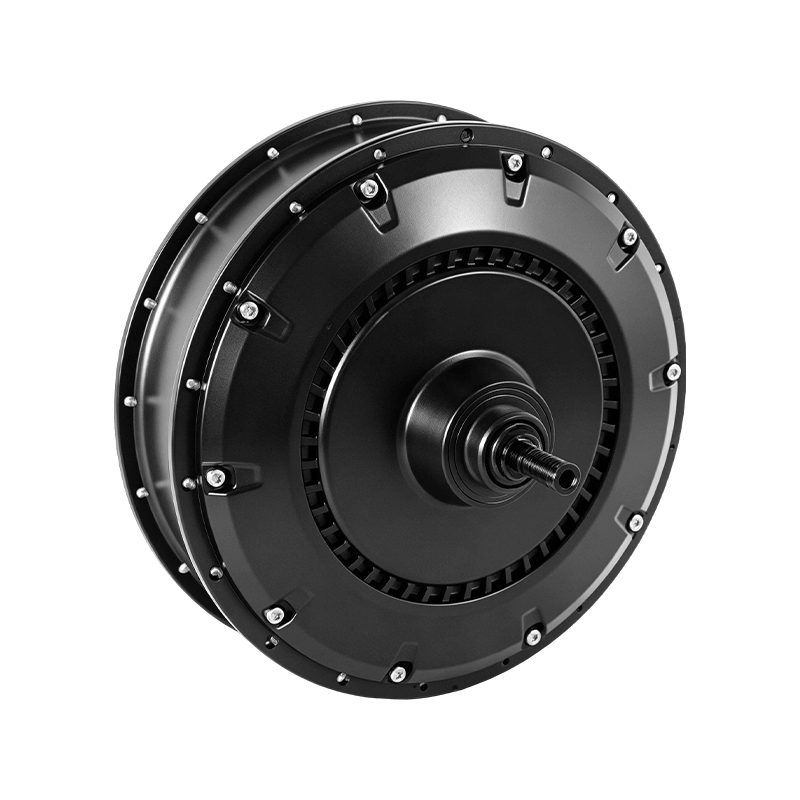
- Motor type preference, whether hub-mounted or mid-drive, based on the intended riding application
- Voltage and wattage ranges that match regional regulatory categories for pedal-assist or throttle-based bikes
- Compatibility with third-party controllers and display systems already used in a buyer's existing product line
- Sample time and whether small-batch testing runs are available before a full order is placed
These aren't abstract checklist items. They shape how quickly a partnership moves from inquiry to production, and they explain why some suppliers get repeat business while others get a single trial order and nothing more.
Production Adjustments Behind the Scenes
Inside the plants themselves, electric bike motors manufacturers have been reworking how components move from winding stations to final assembly. Copper winding, magnet placement, and housing fit all affect how a motor performs once it's mounted on an actual bike, and small tolerances add up. A shift toward modular motor designs has let some factories swap components between hub motor and mid-drive configurations without retooling entire lines, which shortens the gap between order confirmation and shipment.
Workforce scheduling has also changed at plants handling higher order volumes. Instead of running single shifts tied to one product line, several facilities now stagger production so that different motor variants move through assembly on overlapping schedules. It's a logistical adjustment more than a technological one, but it has a direct effect on how fast electric bike motors manufacturers can respond when a buyer needs a rush order filled.
Materials and Component Sourcing
Copper and rare-earth magnets remain the two inputs that shape cost and availability conversations the most. Fluctuations in raw material markets ripple down to component pricing, and factories that keep multiple supplier relationships for magnets and wiring tend to weather those swings with fewer disruptions than those relying on a single source. Buyers working with electric bike motors manufacturers sometimes ask directly about where core materials come from, not out of idle curiosity but because supply chain gaps can delay an entire product launch.
A handful of sourcing patterns show up again and again among buyers evaluating potential partners:
- Requesting a breakdown of where copper windings and magnet materials originate
- Asking whether a factory holds safety stock for common motor variants
- Checking if a supplier can scale from a few hundred units to several thousand without a major lead-time jump
- Confirming whether technical support is available after the motors ship, for integration troubleshooting
Where the Market Stands Right Now
Order volumes tied to cargo bikes, commuter models, and light delivery fleets have kept motor demand steady across several regions, and factories producing for electric bike motors manufacturers report that repeat orders now make up a larger share of business than one-off trial runs. That shift toward longer-term buyer relationships has changed how some plants allocate capacity, prioritizing consistent partners over speculative new inquiries during peak production windows.