

 English
 中文简体
中文简体Engineers working on light electric vehicles spend considerable time matching the right propulsion unit to real operating conditions. An electric two-wheeler motor converts battery energy into rotational force that turns the wheel. The choice of architecture, magnet arrangement, and control strategy determines how the vehicle accelerates, climbs grades, and manages heat during repeated stop-start cycles common in city traffic.
Common Motor Types Found in Production Models
Two motor families dominate current designs. Brushless DC motors offer straightforward electronic commutation and compact packaging. Permanent-magnet synchronous motors deliver higher efficiency across a wider speed range and respond well to advanced control algorithms. Both can be configured as either hub-mounted units or frame-mounted mid-drive units.
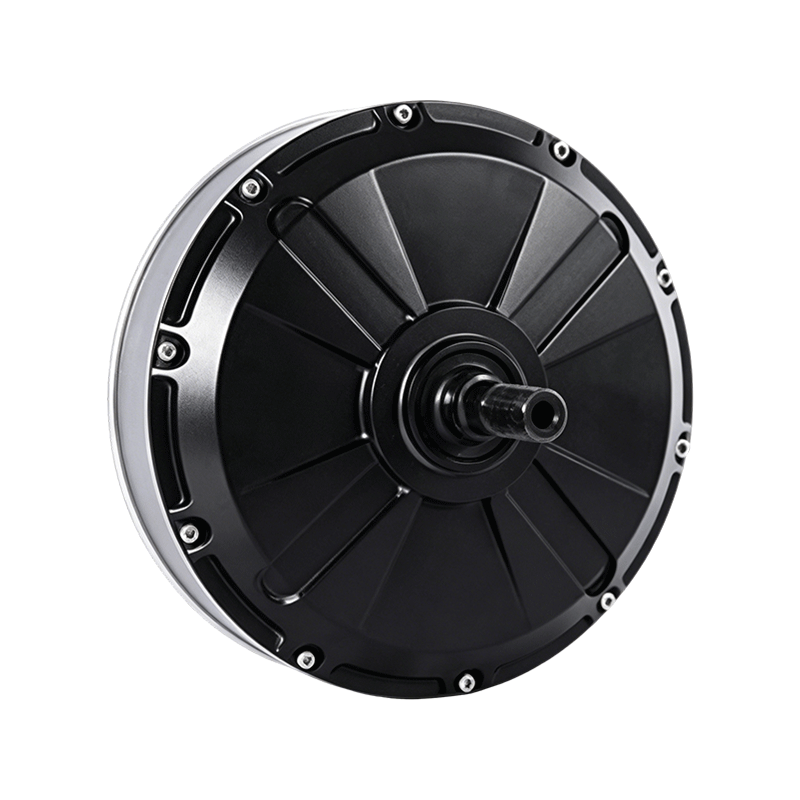
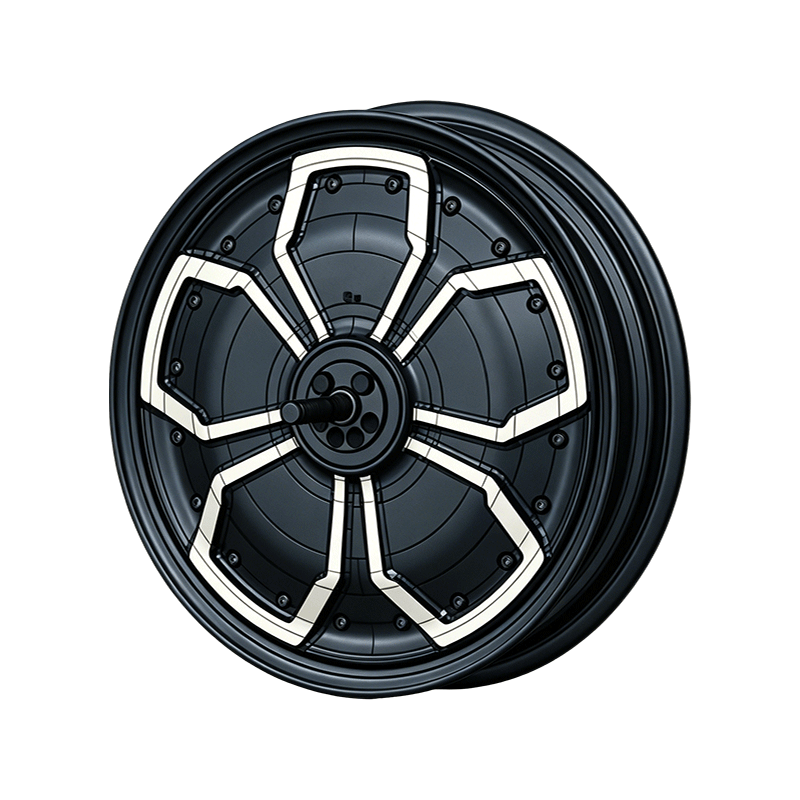
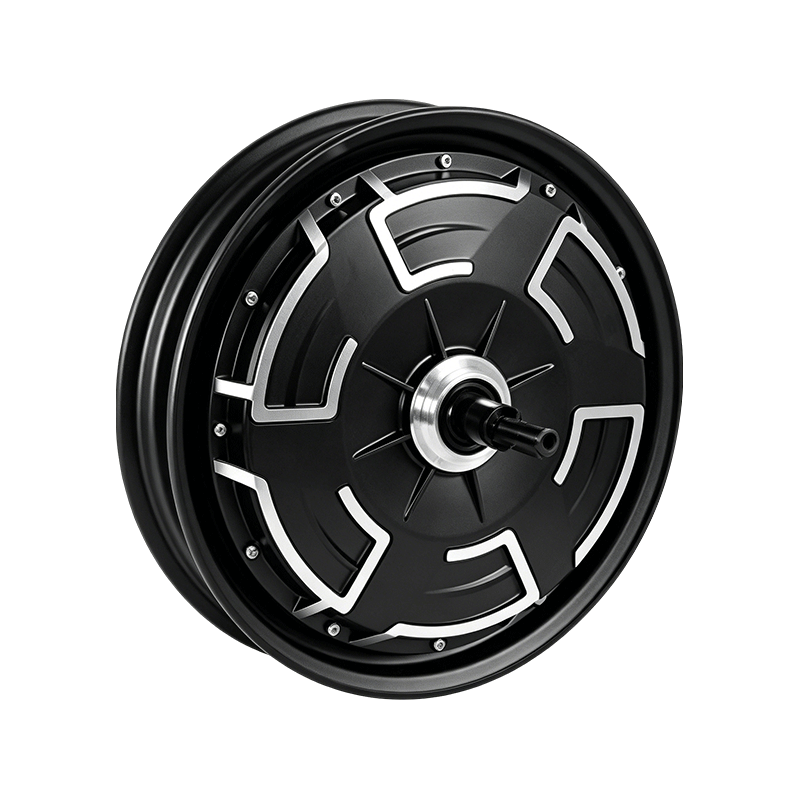
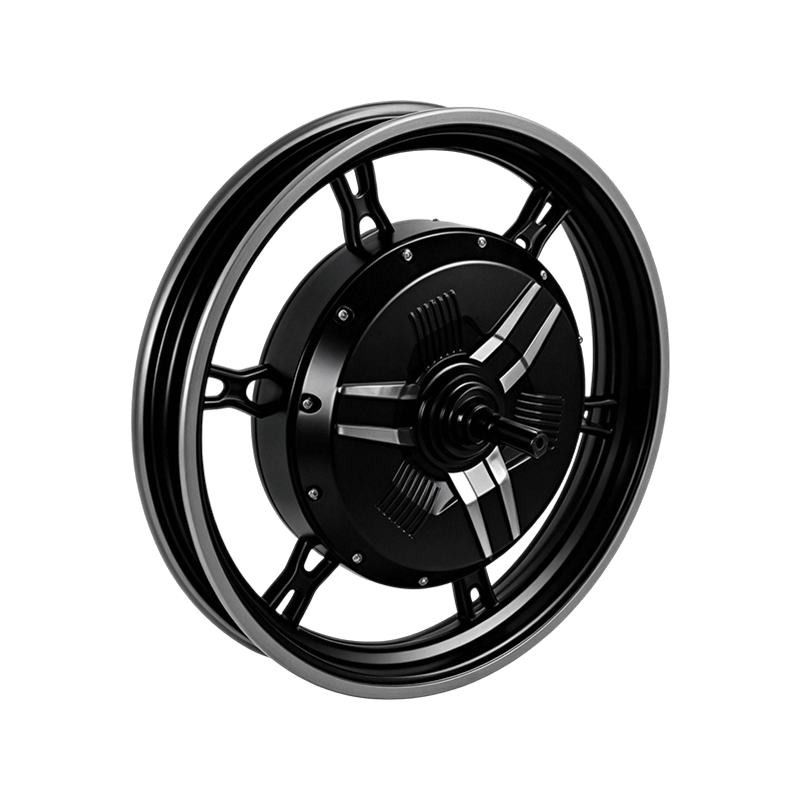
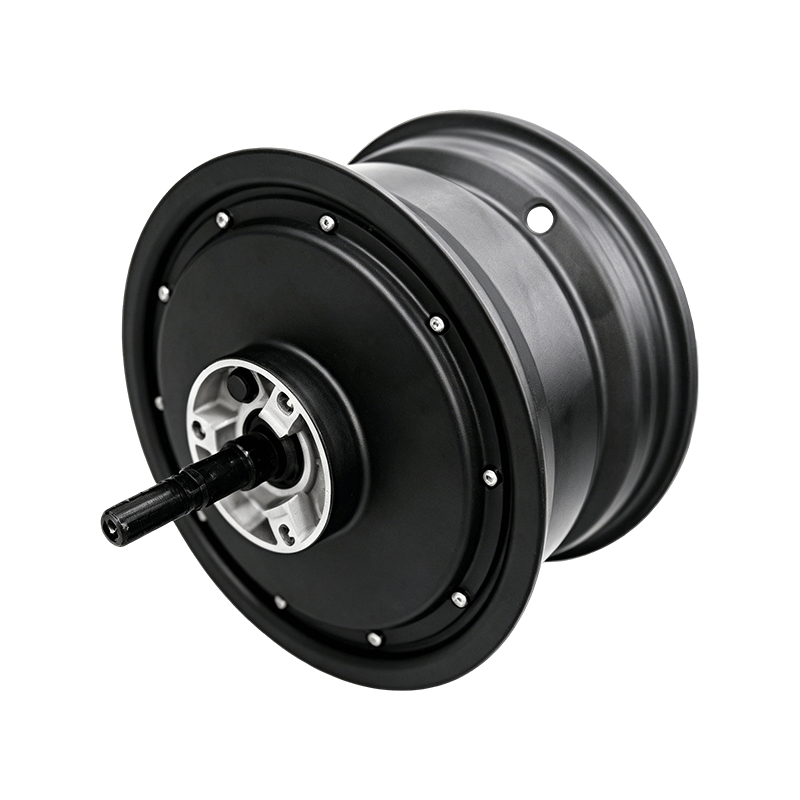
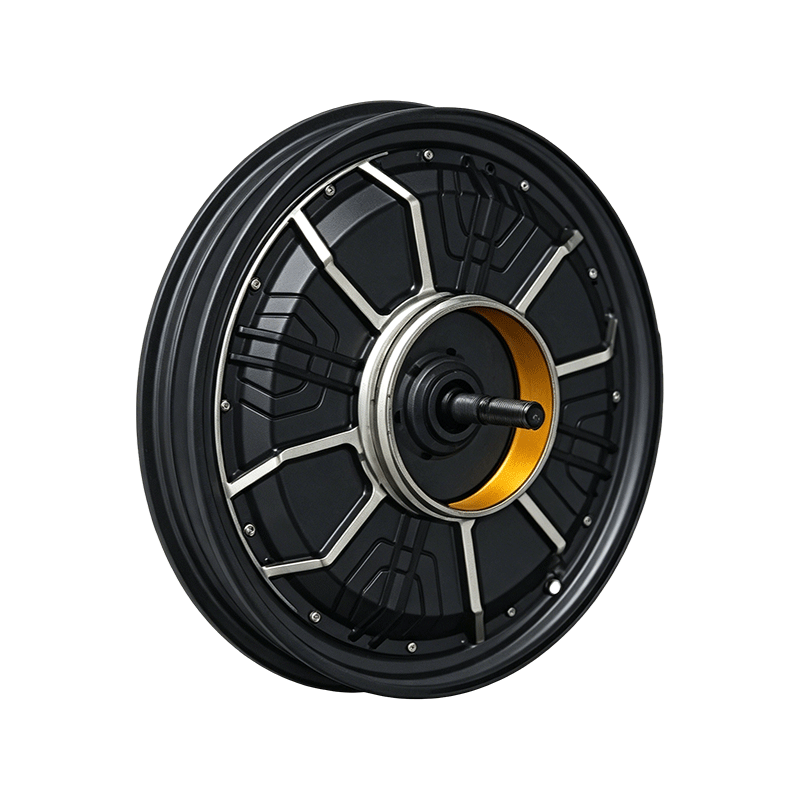
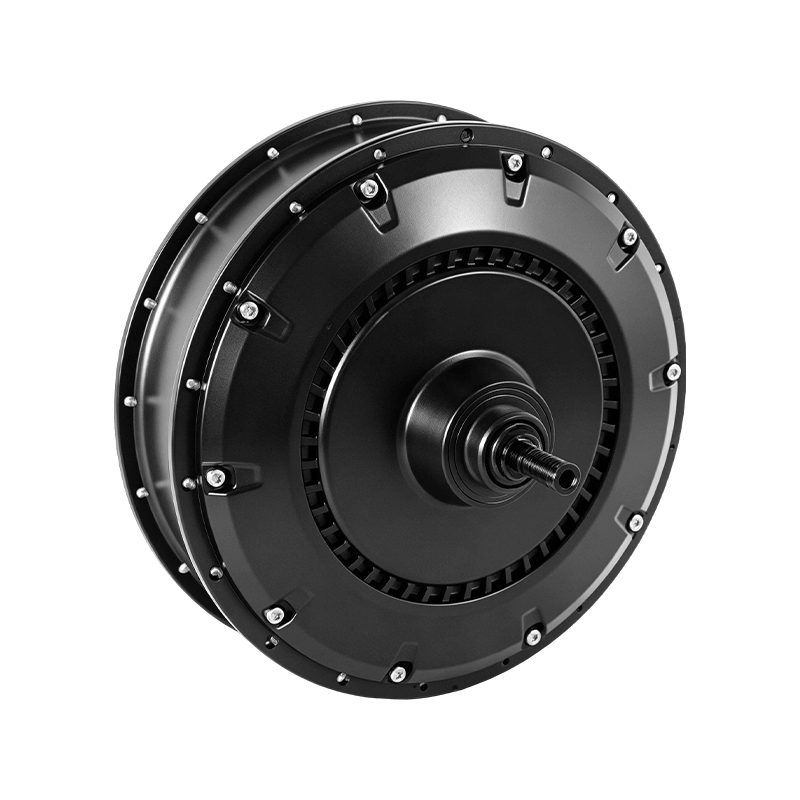
A hub motor sits inside the wheel hub and drives the wheel directly. This arrangement removes chains or belts, reduces parts count, and simplifies assembly. The trade-off appears in unsprung mass: the motor adds weight that the suspension must control, which can affect ride quality on uneven surfaces. Direct-drive hub versions spin at wheel speed, while geared hub versions use internal planetary reduction to raise torque at lower speeds.
A mid-drive motor mounts near the center of the vehicle, typically at the bottom bracket or within the swingarm area. Power reaches the rear wheel through a chain, belt, or fixed gear reduction. Because the motor can run at higher rotational speeds, designers apply gear ratios that multiply torque for steep grades or loaded starts. Central placement also keeps weight closer to the vehicle’s center of gravity, improving balance.
Power Delivery and Torque Characteristics
Continuous power ratings for everyday scooters often fall between 1.5 kW and 5 kW, with short-term peaks higher. Motorcycle applications step beyond that range when higher sustained speeds or stronger acceleration are required. Torque output depends on both the motor’s electromagnetic design and any mechanical reduction that follows it.
Field-oriented control has become a standard technique for managing these motors. Sensors or sensorless algorithms track rotor position so the controller can align current vectors precisely. The result is smooth torque with reduced ripple, quieter operation, and better energy conversion under varying loads. Intelligent gate drivers add over-current and thermal protection that help the system stay within safe limits during aggressive riding or high ambient temperatures.
Thermal Management and Packaging Constraints
Heat remains a constant design consideration. Hub motors rely mainly on natural convection and the airflow generated by wheel rotation. Mid-drive units benefit from easier access for forced-air or liquid cooling channels. Some recent platforms incorporate liquid-cooled housings that keep winding temperatures stable even when the vehicle operates near continuous power for extended periods.
Packaging also influences material choices. Rare-earth magnets still appear in many high-torque designs because they support compact size and strong flux density. Several manufacturers have introduced rare-earth-free alternatives, including synchronous reluctance and variable-flux topologies, to reduce exposure to supply-chain fluctuations. These motors may require different control maps and slightly larger volumes, yet they demonstrate that competitive performance remains achievable without permanent magnets of that class.
Practical Considerations for Vehicle Platforms
Urban scooters favor compact hub or mid-drive packages that fit under a step-through frame and leave room for battery modules. Commuter motorcycles place greater emphasis on sustained power and thermal headroom because riders expect higher average speeds. Cargo or delivery variants add payload requirements that push designers toward higher continuous torque ratings and robust cooling.
Testing under representative drive cycles reveals differences that steady-state specifications cannot capture. Chassis dynamometer runs and on-road measurements show how quickly a motor reaches thermal equilibrium and how efficiently it converts energy across the full operating map. Single-gear reductions often prove effective for many urban duty cycles because they avoid the losses associated with continuously variable transmissions while still providing adequate gearing.
An electric two-wheeler motor therefore sits at the intersection of electromagnetic design, mechanical packaging, thermal engineering, and control software. Each configuration carries clear strengths for particular use cases. Matching the motor architecture to the intended duty cycle, weight budget, and cooling capacity remains the practical path to reliable daily performance.