

 English
 中文简体
中文简体The electric bicycle industry continues to attract attention from bicycle brands, distributors, and OEM buyers looking for dependable drive systems. At the center of every electric bike is the Electric bicycle motor, a component that directly influences riding performance, product positioning, and manufacturing decisions.
As demand grows across commuter bikes, cargo bicycles, folding models, and recreational products, motor manufacturers are investing in refined production methods and broader product ranges. Buyers are paying closer attention to efficiency, compatibility, and production consistency rather than simply comparing power ratings.
Motor Structure Reflects Different Product Goals
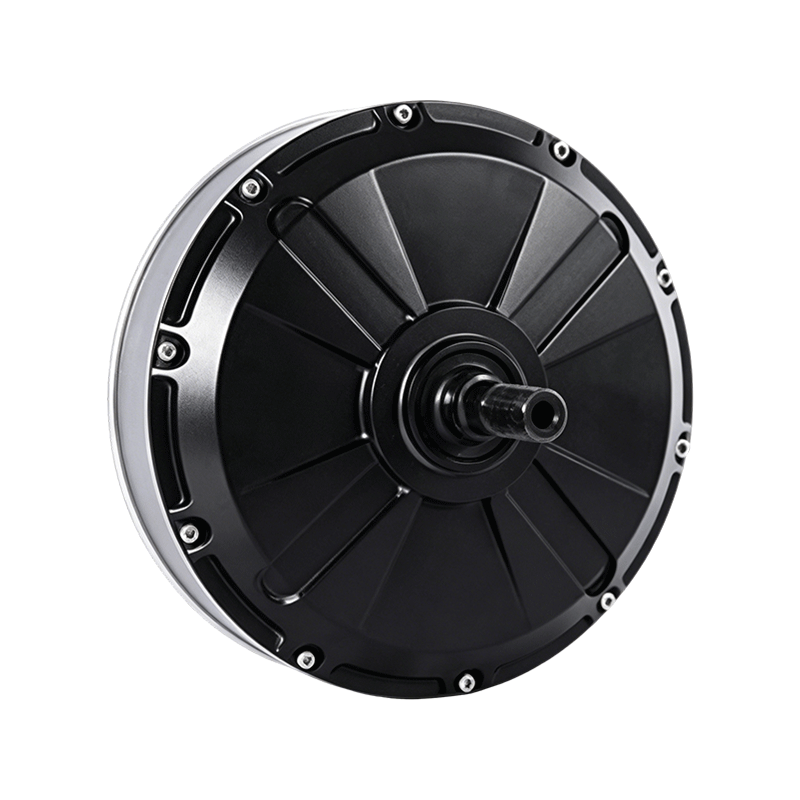
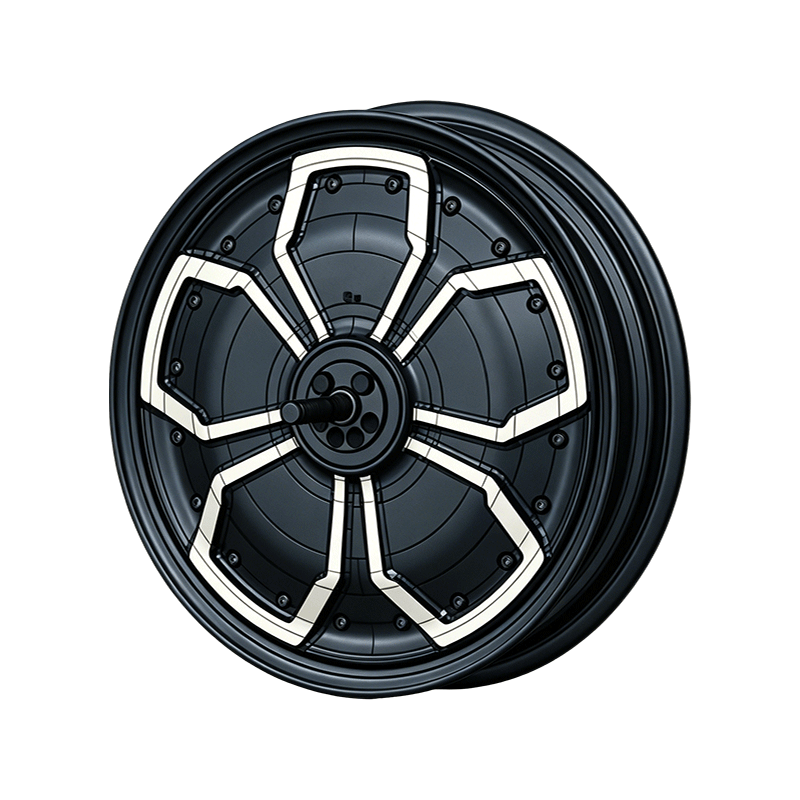
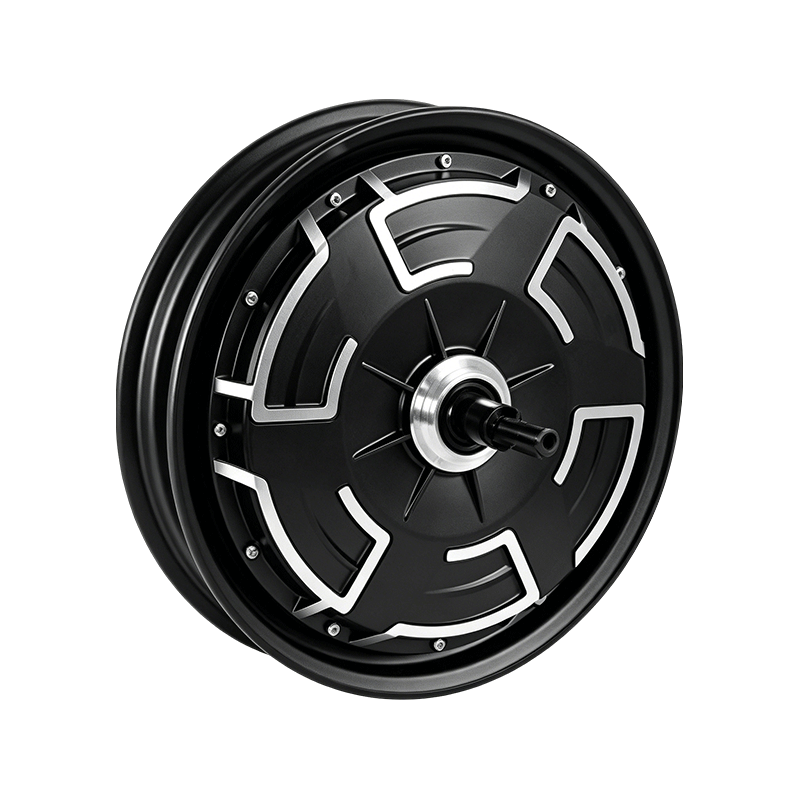
An Electric bicycle motor converts electrical energy from the battery into mechanical power that assists the rider. Although the basic working principle remains the same, several motor layouts are available for different bicycle designs.
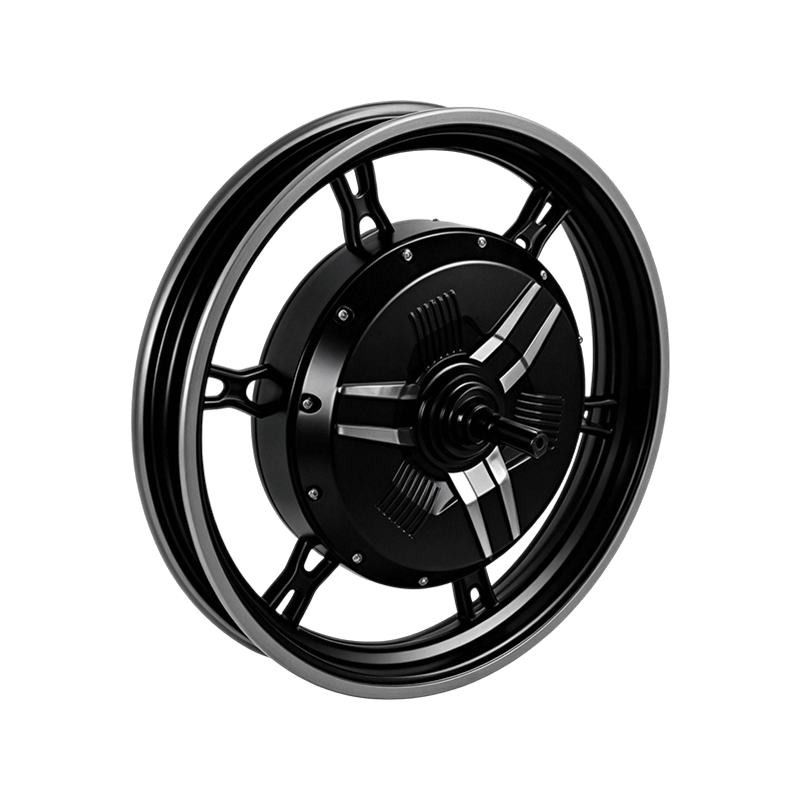
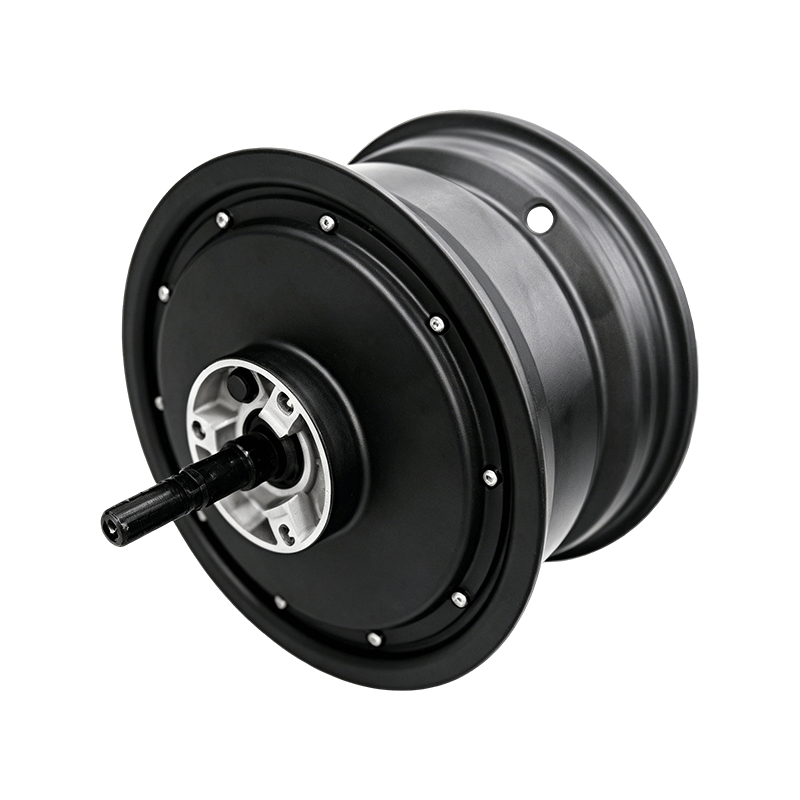
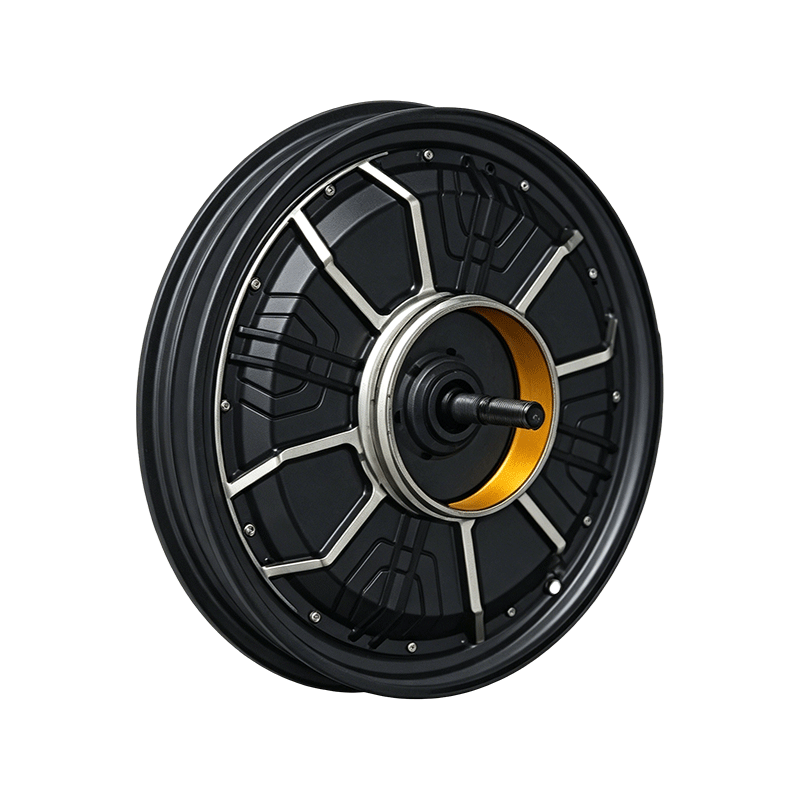
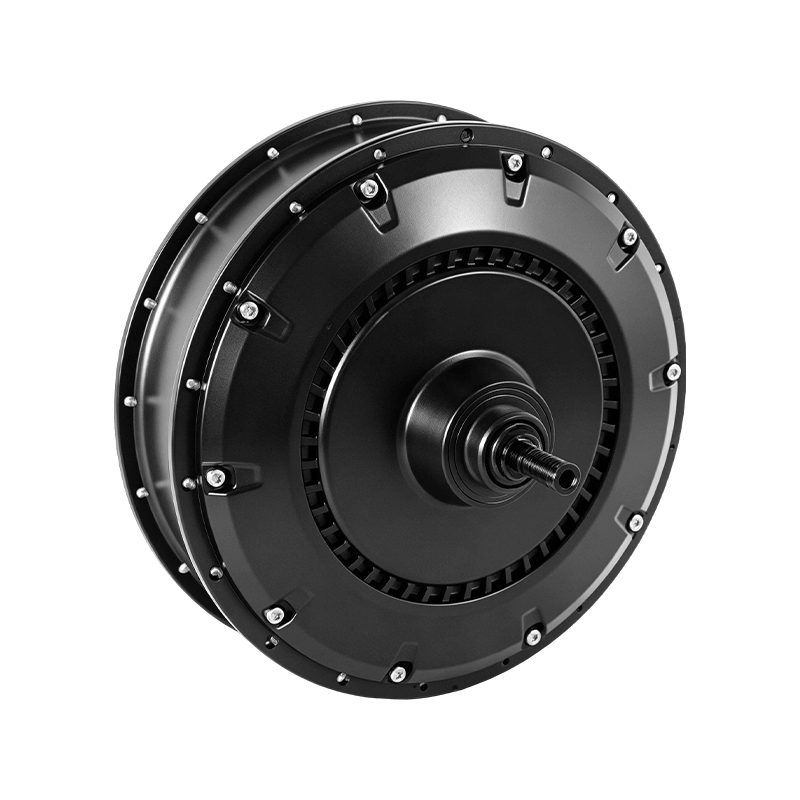
Hub motors remain popular because they integrate directly into the wheel, simplifying bicycle assembly. Front hub motors are commonly selected for lightweight city bicycles, while rear hub motors are often used where stronger traction is preferred.
Mid-drive motors are installed near the bicycle's crankset. Instead of driving the wheel directly, they transfer power through the bicycle's drivetrain. This arrangement allows the motor to take advantage of the bike's gears, making it suitable for applications that involve varying terrain or heavier loads.
Motor selection typically considers several technical factors:
- Rated power
- Rated voltage
- Torque output
- Motor weight
- Waterproof construction
- Noise level
- Controller compatibility
Rather than focusing on a single specification, OEM buyers usually evaluate how these elements work together within the complete bicycle system.
Manufacturing Focuses on Stable Quality and Precision
Producing a reliable Electric bicycle motor involves multiple precision manufacturing processes. Consistent machining and assembly help reduce vibration, improve efficiency, and support long operating life.
The production process generally includes stator winding, rotor machining, shaft processing, bearing installation, housing machining, controller integration, and final testing.
Permanent magnets are carefully positioned to maintain balanced magnetic fields. Automated winding equipment improves consistency between production batches, while CNC machining helps maintain tight dimensional tolerances for motor housings and rotating components.
Modern production lines also include dynamic balancing before final assembly. Even minor imbalances inside the rotor may increase operating noise or reduce efficiency.
Several inspection items are commonly completed before shipment:
| Inspection Item | Purpose |
| Electrical performance | Confirms stable power output |
| Torque testing | Verifies driving capability |
| Noise measurement | Checks operating smoothness |
| Temperature testing | Evaluates thermal stability |
| Waterproof verification | Confirms enclosure integrity |
| Functional testing | Ensures complete system operation |
Consistent manufacturing processes help suppliers provide repeatable quality across large production volumes, which is an important consideration for bicycle brands sourcing components internationally.
Buyers Compare Integration and Supply Capability
B2B buyers often evaluate more than motor specifications when selecting a supplier. The ability to support stable production schedules, customization projects, and technical cooperation has become increasingly important.
Many bicycle manufacturers prefer suppliers capable of offering integrated solutions, including motors, controllers, displays, wiring harnesses, and matching accessories. This simplifies sourcing and helps reduce compatibility concerns during product development.
Customization requests commonly include:
- Different motor power levels
- Customized wheel sizes
- Cable length adjustments
- Connector selection
- Software parameter configuration
- Private label branding
Production flexibility also matters. Some buyers require large-volume manufacturing for established product lines, while others seek smaller production runs during new model development.
Technical documentation, engineering support, and consistent communication throughout sampling and production stages for Electric bicycle motor orders often influence purchasing decisions alongside manufacturing capability.