

 English
 中文简体
中文简体Anyone who has ridden a poorly built electric bike knows the difference immediately — jerky power delivery, odd noises at low speed, a motor that seems to strain going up hills it should handle easily. A lot of that experience traces directly back to the factory that built the hub motor, long before the bike ever reaches a showroom floor.
Why Factory Selection Matters So Much
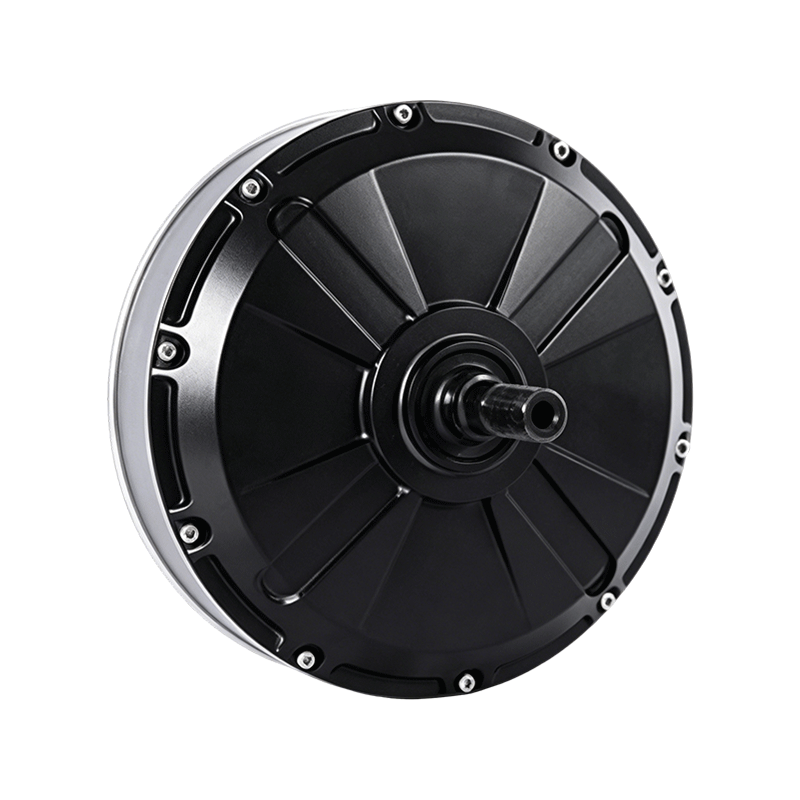
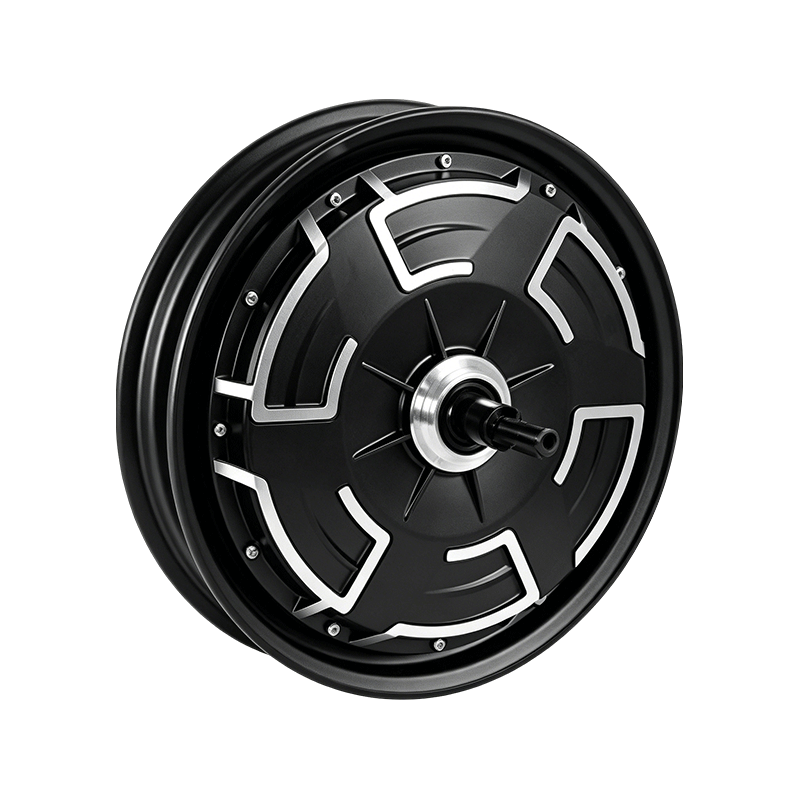
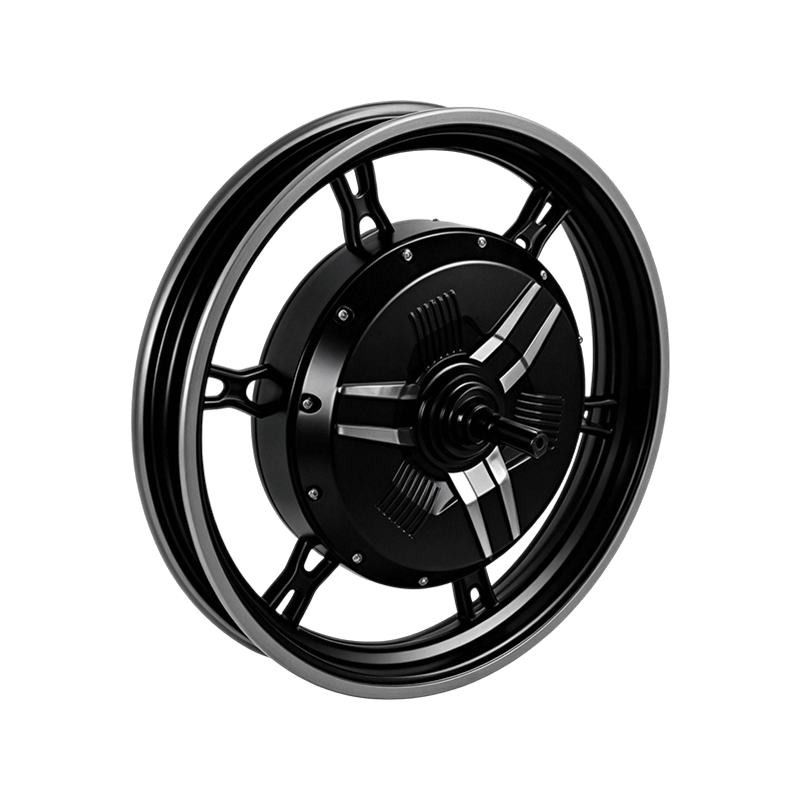
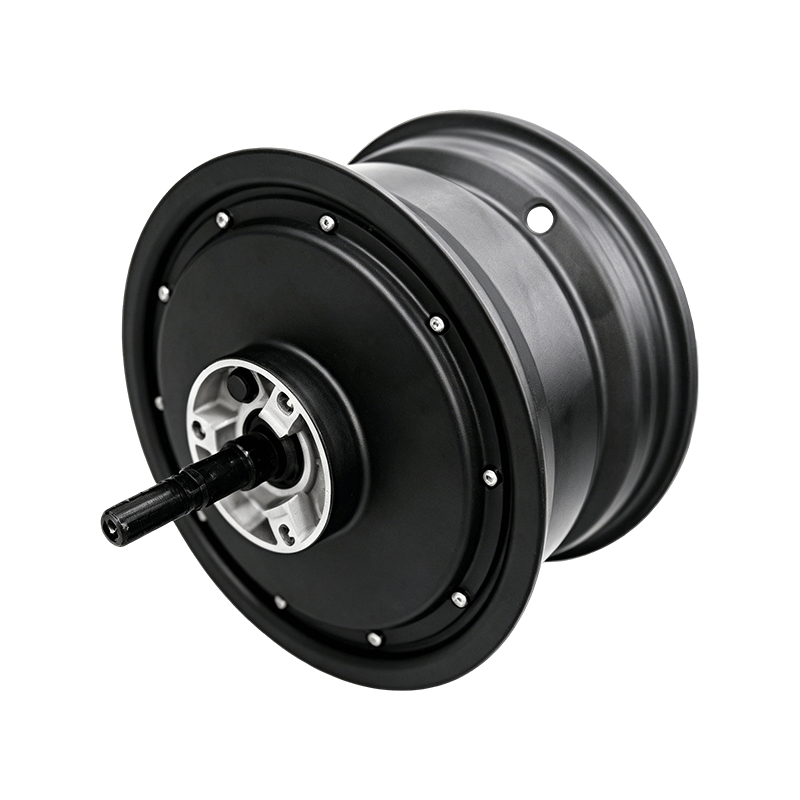
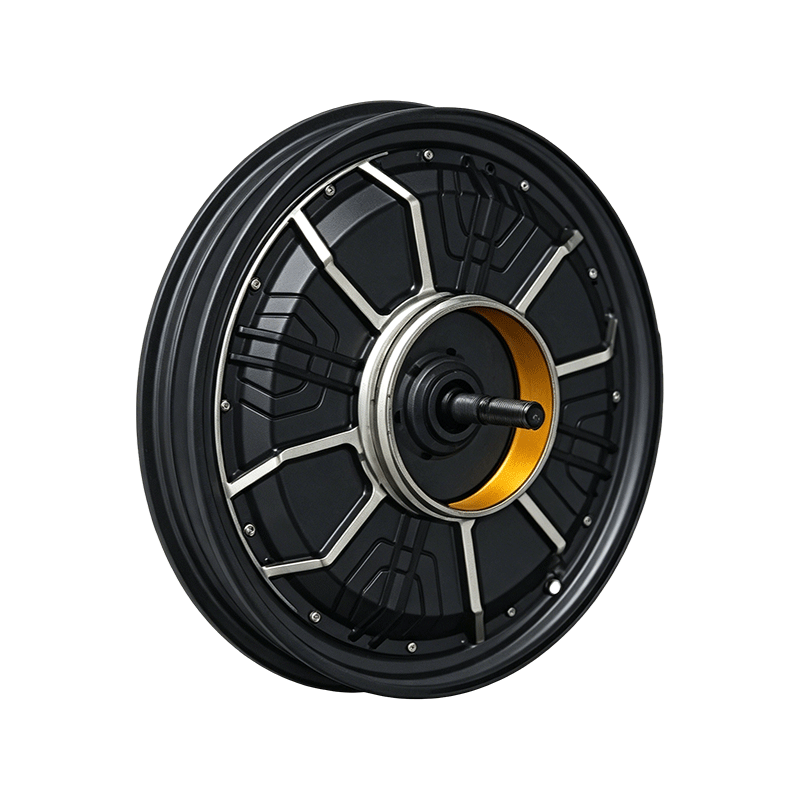
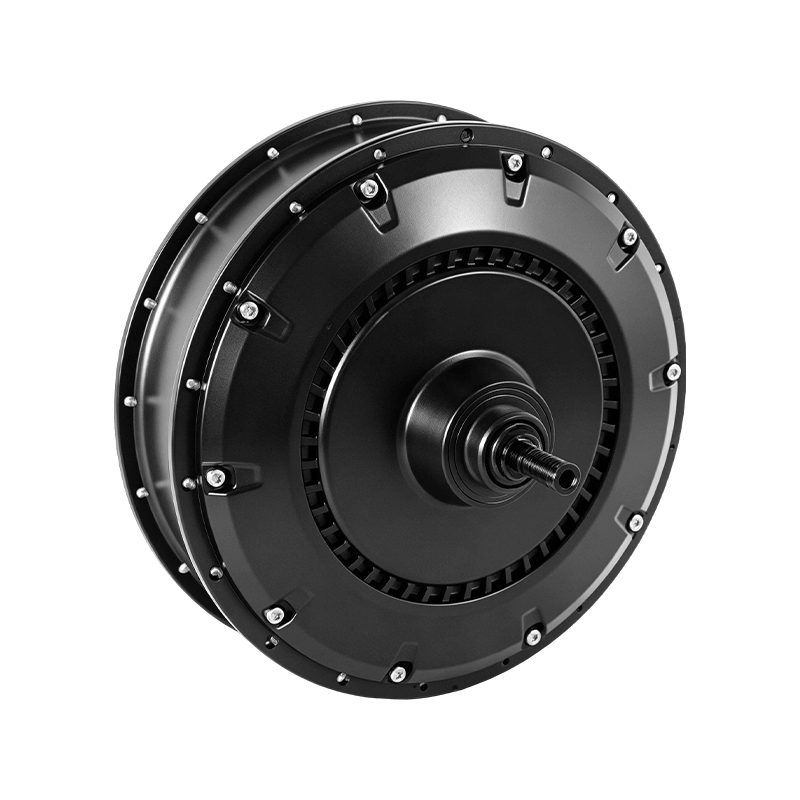
A hub motor looks simple from the outside — a wheel with a motor built into the center. Inside, though, the winding quality, magnet alignment, and bearing tolerances determine how smoothly that motor performs over thousands of charge cycles. A factory that cuts corners on winding consistency or uses inconsistent magnet grades produces motors that might test fine individually but show wide performance variation across a production batch. That variation is exactly what distributors want to avoid when placing bulk orders meant to supply multiple retail partners.
What Buyers Actually Evaluate
Procurement teams sourcing from a hub motor factory tend to focus on a fairly consistent set of details:
- Winding and coil consistency across units, since small variations translate directly into differences in torque and efficiency
- Bearing and axle tolerance, which affects noise levels and long-term wear under repeated load
Suppliers who can walk buyers through their quality control process on both points tend to earn more trust than those offering only finished-product specs without visibility into how consistency gets maintained during production.
Application Scenarios Across the Industry
Hub motors from these factories end up in a wider range of products than people often assume. E-bikes represent a large share of demand, spanning commuter models, cargo bikes, and off-road builds, each requiring different torque and speed characteristics. Electric scooters rely on smaller, higher-RPM hub motors suited to their compact wheel size.
Light electric mobility devices — wheelchairs, mobility scooters, some warehouse equipment — also draw on hub motor technology, though with different priorities around load capacity and low-speed torque. A factory capable of adjusting winding specifications and housing dimensions across these categories gives distributors more flexibility when serving multiple client types from one supplier relationship.
Common Pain Points in Sourcing Hub Motors
A recurring frustration among distributors is receiving a sample unit that performs well, only to find wider performance variation once the full bulk order arrives. This usually points back to inconsistent quality control during scaled production rather than any flaw in the original design. Buyers who request batch testing data — not just single-unit specs — tend to catch this problem before it becomes a customer-facing issue.
Noise and vibration are also common complaints tied to hub motor quality. A motor with uneven magnet spacing or slightly misaligned bearings can develop a faint hum or vibration that isn't obvious in a quiet testing environment but becomes noticeable during actual riding conditions. Factories that test units under load, rather than only at idle, tend to catch these issues before motors ship out.
Heat management under sustained use is another factor buyers ask about, particularly for cargo e-bikes or delivery-oriented vehicles that run motors for extended periods without rest. A hub motor factory that can speak clearly to how their winding design and housing material handle heat buildup tends to inspire more confidence than one offering vague assurances about general durability.