

 中文简体
Electric mopeds have become an important category in the two-wheeler market, serving urban commuters, delivery operators, and personal transportation businesses. Behind their riding performance is a motor system that converts electrical energy into mechanical movement. An Electric moped motor needs to balance output, installation space, operating characteristics, and compatibility with the vehicle's electrical system.
Hub Motors and Mid-Drive Motors
Electric moped motors generally fall into two structural categories: hub motors and mid-drive motors. Each configuration has different characteristics and installation requirements.
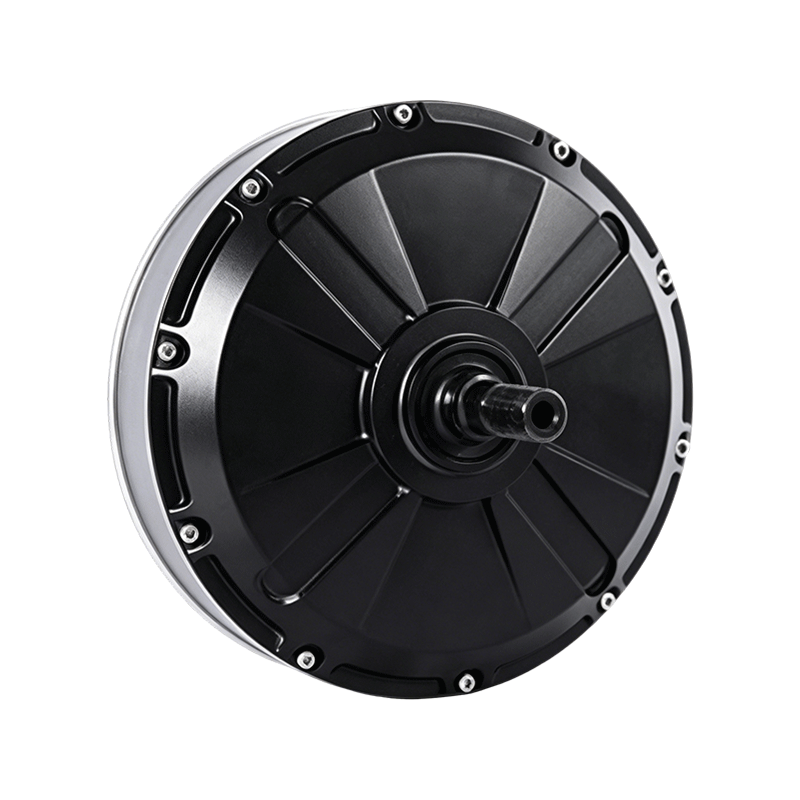
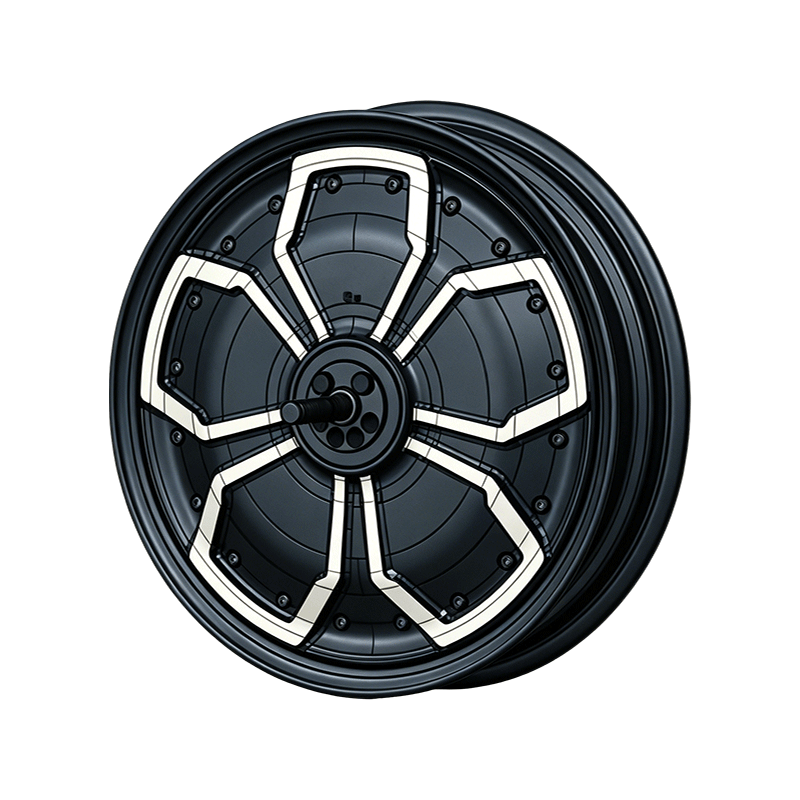
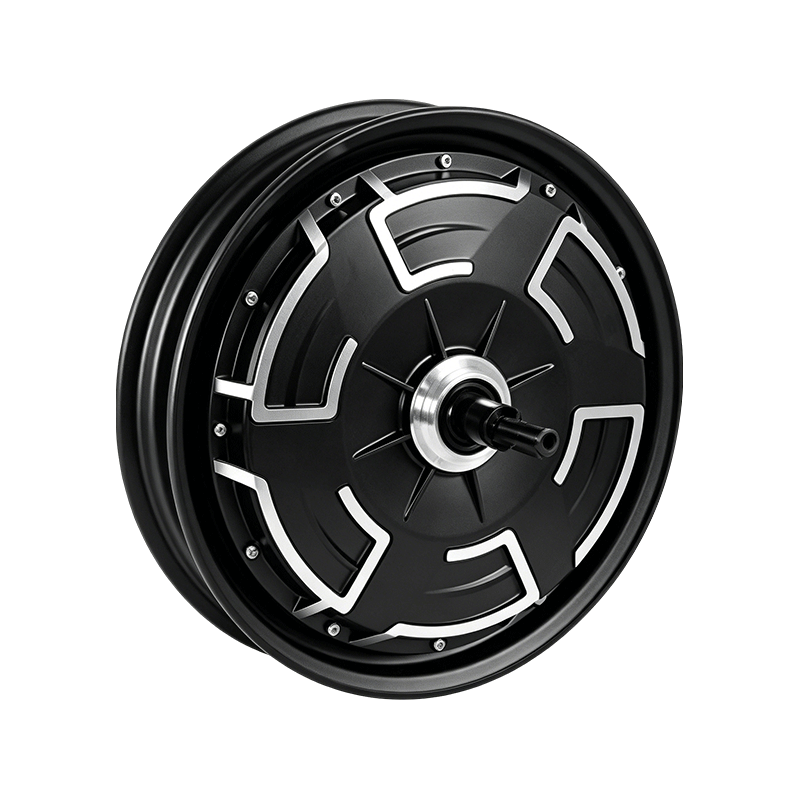
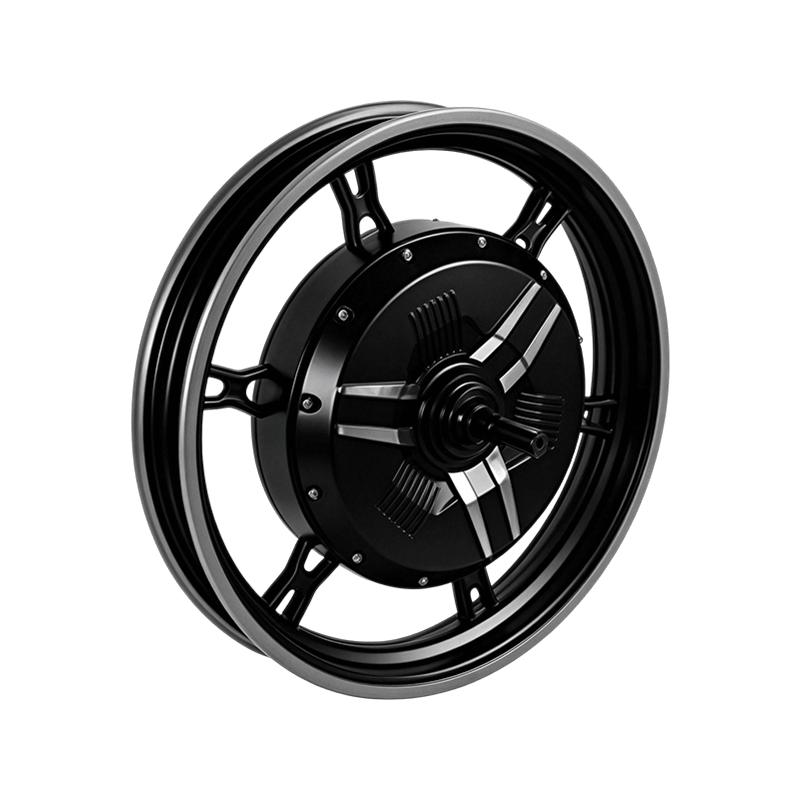
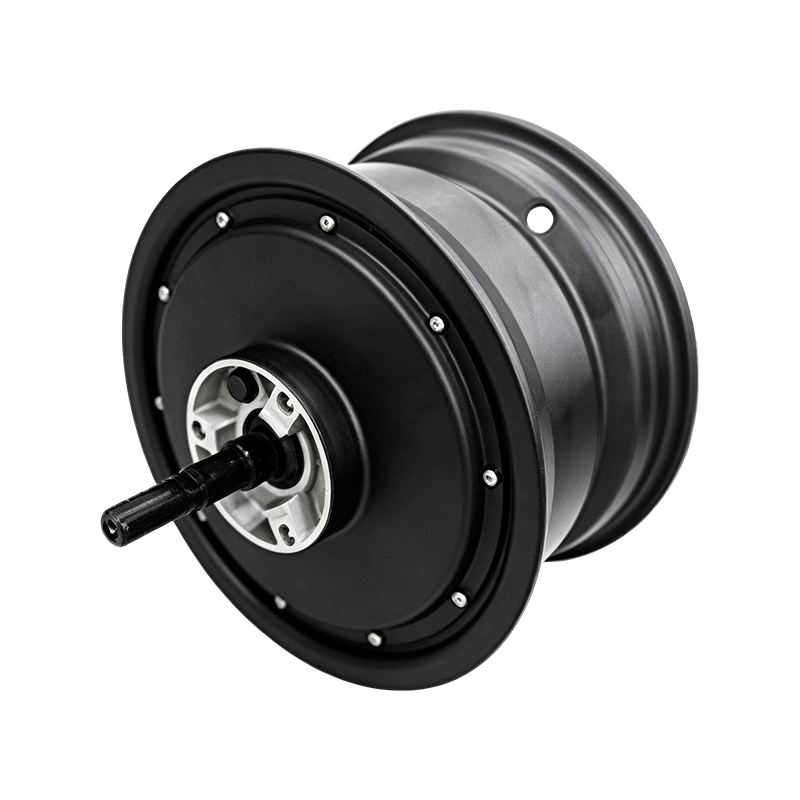
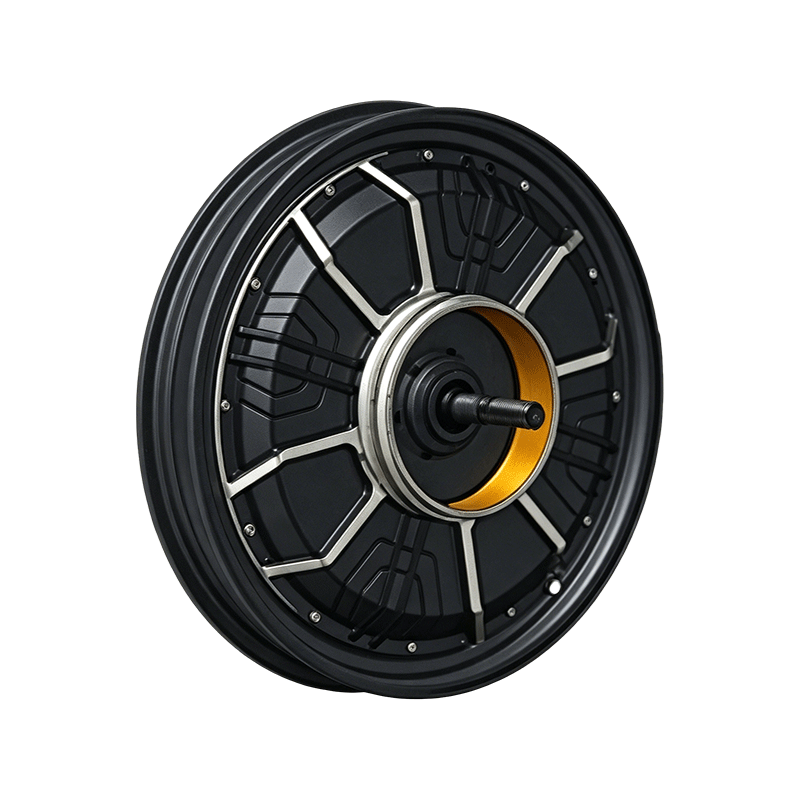
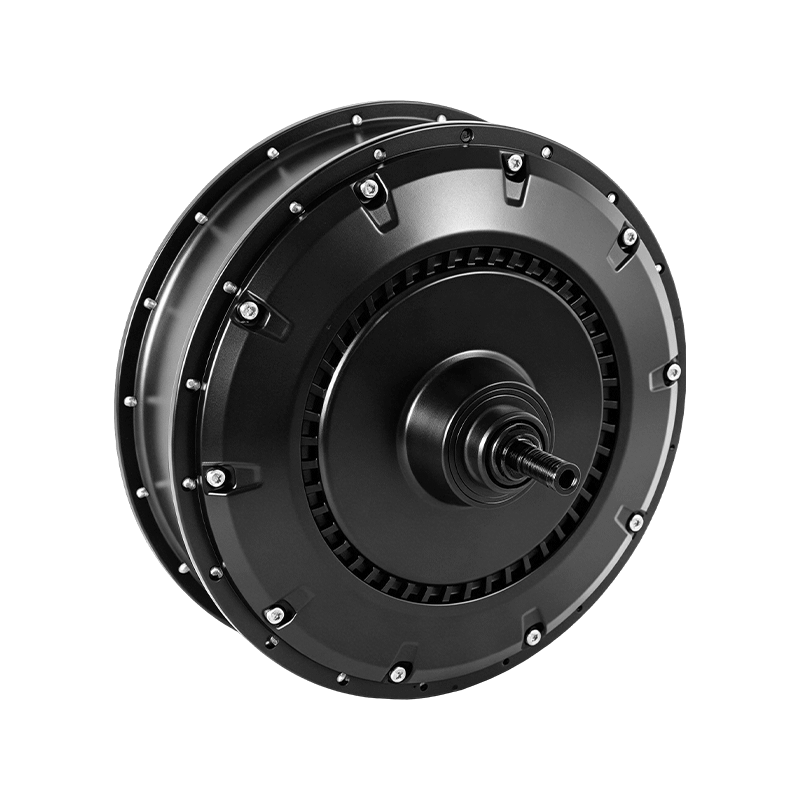
Hub motors are integrated into the front or rear wheel assembly. This arrangement reduces the need for a separate mechanical transmission system and creates a relatively direct power delivery structure. Rear hub motors are commonly used in electric mopeds because they provide a straightforward layout for two-wheel vehicle manufacturers.
Mid-drive motors are installed near the vehicle's central frame area and transfer power through a mechanical transmission system. Their position can help distribute weight around the vehicle, although the frame and drivetrain need to accommodate the installation structure.
When selecting an Electric moped motor, manufacturers usually begin by identifying the vehicle architecture and the intended riding application. These decisions help determine which motor arrangement is suitable for the overall design.
Understanding Motor Power and Torque
Motor power and torque are two important parameters in electric moped development. Although they are related, they describe different aspects of motor operation.
Rated power indicates the motor's continuous power output under specified operating conditions. It is commonly expressed in watts or kilowatts. Peak power refers to the higher output available for a limited operating period, depending on the motor and controller configuration.
Torque describes the rotational force produced by the motor. For electric mopeds, torque influences starting response and the ability to accelerate under different load conditions.
A motor with suitable torque characteristics can support applications such as urban commuting and cargo transportation. However, motor performance also depends on battery voltage, controller settings, wheel size, and vehicle weight.
Motor Materials and Internal Construction
The internal construction of an electric motor affects its electrical and mechanical characteristics. Several components work together to convert electrical energy into rotational movement.
- Stator: Contains the windings that generate a magnetic field when electrical current passes through them.
- Rotor: Rotates in response to the magnetic interaction within the motor.
- Permanent magnets: Used in many brushless motor designs to create the required magnetic field.
- Motor shaft: Transfers rotational movement to the wheel or connected drivetrain.
- Bearings: Support the rotating assembly and help maintain smooth mechanical movement.
Copper windings are commonly used in motor construction because of their electrical conductivity. Magnetic steel laminations are also used in the stator core to support electromagnetic operation.
For an Electric moped motor, the arrangement of these components depends on the selected motor type, dimensions, power rating, and intended installation position.
Matching Motors With Different Vehicle Applications
Electric mopeds are used in several transportation scenarios, and their motor requirements can vary accordingly.
Urban commuter mopeds generally focus on smooth acceleration and practical power output for everyday road conditions. Delivery mopeds may require different motor configurations to accommodate additional cargo weight and frequent starting and stopping.
Some compact electric mopeds are developed for short-distance transportation, with an emphasis on installation space and overall vehicle dimensions. Larger models may use different motor ratings to match their frame structure and intended performance.
An Electric moped motor should therefore be selected as part of the complete vehicle system rather than as an independent component. Battery specifications, controller compatibility, wheel dimensions, and vehicle weight all contribute to the final configuration.