

 中文简体
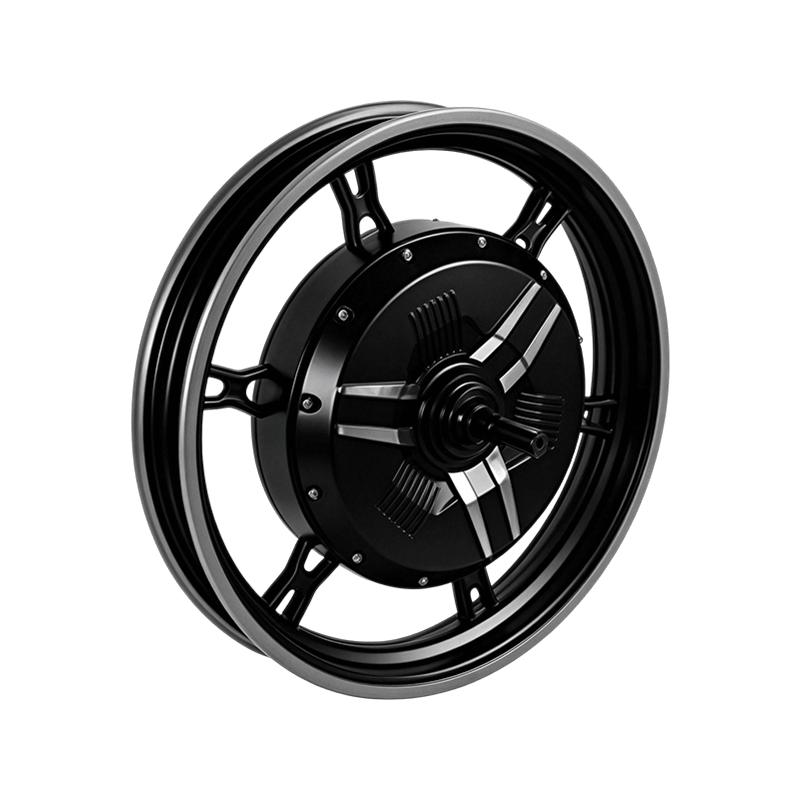
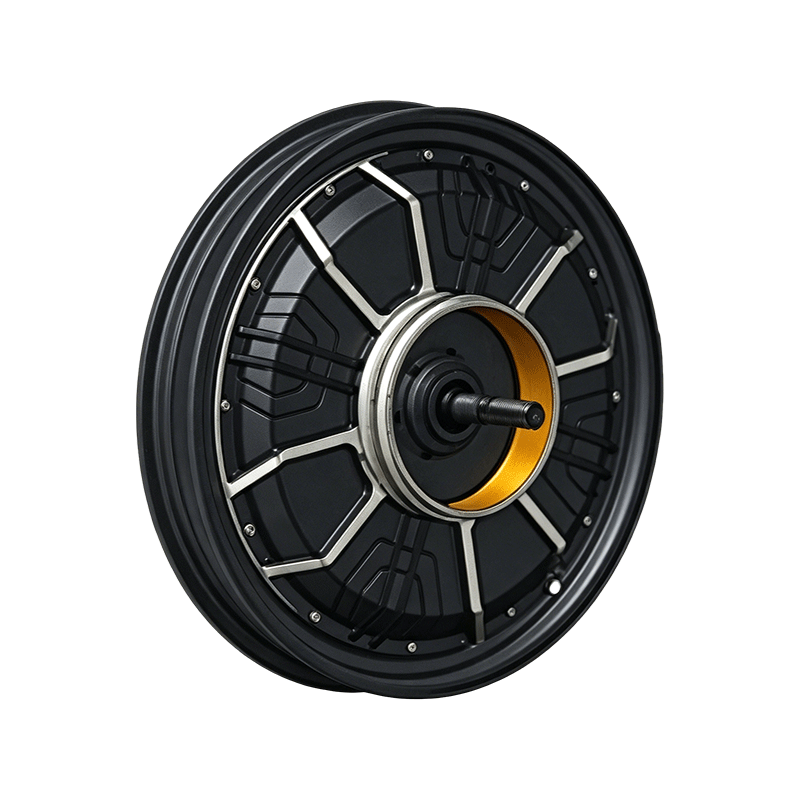
Buyers sourcing components for electric bicycles, scooters, and light electric vehicles often need a clear picture of how hub motors are produced and what a capable supplier can deliver. A hub motor factory focuses on integrating the motor directly into the wheel hub, combining the drive unit, bearings, and structural housing into a single compact assembly. This approach simplifies vehicle design and reduces the number of external mechanical parts required on the frame.
Core Structure and Component Integration
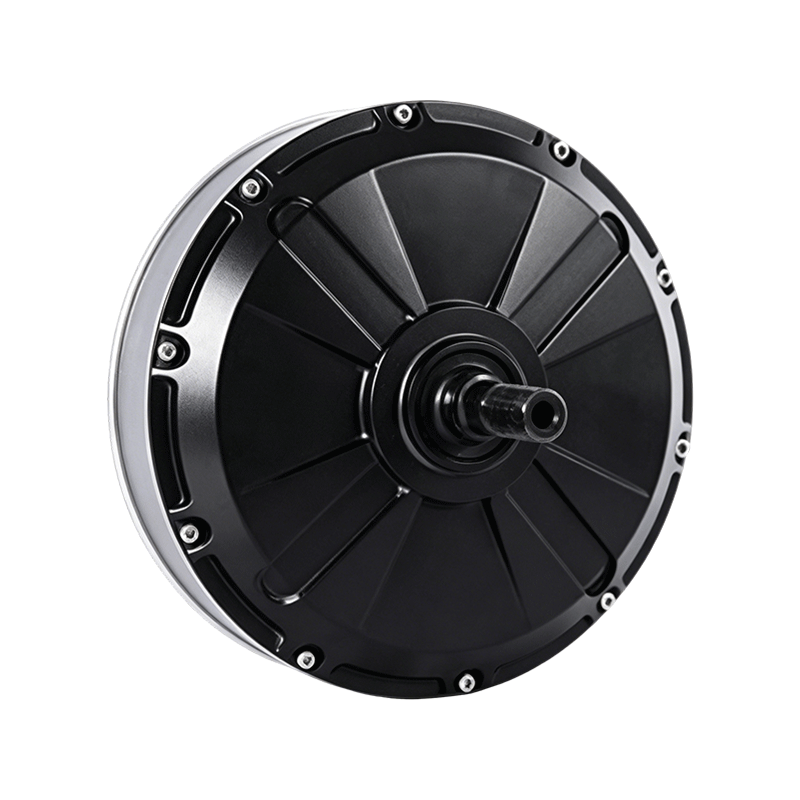
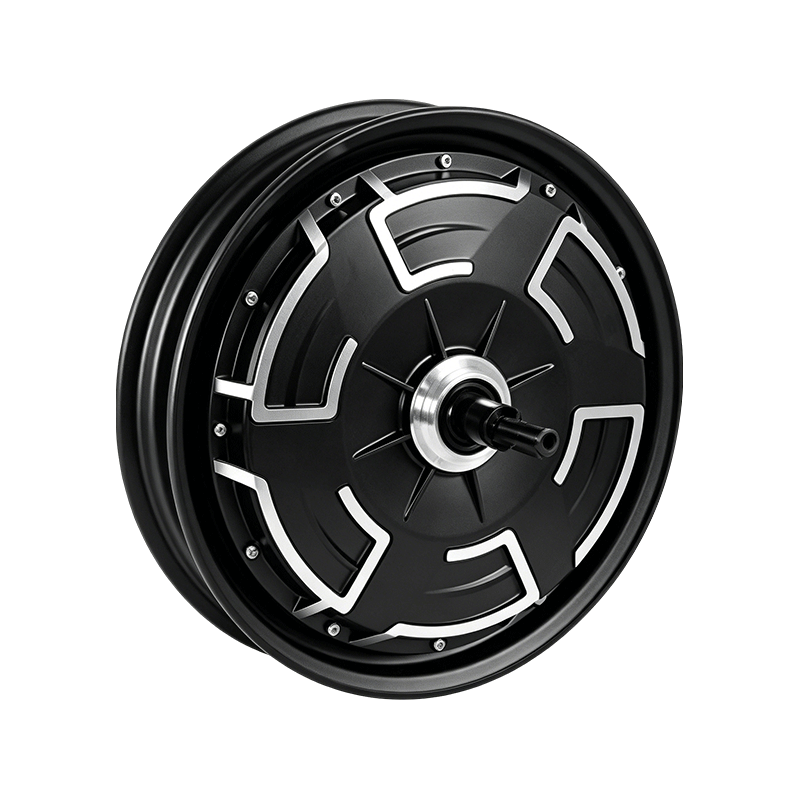
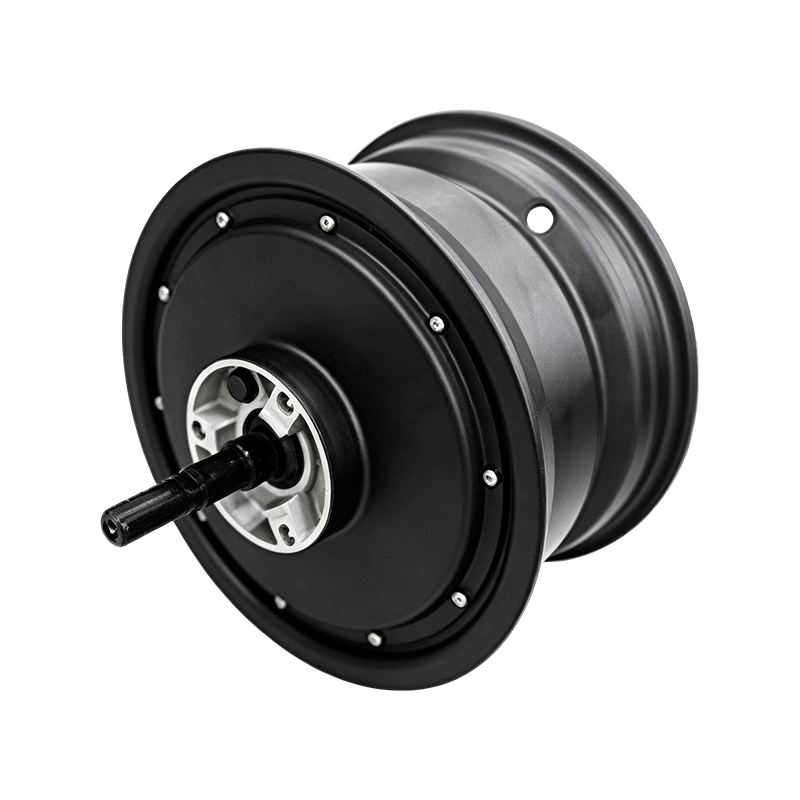
Inside a typical hub motor, the stator and rotor sit within a sealed housing that also serves as the wheel hub. Permanent magnets, copper windings, and a laminated iron core form the electromagnetic heart of the unit. Bearings support the axle and allow the outer shell to rotate smoothly under load. Hall sensors or sensorless control circuits manage timing and speed feedback. A hub motor factory arranges these elements so the finished motor can accept standard spokes or bolt patterns used by bicycle and scooter manufacturers.
The housing itself is usually aluminum alloy, chosen for a balance of strength, weight, and heat dissipation. Seals around the axle and cable entry points help keep dust and moisture away from the internal windings. These design choices directly affect how the motor performs under continuous use and how easily it mounts onto existing frame designs.
Manufacturing Flow from Stator to Finished Motor
Production begins with stator winding, where copper wire is precisely layered onto the iron core. Magnet placement follows, with magnets fixed to the rotor in a pattern that matches the control electronics. Housing components are machined or die-cast, then assembled around the electromagnetic core. Bearings are pressed into place, and the axle is secured. Final steps include cable routing, sensor installation, and basic functional checks before the motor leaves the line.
A hub motor factory typically runs parallel lines for different power ratings and wheel sizes. Common ranges cover motors suitable for city e-bikes, cargo bikes, and compact scooters. The ability to switch between these variants without long changeover times helps buyers maintain steady supply for mixed product lines.
Material Choices and Thermal Considerations
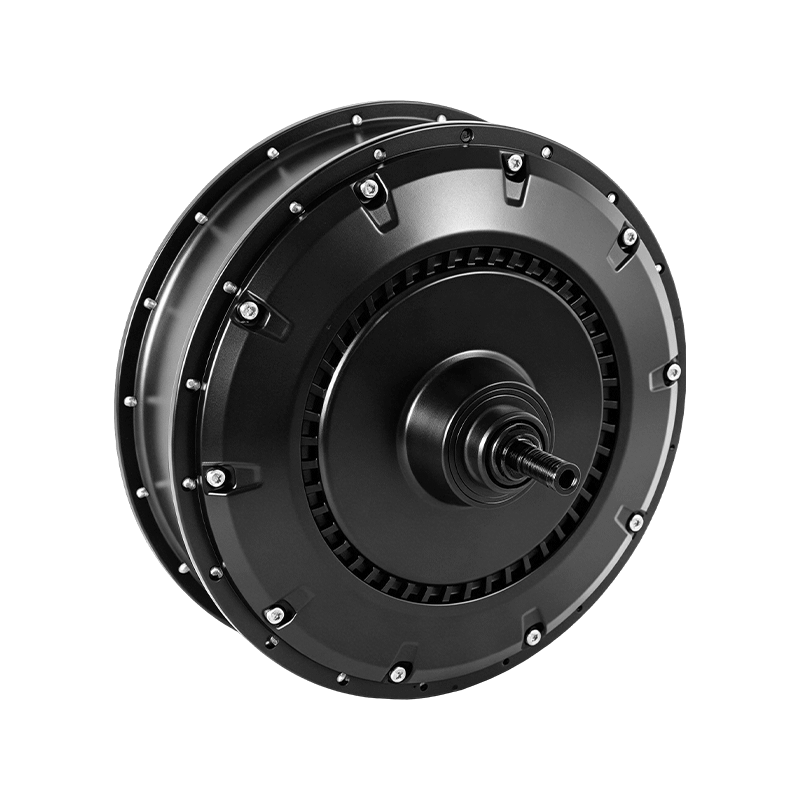
Aluminum housings remain common because they conduct heat away from the windings during sustained operation. Some designs incorporate internal cooling fins or external fin patterns to increase surface area. Copper purity and magnet grade affect efficiency and torque density, so a hub motor factory that maintains stable material specifications helps buyers predict performance across successive orders.
The finished motor must balance weight against structural strength. Excess mass at the wheel increases unsprung weight and can affect ride feel, while insufficient strength risks deformation under heavy loads or impact. Factories that offer a documented range of housing thicknesses and bearing sizes give buyers clearer choices for different vehicle categories.
A hub motor factory that combines clear component integration, flexible production of common sizes, and consistent material practice provides a practical partner for electric vehicle programs. Buyers gain a compact drive solution that simplifies vehicle layout while supporting a range of power and mounting requirements across city, cargo, and light commercial applications.