

 English
 中文简体
中文简体The Role of Electric Bicycle Motors in Modern Mobility
Electric bicycle motor manufacturers play an important role in developing drive systems that support the growing use of electric bicycles across different markets. The motor is a core component of an e-bike system, converting electrical energy from the battery into mechanical power that assists riders during movement.
Different electric bicycles require different motor characteristics depending on their applications. Urban commuting models, cargo bicycles, mountain e-bikes, and shared mobility vehicles may use different motor designs to meet specific requirements. Manufacturers focus on factors such as power output, size, weight distribution, noise control, and integration with other electronic components.
The development of electric bicycle motors involves mechanical engineering, electrical design, material selection, and production technology. These factors work together to create motor systems that can operate reliably in various riding conditions.
Common Motor Types Used in Electric Bicycles
Electric bicycle motor manufacturers commonly produce several motor types, including hub motors and mid-drive motors. Each design has different structural features and application advantages.
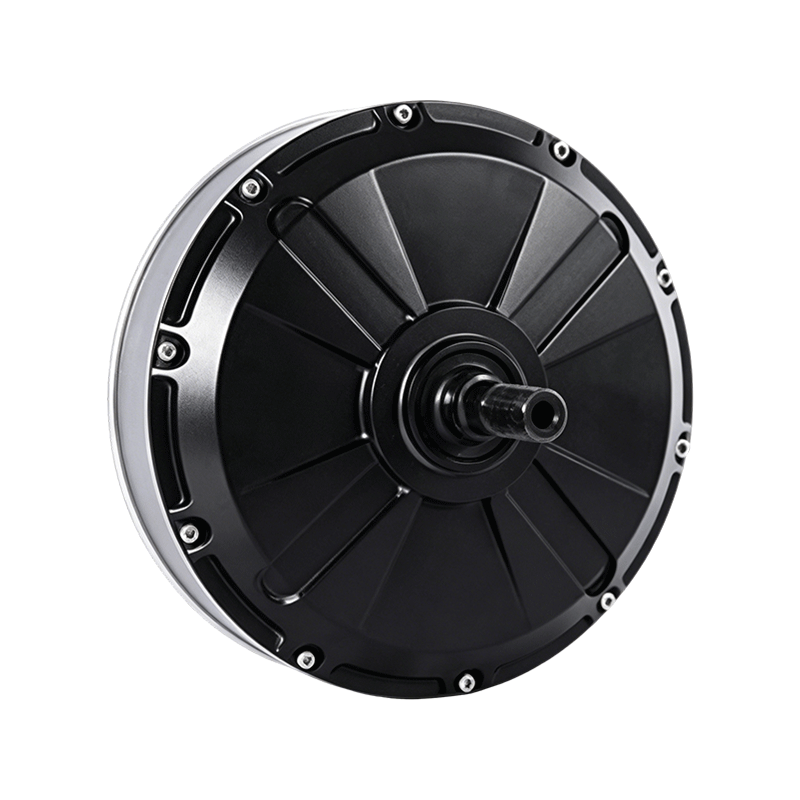
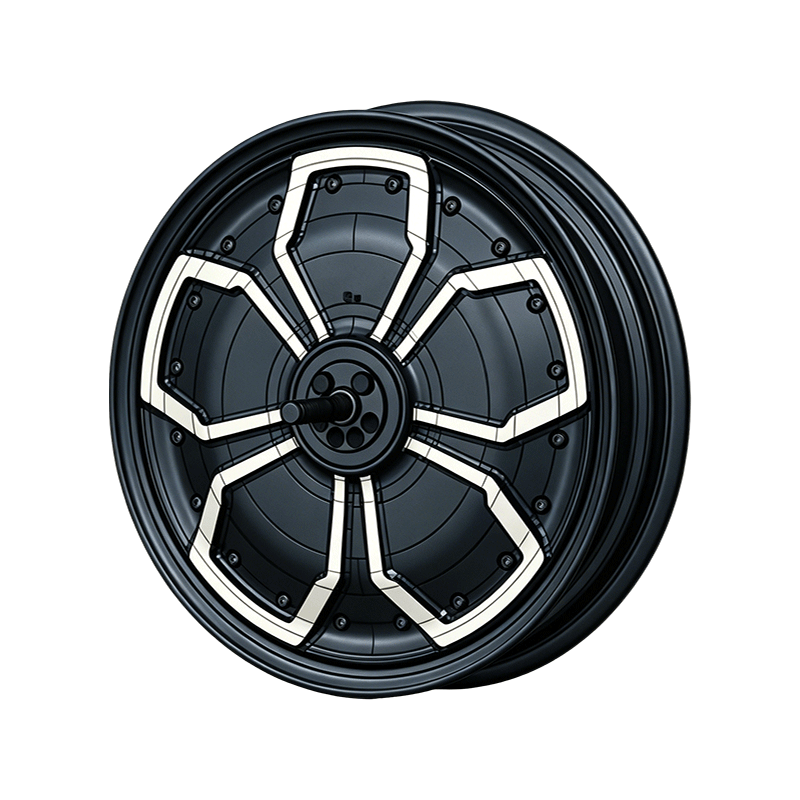
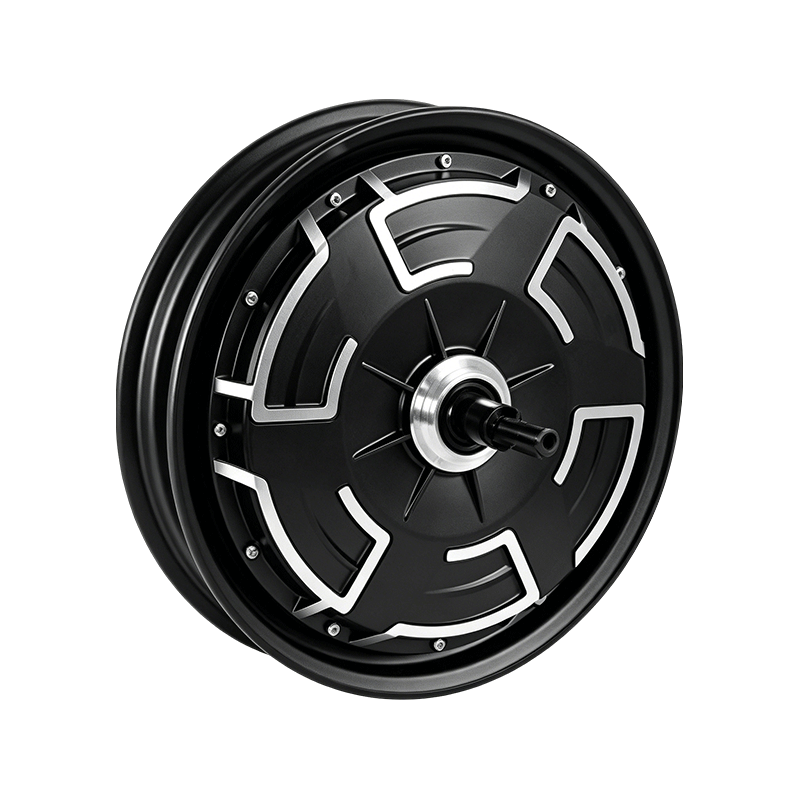
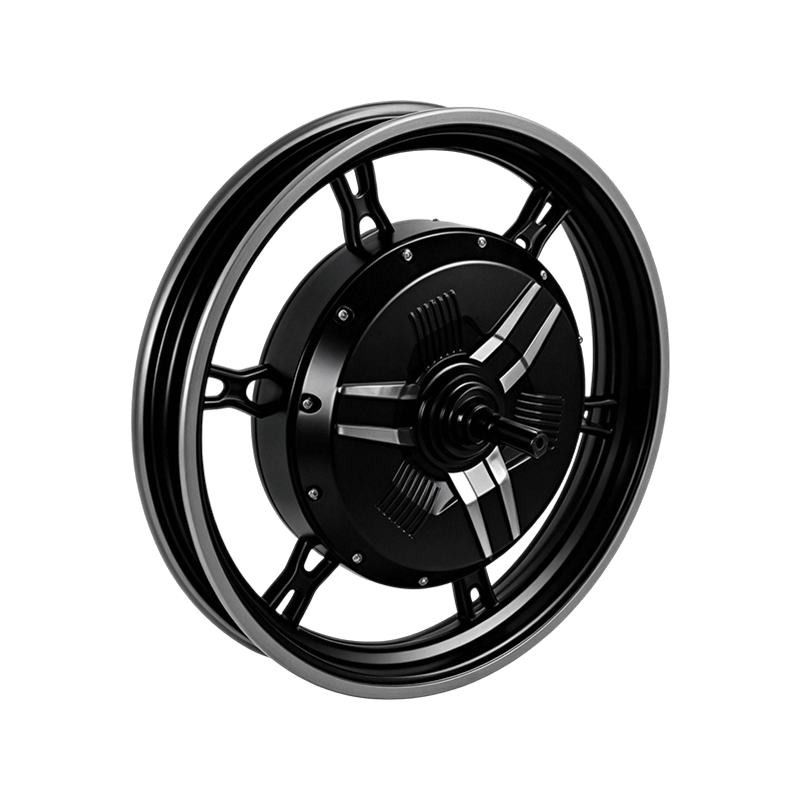
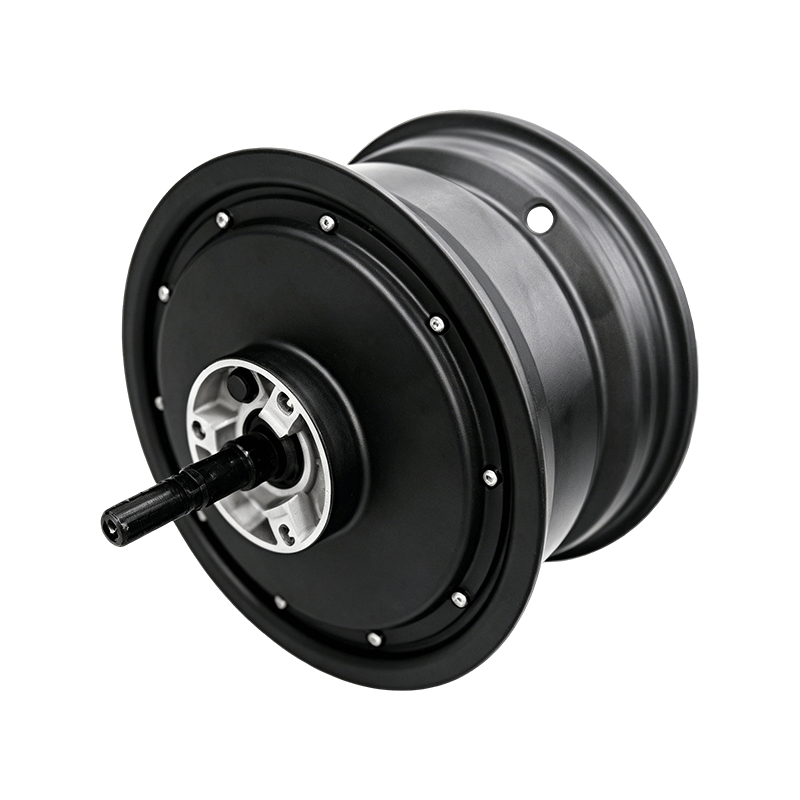
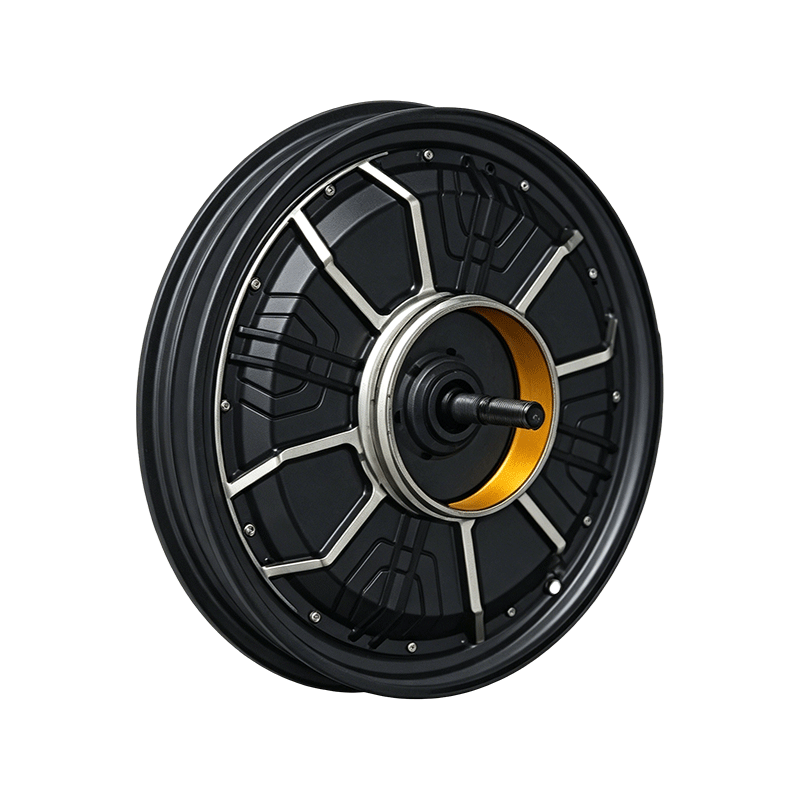
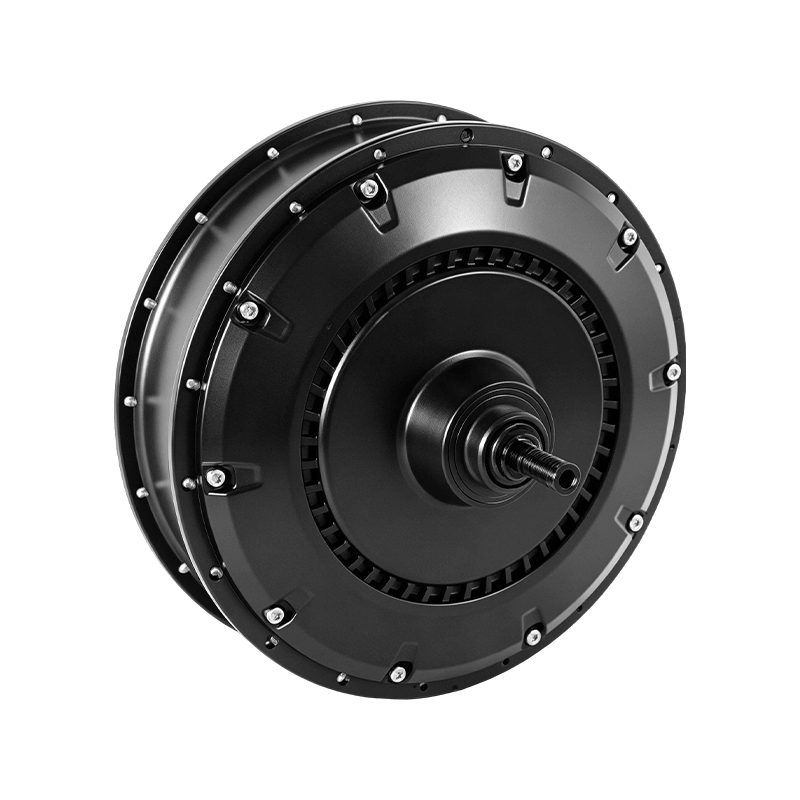
Hub motors are installed inside the bicycle wheel hub. This design integrates the motor directly with the wheel assembly, creating a compact structure that is widely used in many e-bike models. Hub motors can be designed for front-wheel or rear-wheel installation depending on the bicycle configuration.
Mid-drive motors are positioned near the bicycle crank area. This structure connects the motor power with the bicycle drivetrain, allowing the motor to work together with the gear system. Mid-drive solutions are often selected for applications that require balanced weight distribution and flexible riding performance.
The selection of motor type depends on bicycle design, intended usage, and manufacturing requirements. Electric bicycle motor manufacturers usually develop different product lines to match various market needs.
Manufacturing Process Behind E-bike Motors
Producing electric bicycle motors requires multiple precision manufacturing steps. The process usually begins with the preparation of motor components, including stators, rotors, magnets, shafts, and housings.
The stator contains copper windings that create electromagnetic fields when electrical current passes through them. The rotor interacts with these magnetic fields to generate rotational movement. The accuracy of component assembly affects motor efficiency and operating stability.
Motor housing production is another important part of manufacturing. Aluminum alloys are commonly used because they provide a balance between strength and weight. The housing helps protect internal components and supports heat dissipation during operation.
After assembly, manufacturers perform functional checks on motor systems. Testing procedures may include rotational operation, electrical performance evaluation, temperature monitoring, and noise assessment. These steps help ensure that motors meet the required design specifications before integration into bicycles.
Technology Development in Motor Design
Electric bicycle motor manufacturers continue to improve motor structures through advancements in engineering and production methods. Modern motor designs often include sensors, controllers, and electronic systems that improve communication between the motor and bicycle components.
Torque sensors and speed sensors are common technologies used in e-bike systems. These sensors collect riding information and allow the controller to adjust motor assistance according to different conditions.
Motor control systems have also become an important research area. Manufacturers develop software and hardware solutions that manage power delivery, energy usage, and riding response. These improvements help create smoother interactions between riders and electric drive systems.
Material innovation is another area of attention. Lightweight materials, improved magnetic components, and refined manufacturing techniques contribute to changes in motor size, structure, and overall system design.
Global Supply Chain and OEM Manufacturing Needs
Many electric bicycle motor manufacturers provide OEM and ODM services for bicycle brands and component suppliers. These services allow companies to customize motor specifications based on bicycle frames, battery systems, and target markets.
OEM cooperation often involves communication about motor dimensions, mounting methods, cable arrangements, controller compatibility, and appearance design. Manufacturers need to coordinate different components because an electric bicycle system includes the motor, battery, controller, display, and mechanical structure.
The international e-bike market includes various product categories, creating demand for different motor solutions. Manufacturers with flexible production capabilities can support applications ranging from city bicycles to specialized electric vehicles.