

 English
 中文简体
中文简体For riders who already own a bicycle they love but want a boost of electric power, hub motor kits offer a straightforward path forward. Rather than buying an entirely new e-bike, a hub motor kit lets someone convert an existing frame into a motorized ride, keeping the bike they're used to while adding pedal assist or throttle-based power.
What's Included in a Typical Kit
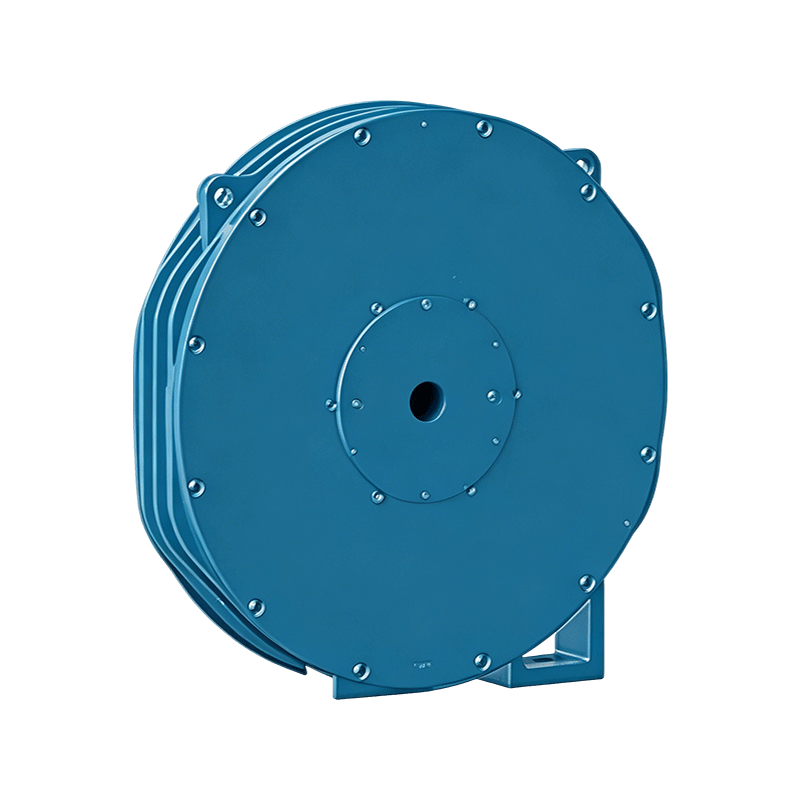
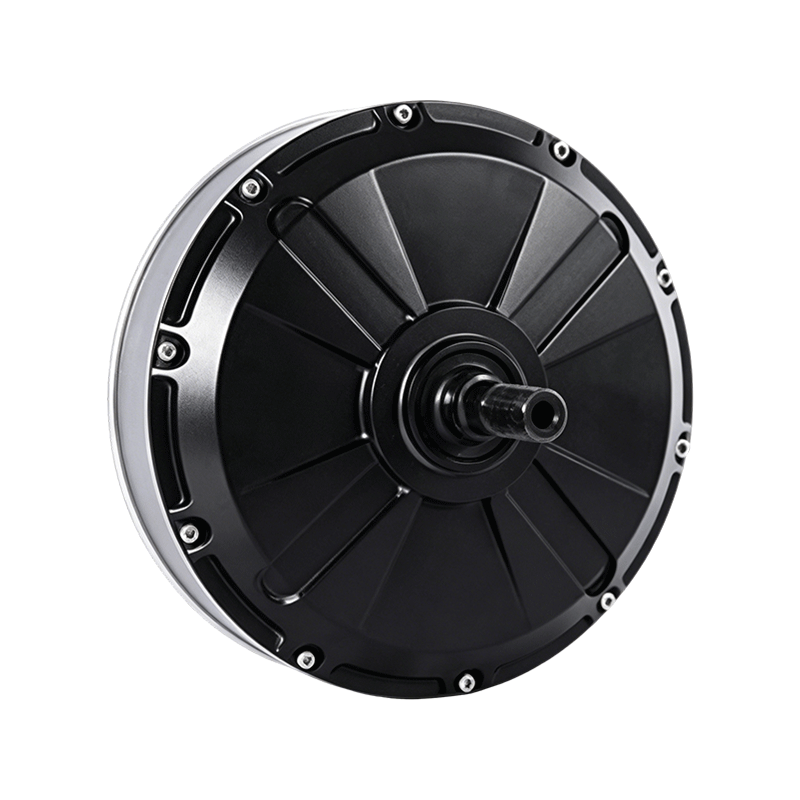
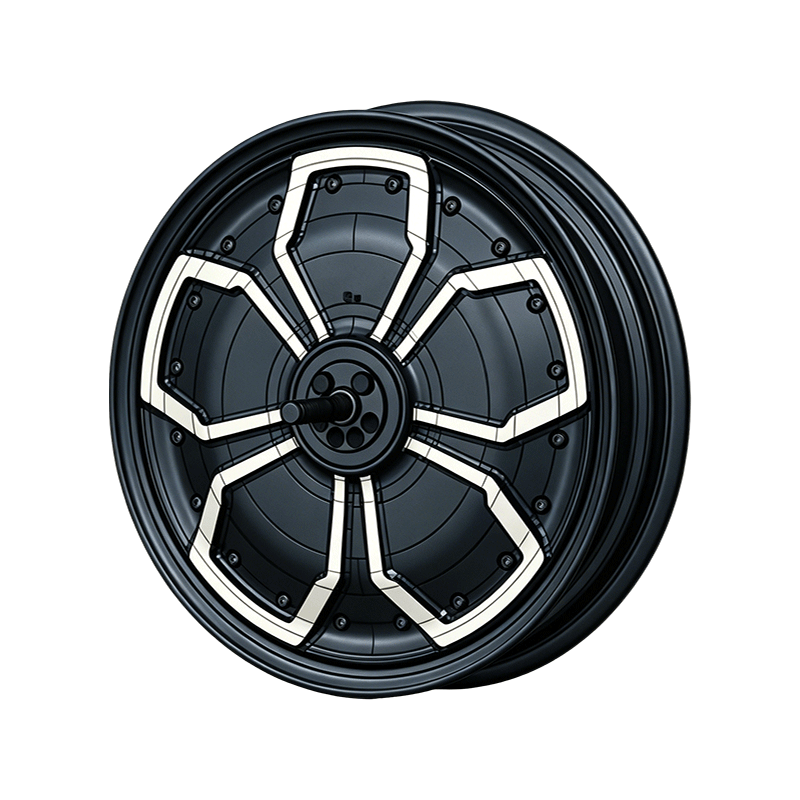
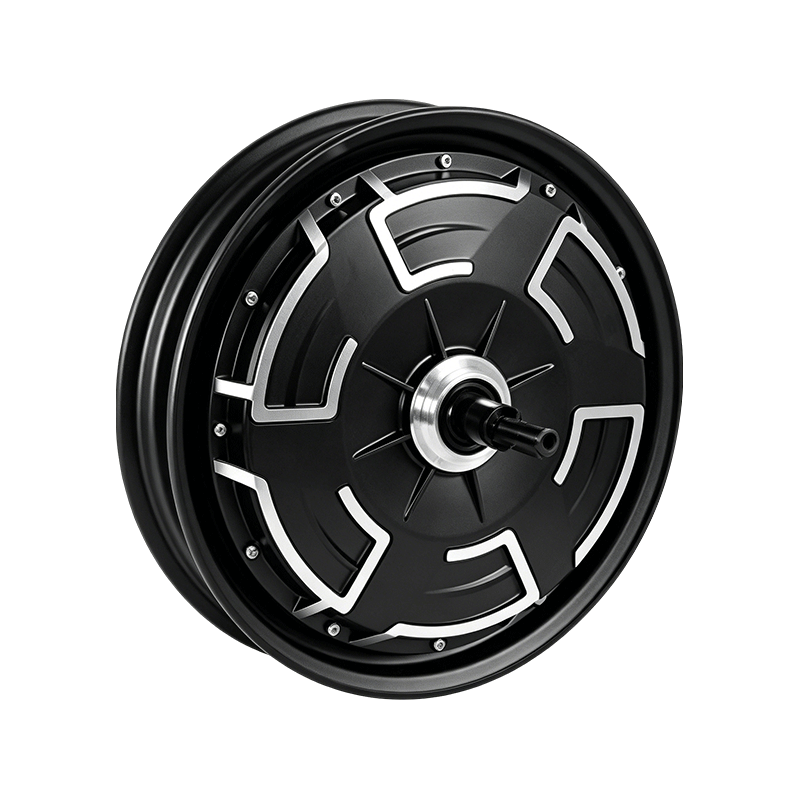
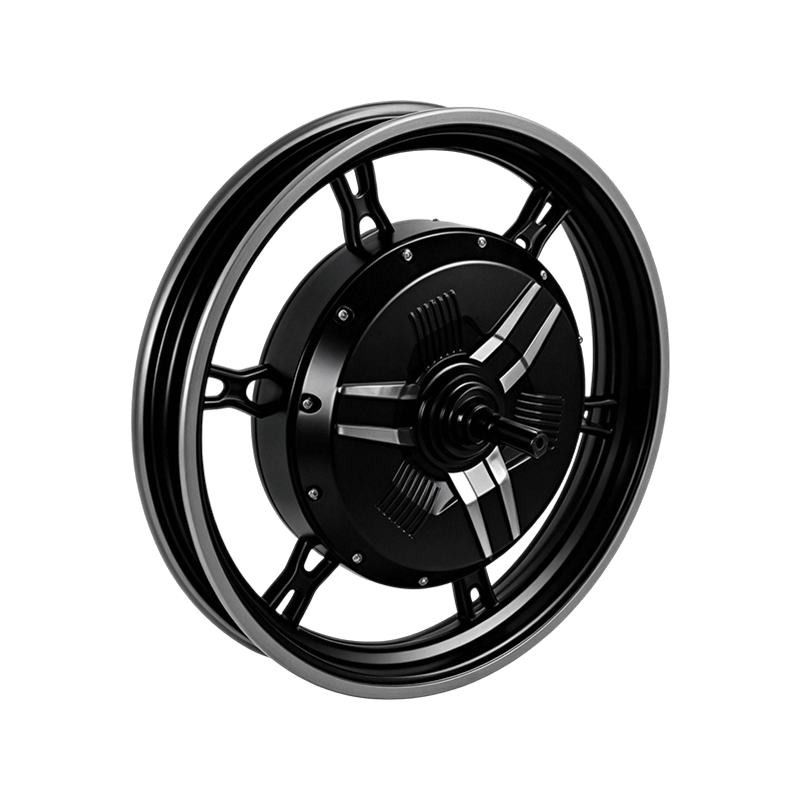
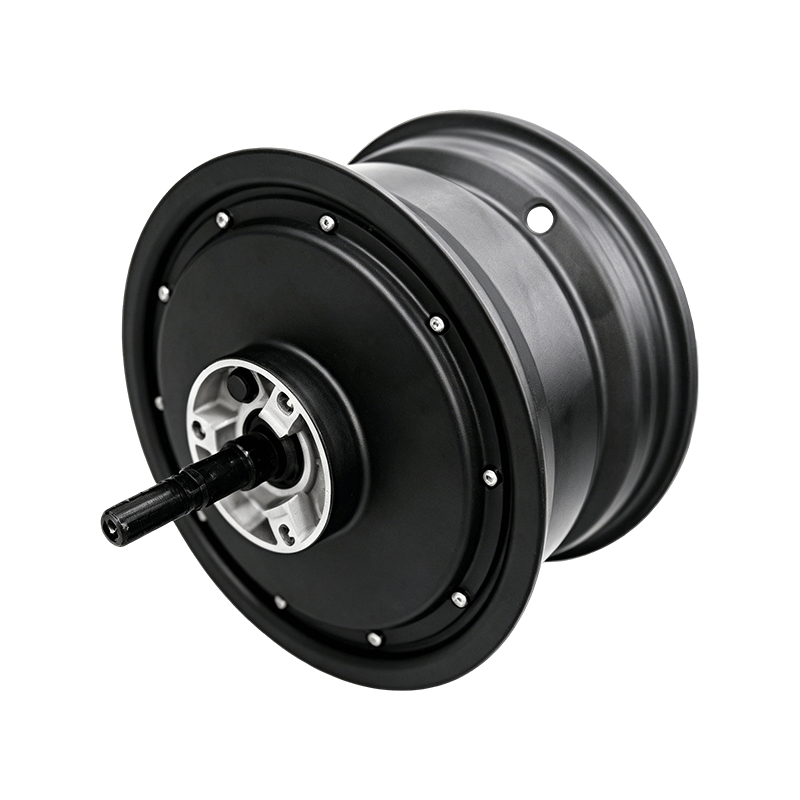
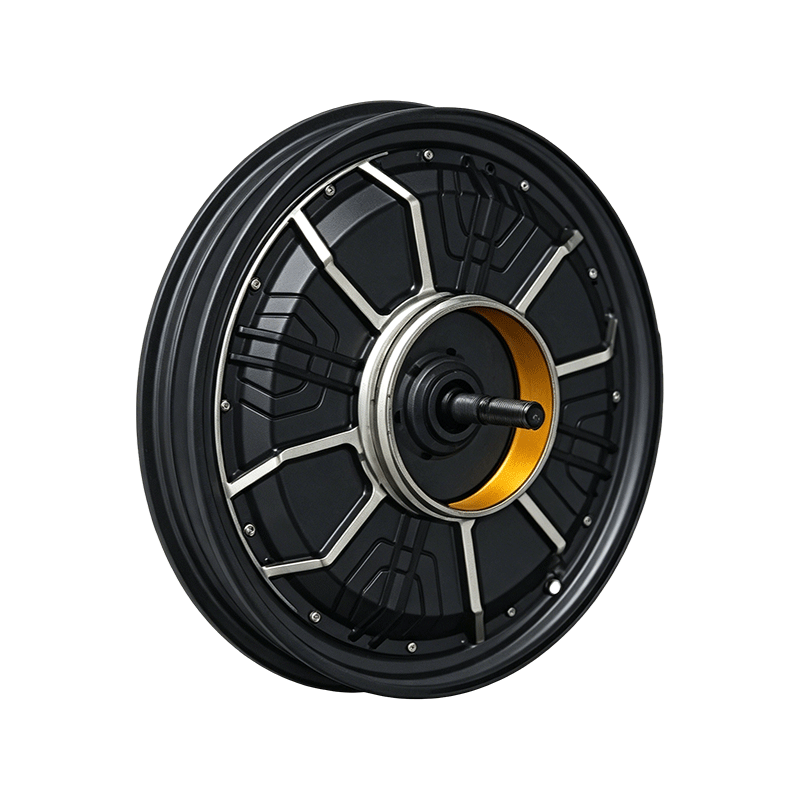
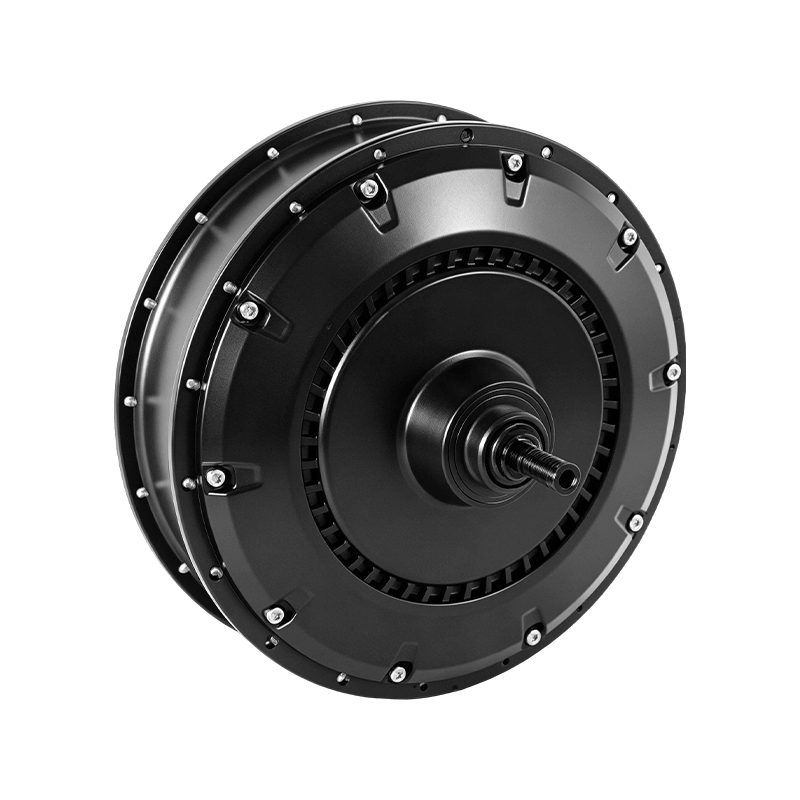
A standard hub motor kit centers around a motorized wheel hub, which replaces either the front or rear wheel of the bicycle. Beyond the hub itself, kits usually include a controller, a battery pack, a display or control panel, wiring harnesses, and sometimes a pedal-assist sensor. Some kits arrive with the motor already laced into a rim, ready to bolt on, while others require the buyer to build the wheel themselves using their own rim and spokes.
Front-Wheel vs Rear-Wheel Setups
One of the decisions buyers face is whether to choose a front hub motor or a rear hub motor. Front hub kits are often easier to install, since they don't interfere with the bike's existing gearing or chain system. Rear hub kits tend to offer more balanced weight distribution and better traction, particularly on inclines or loose surfaces, since more of the rider's weight naturally sits over the rear wheel. Neither option is universally better; the right choice depends on the bike's frame, intended use, and the rider's comfort with installation.
Motor Power and Riding Feel
Hub motor kits come in a range of power outputs, typically measured in watts, and this figure has a direct effect on how the bike feels to ride. Lower-wattage motors tend to suit flat commuting routes and casual riding, offering smooth assistance without overwhelming the pedaling experience. Higher-wattage motors provide stronger torque, which can help with hill climbs or carrying extra cargo, though they also draw more from the battery and may require a sturdier frame to handle the added stress.
Battery Compatibility and Range Factors
Battery packs paired with hub motor kits vary by voltage, amp-hour rating, and mounting style, with options that clip onto the frame, sit in a rear rack, or tuck into a downtube-style casing. Range depends on several factors working together, including battery capacity, motor wattage, terrain, and how much the rider relies on throttle versus pedal assist. Buyers sourcing kits for resale or fleet use often ask about compatibility between specific battery voltages and controller specs, since mismatched components can affect performance.
Installation Considerations for Buyers
Installing a hub motor kit generally involves swapping out a wheel, mounting the battery and controller, and connecting the wiring to a display unit on the handlebars. While many kits are designed for home installation with basic tools, frame compatibility matters — disc brake mounts, dropout width, and axle type all need to line up with the kit being used. This is a common area where buyers request technical specifications upfront, particularly when sourcing kits for a specific bike model or a batch of mixed frame types.
A Flexible Option for Electrifying Existing Bikes
Hub motor kits continue to appeal to riders and businesses looking for a practical middle ground between a traditional bicycle and a full e-bike purchase. By separating the motor system from the frame itself, these kits give buyers room to customize power levels, battery size, and wheel placement based on how and where the bike will actually be ridden.