

 English
 中文简体
中文简体What a Hub Motor Kit Actually Includes
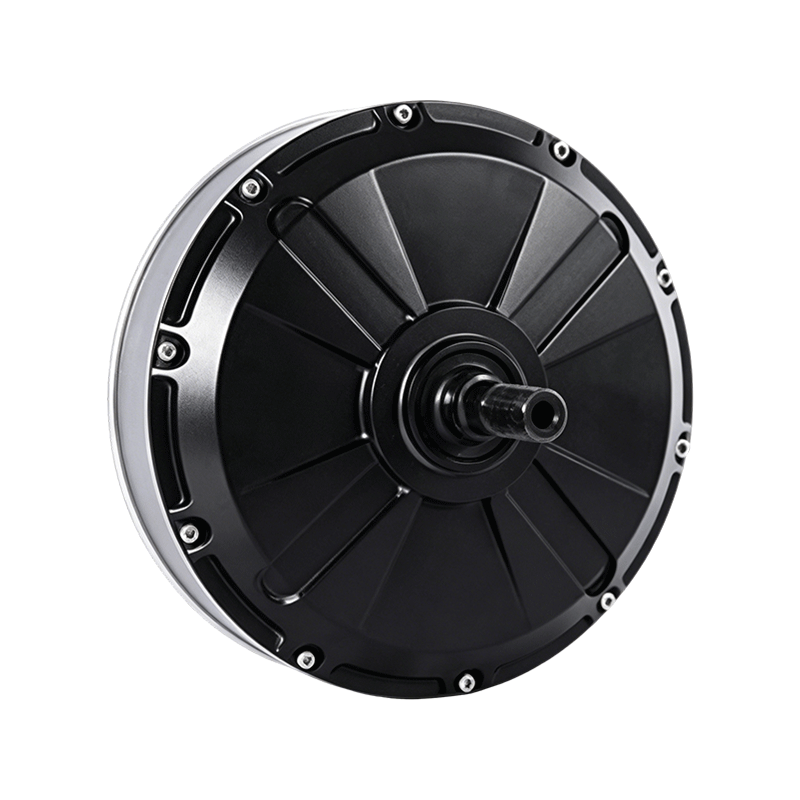
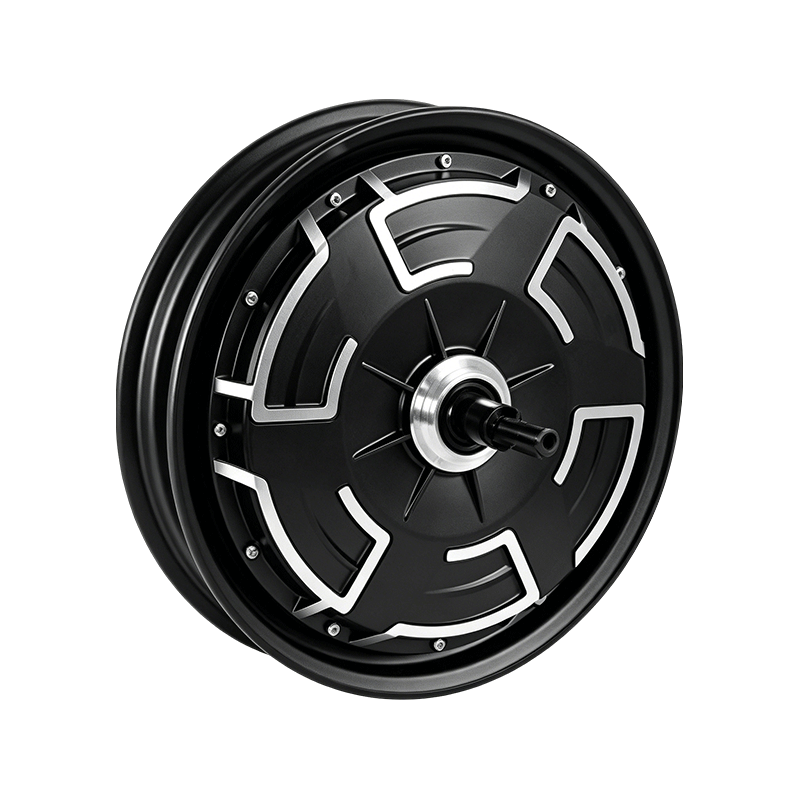
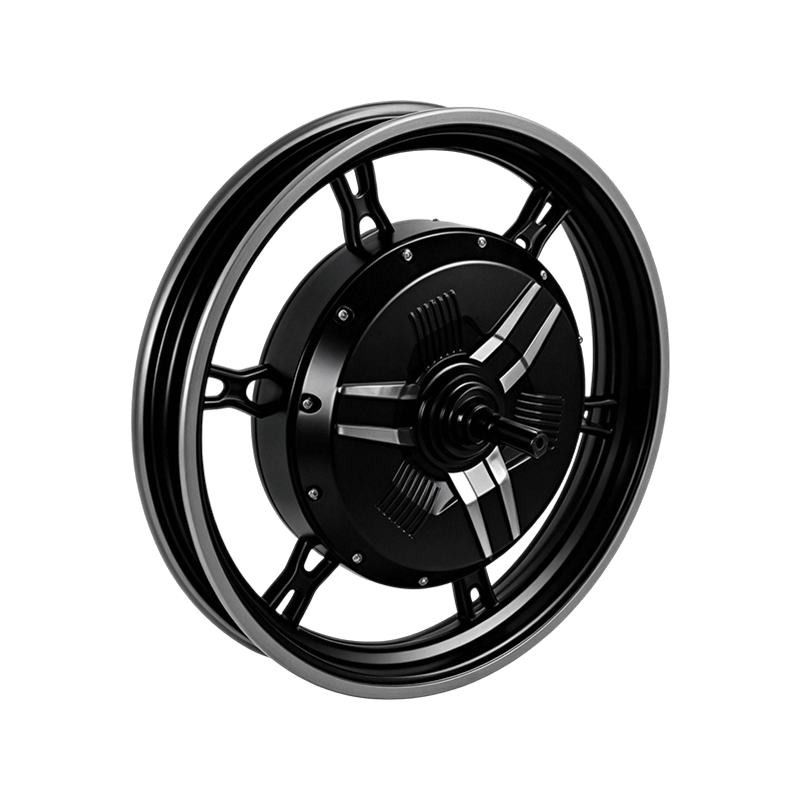
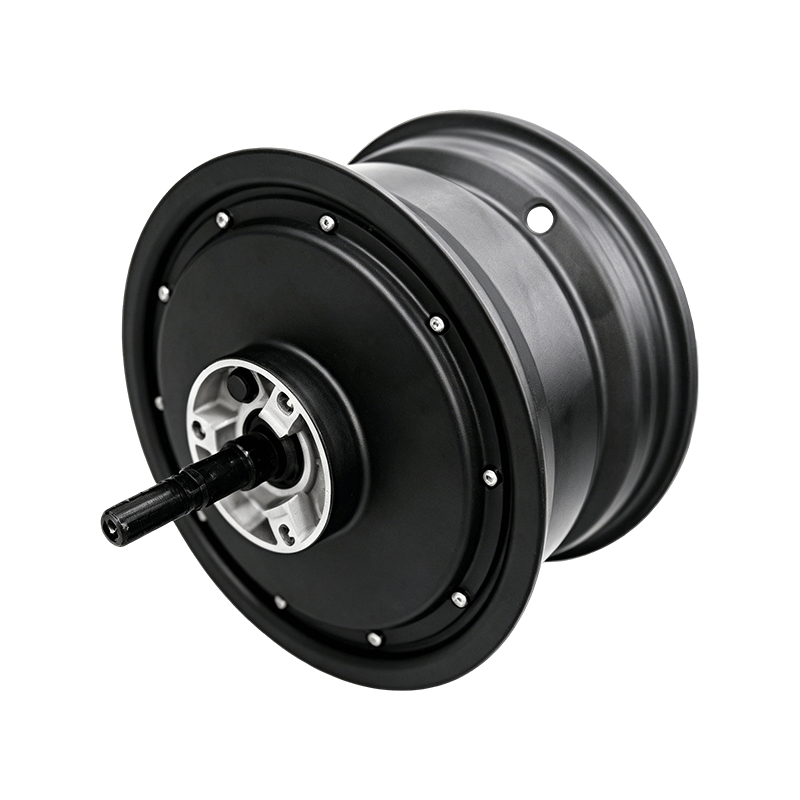
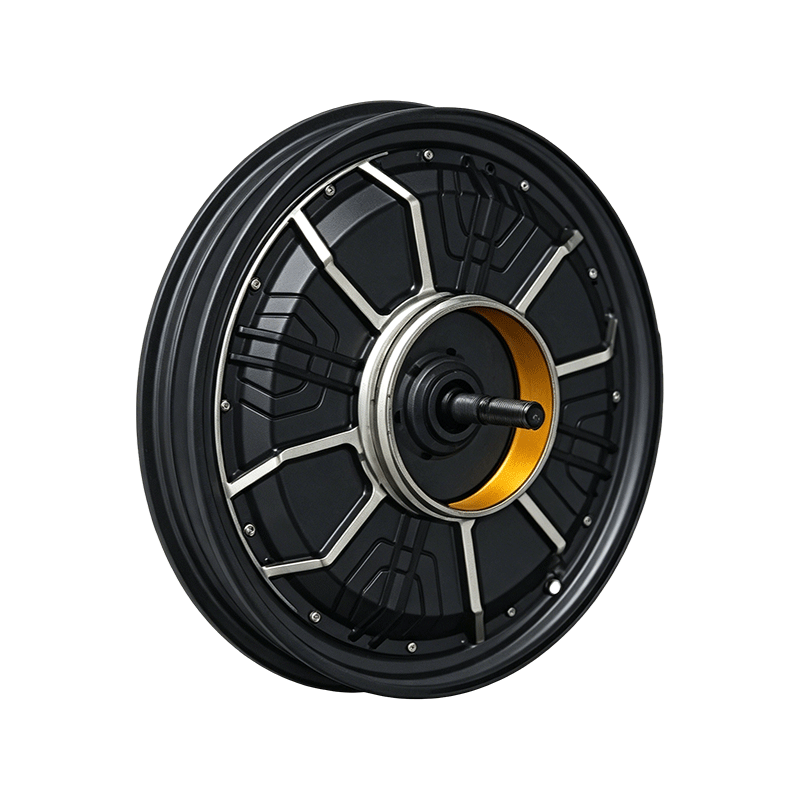
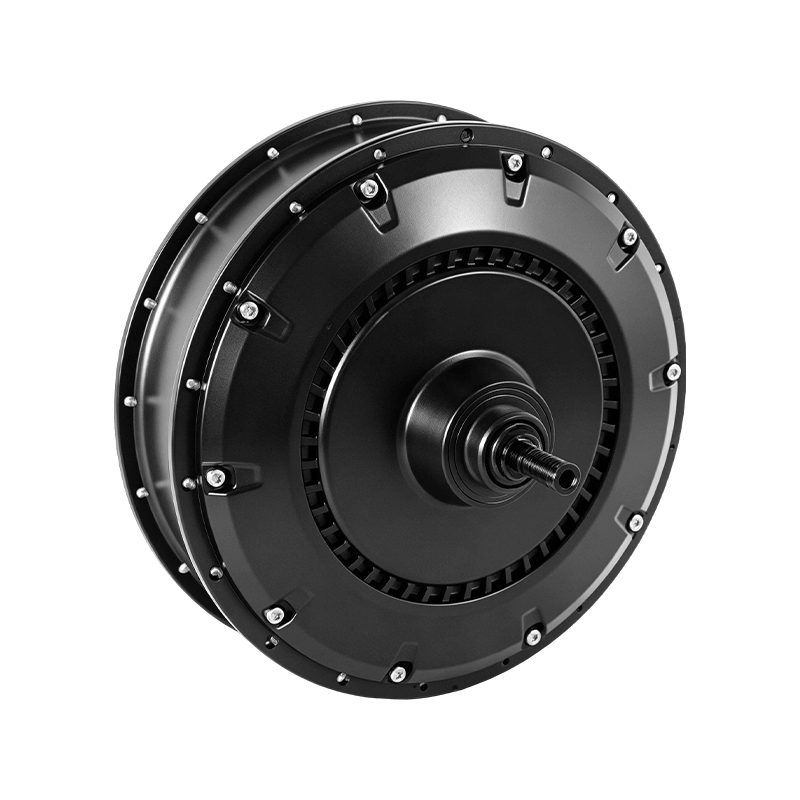
A hub motor kit is a packaged assembly that allows a conventional wheel-based vehicle — typically a bicycle, scooter, or light electric vehicle — to be converted to electric drive without replacing the entire drivetrain. The kit is built around the hub motor itself, which integrates the electric motor directly into the wheel hub, eliminating the need for a separate chain, belt, or shaft drive. A standard kit typically ships with:
- The hub motor laced into a rim or supplied as a bare motor
- A motor controller sized to match the motor's voltage and current rating
- A throttle and, in many configurations, a pedal-assist sensor
- Wiring harness and connectors
- A mounting bracket or dropout adapter where required
Hub motor kits Factories producing these kits assemble components to a defined specification, allowing buyers to install a complete electric drive system without sourcing parts individually. The degree of integration varies — some kits are tightly matched and plug together directly, others require more configuration on the installer's end.
How Hub Motor Kits Factories Are Structured
Manufacturing facilities that produce hub motor kits tend to operate as integrated assembly operations rather than pure fabricators. Motor winding, stator assembly, and rotor machining are often handled in-house, while controllers, displays, and wiring looms may be sourced from specialist suppliers and brought together on the same production floor. This structure gives factories control over motor quality while keeping component costs competitive through volume purchasing.
Production capacity at established facilities runs from tens of thousands to hundreds of thousands of units annually, depending on the factory's floor space, automation level, and workforce size. Factories targeting the export market typically maintain separate quality inspection lines, where motors are run under load before shipping to catch winding faults, bearing noise, or controller pairing issues before the product leaves the facility.
Motor Types Produced Across Kit Categories
Hub motor kits factories produce across several motor configurations, each suited to different vehicle types and performance requirements:
- Geared hub motors use an internal planetary gear reduction to allow a smaller, lighter motor to produce usable torque at lower speeds. These are common in city e-bike kits where weight and rolling resistance matter.
- Direct-drive hub motors connect the motor windings directly to the wheel without gearing. They are heavier but handle higher sustained loads and are frequently used in cargo bike and scooter applications.
- Mid-drive adjacent rear hub kits position a larger motor in the rear wheel and pair it with torque sensors, approximating the feel of a mid-drive system without the mechanical complexity of a bottom bracket motor.
Voltage ranges across kit categories typically span 24V to 72V, with power outputs from 250W for compliant urban e-bike builds up to 3000W and beyond for performance or commercial applications.
What Buyers Source From Hub Motor Kits Factories
Procurement patterns vary considerably depending on the buyer's business model. Distributors and wholesalers typically purchase in container quantities, selecting from a factory's standard catalog of kits. OEM customers work directly with factory engineering teams to specify motor winding configurations, controller firmware parameters, and branding requirements. A third category — small assembly shops and conversion specialists — buys in mixed pallets, combining different motor sizes and controller variants to serve a range of end customers without committing to a single configuration.
Factories with flexible low-order quantities have expanded their accessible buyer base considerably. Where earlier production runs required large upfront commitments, a number of factories now accommodate smaller initial orders with the expectation of volume growth as the buyer's market develops. Lead times vary by order size and customization level, with standard catalog kits generally shipping faster than modified or branded configurations.
Specifications That Affect Sourcing Decisions
When evaluating hub motor kits factories, buyers typically focus on a defined set of technical and commercial parameters:
- IP rating of the motor and controller, which determines suitability for wet or dusty operating conditions
- Connector standardization, since non-standard connectors complicate field service and parts replacement
- Controller programmability, including whether the unit supports PC-based configuration tools or is fixed at the factory
- Spoke hole count and rim compatibility, which affects how broadly the kit can be installed across different wheel builds
- Certifications such as CE, UN38.3, or regional road compliance marks required for the target market
Price per unit is rarely the only variable in sourcing decisions at this level. Hub motor kits Factories that can provide consistent batch-to-batch quality, reliable documentation, and responsive communication on technical questions tend to retain buyers across multiple order cycles, while those competing on price alone often see higher buyer turnover.