

 English
 中文简体
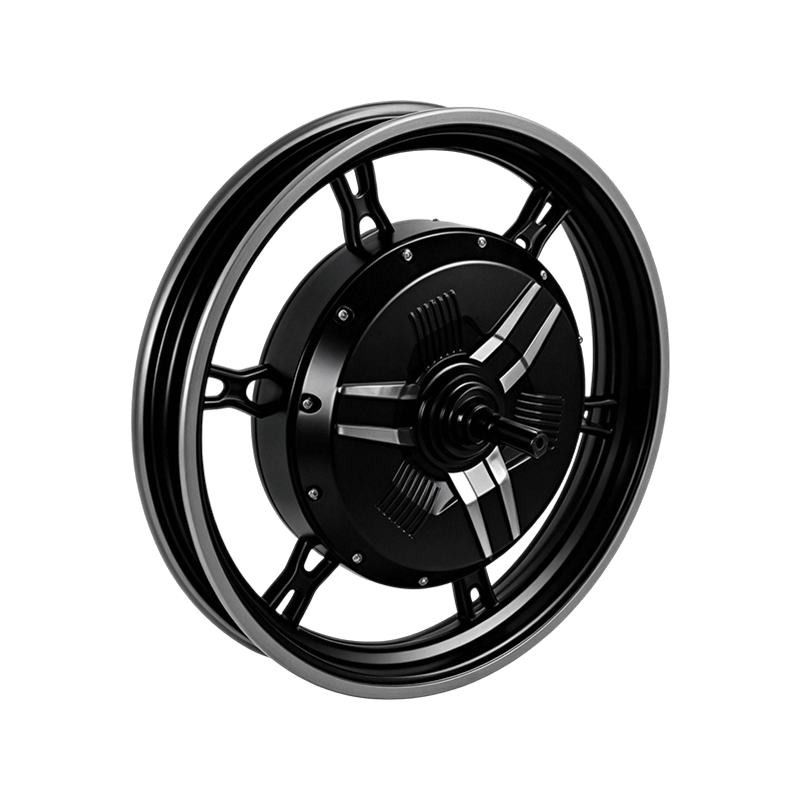
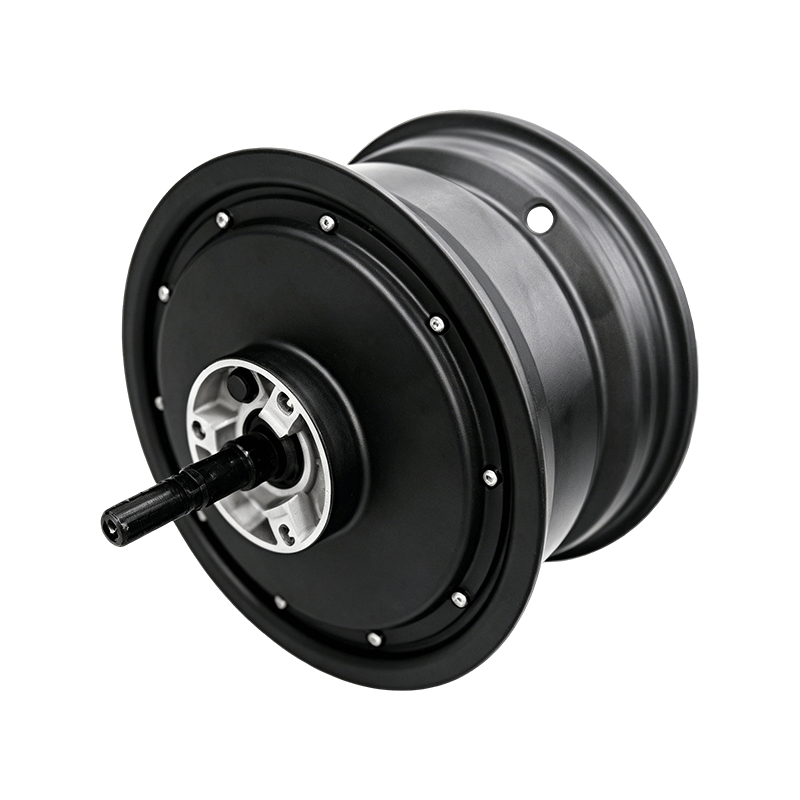
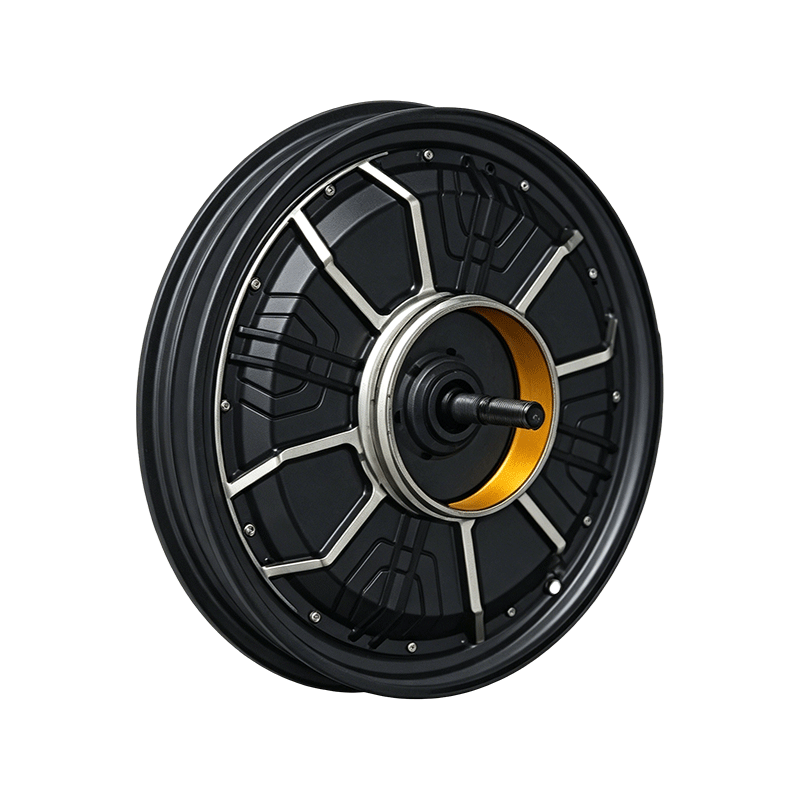
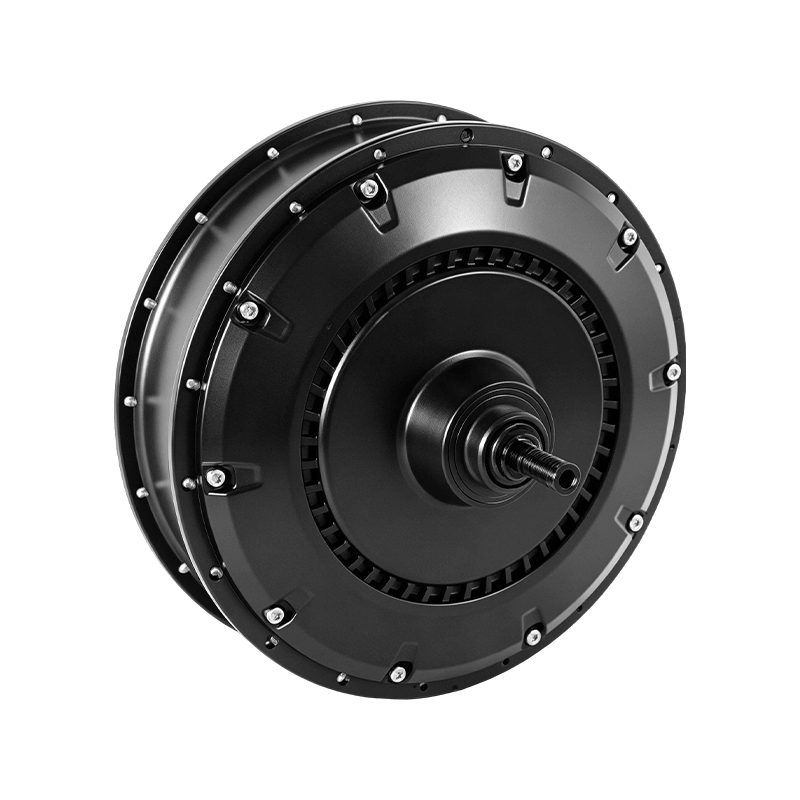
中文简体Pick up almost any electric bicycle, scooter, or light EV and there's a reasonable chance the motor driving it came from a hub motor manufacturer you've never heard of. That's not a criticism — it's just how the supply chain works. Hub motors tend to be sourced quietly, branded over by the vehicle maker, and rarely talked about in the marketing. But the manufacturer behind that motor has an enormous influence on how the final product actually performs. Power delivery, heat tolerance, noise, weight — all of it traces back to decisions made on the factory floor, long before the bike or scooter reached a showroom.
What Hub Motor Manufacturers Actually Produce
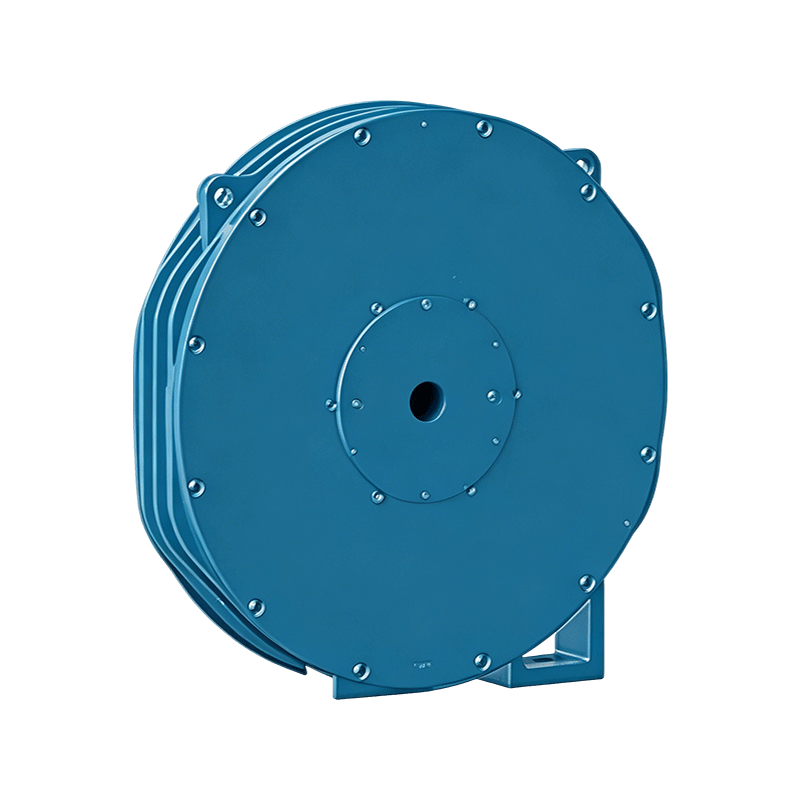
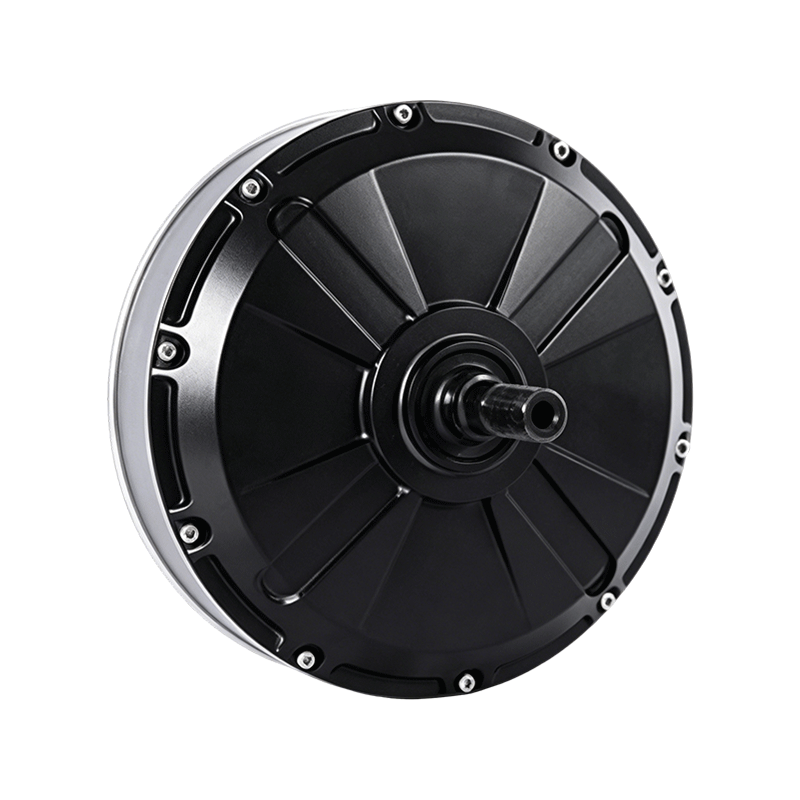
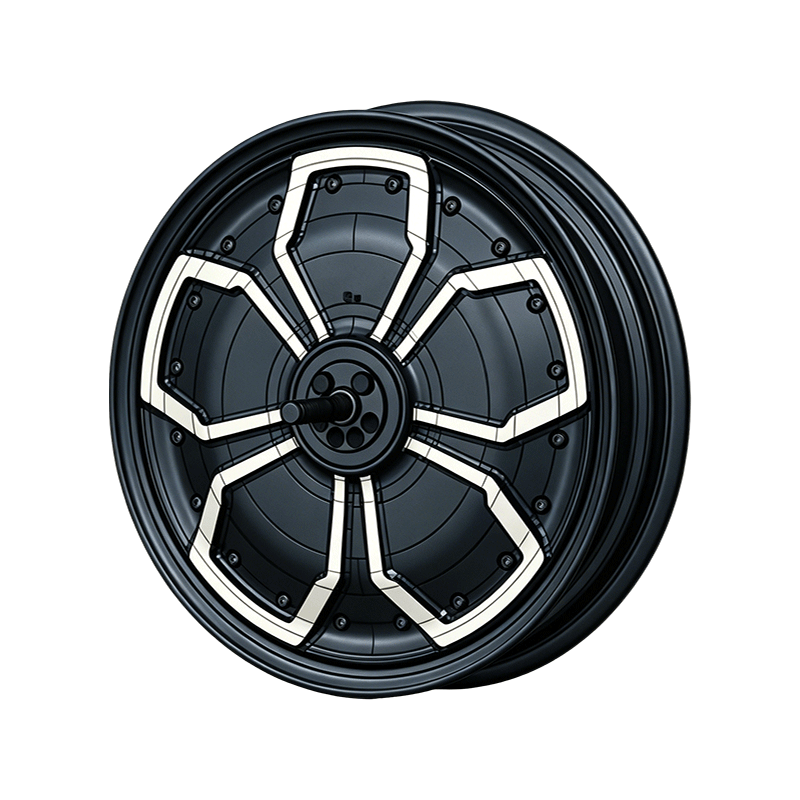
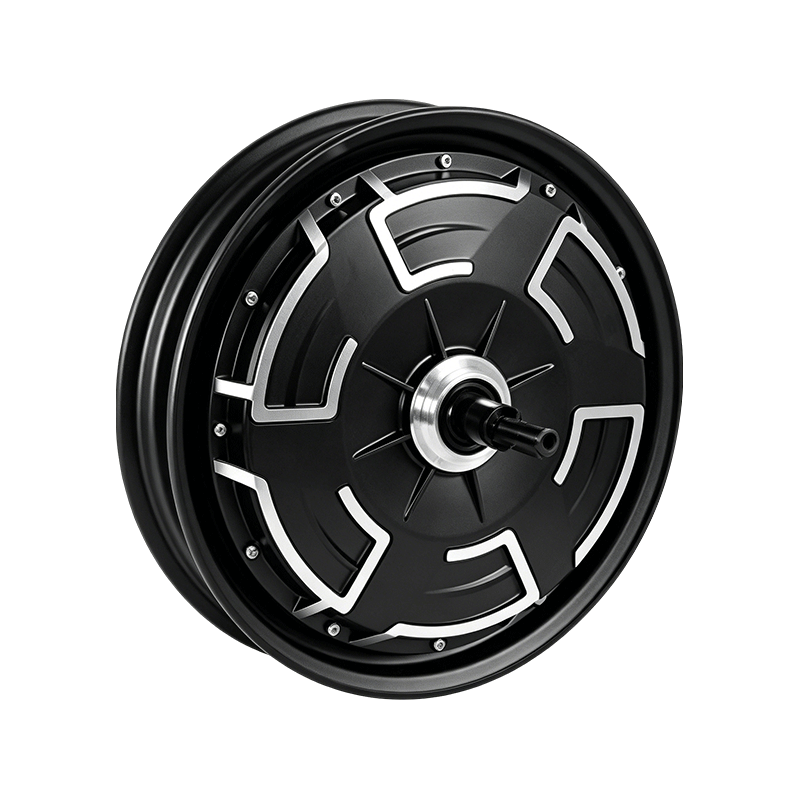
The term "hub motor manufacturer" covers a wider range of operations than it sounds. At one end, you have large integrated factories — primarily in China's Guangdong and Jiangsu provinces — that produce motors by the hundreds of thousands annually, supplying OEM parts to e-bike brands worldwide. At the other end are smaller specialty manufacturers building lower volumes of high-torque motors for cargo bikes, electric motorcycles, or custom EV applications where off-the-shelf specs won't do the job.
What they all share is the core manufacturing challenge: building a motor compact enough to fit inside a wheel hub while still delivering adequate torque, managing heat effectively, and surviving years of mechanical stress. That's genuinely difficult engineering, and the gap between manufacturers who get it right and those who cut corners shows up clearly in real-world use — usually within the six months of heavy riding.
How Manufacturers Differentiate on Quality
Walk through a hub motor factory and the quality differences become tangible fast. Winding quality — how precisely copper wire is wound around the stator — has a direct effect on efficiency and heat generation. Loose or inconsistent winding wastes energy and runs hotter. Bearing selection is another tell: cheap sealed bearings feel fine initially and degrade quickly under load; better-grade bearings from known suppliers hold tolerance over tens of thousands of kilometers. Magnet grade matters too — higher-grade neodymium magnets hold their strength across a wider temperature range, which matters on long climbs or in hot climates.
Testing protocols separate manufacturers as well. Some run motors through thermal cycling, vibration testing, and ingress protection validation before shipping. Others rely on basic spin tests and visual inspection. That gap doesn't always show up in the spec sheet — but it shows up in warranty claim rates and forum complaints about premature failures.
What Buyers and Builders Should Know
For someone buying a finished e-bike, the manufacturer behind the hub motor is rarely disclosed upfront. Digging into the model number stamped on the motor housing — or asking the brand directly — can tell you a lot. Builders and engineers sourcing motors directly have more control: they can request detailed spec sheets, ask about winding options, and compare thermal ratings across suppliers before committing to a volume order.
Hub motor manufacturers don't get much public attention. But the decisions they make — about magnets, windings, bearings, and testing — quietly determine whether an electric vehicle feels solid and capable or starts causing problems after the hard season of use.