

 English
 中文简体
中文简体Key Performance Metrics That Riders and Buyers Should Understand
Spec sheets can mislead as easily as they inform. A few figures genuinely matter for predicting how an Electric two-wheeler Motor will behave in daily use; others are marketing numbers that rarely translate into noticeable riding differences.
Power output, expressed in watts or kilowatts, sets the ceiling on what the motor can do. A 250W unit is adequate for flat urban riding at moderate speeds. Step up to the 3kW–10kW range and you're looking at vehicles that can handle highway speeds or meaningful hill climbing. The catch is that more power pulls harder on the battery, so range and power are always in tension with each other.
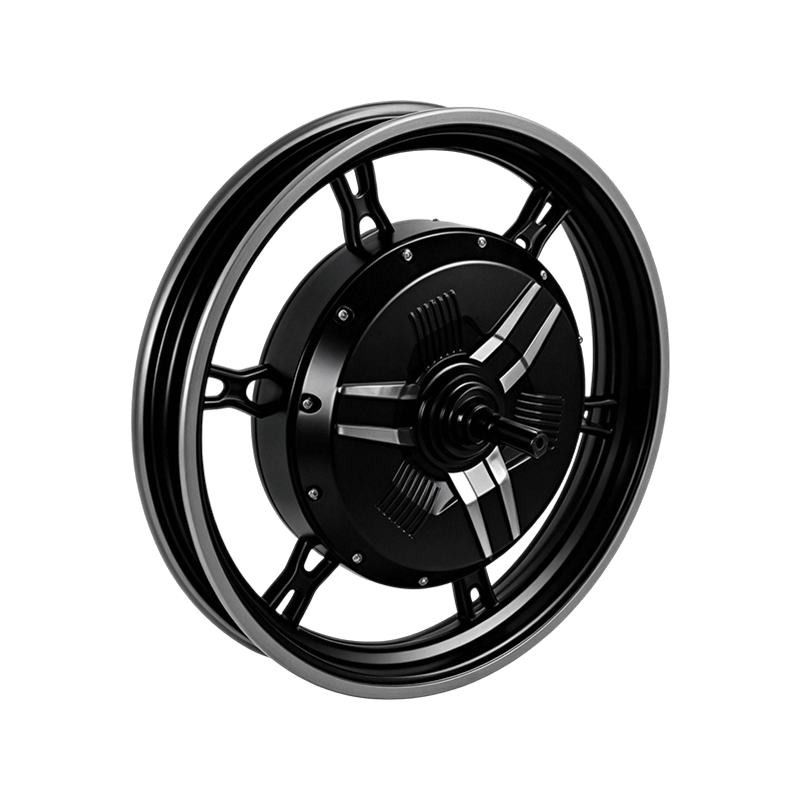
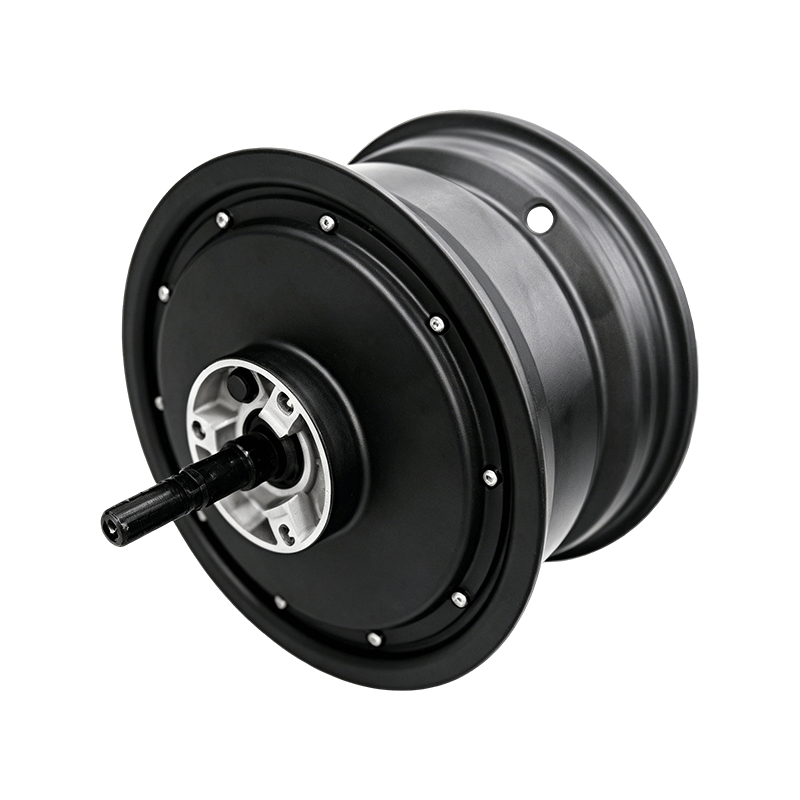
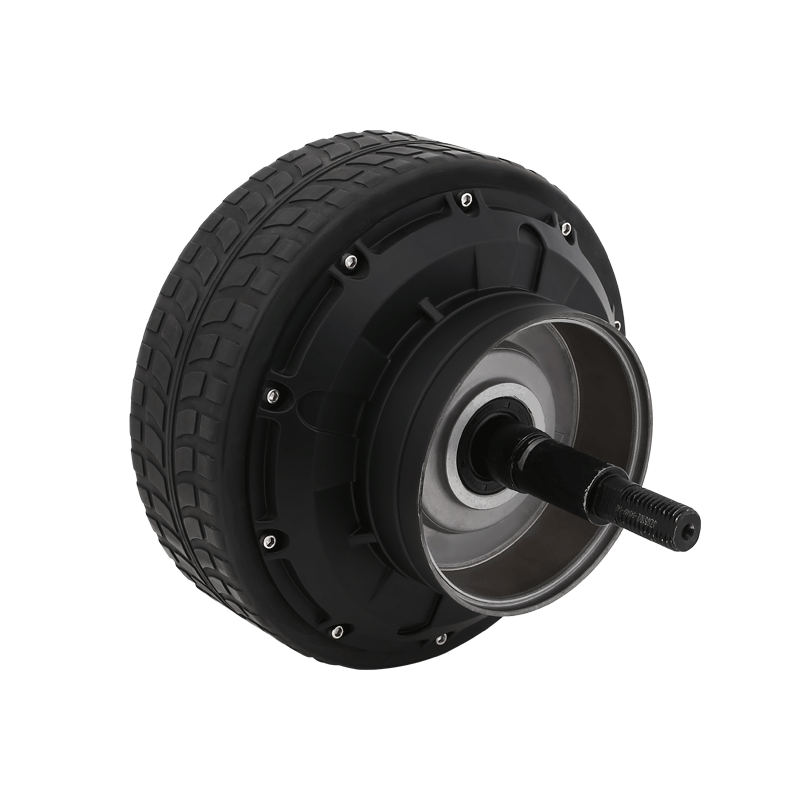
Torque matters more than power for city riding. Strong low-speed torque is what gets a scooter moving cleanly from a stoplight or climbing a ramp without the motor laboring. Hub motors generally produce high torque at low speeds, which suits the start-stop rhythm of urban traffic reasonably well.
A few other specifications worth paying attention to:
- Motor efficiency (%): Well-engineered BLDC and PMSM motors typically fall in the 85–92% efficiency range under controlled conditions. Real-world numbers drop somewhat depending on load, speed, and temperature.
- IP rating: This tells you how well the motor is protected against dust and water. IP65 handles rain and road splash. IP67 means the motor can tolerate brief submersion — relevant if you're riding in cities where flooding is a seasonal reality.
- Voltage architecture: 48V systems are standard across much of the affordable segment. Higher-voltage 60V and 72V setups deliver more power without proportionally increasing current, which reduces heat and puts less strain on wiring and connections over time.
Market Trends Shaping the Electric Two-Wheeler Motor Industry
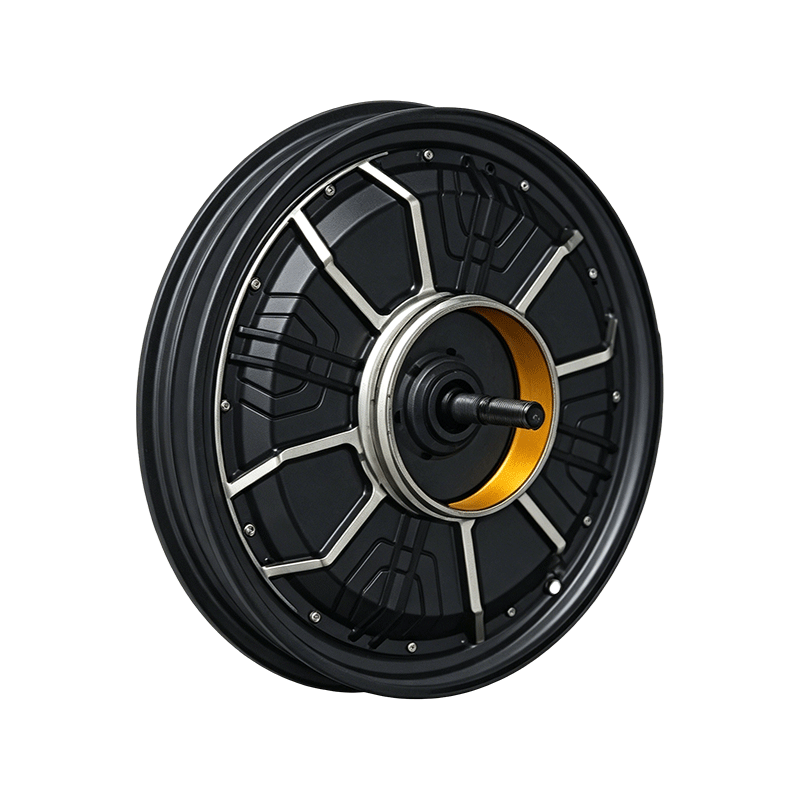
A few developments are reshaping how motors get designed and sold. Integrated motor controllers — where the motor and its control electronics are packaged as a single assembly — are replacing the traditional approach of mounting a separate controller elsewhere on the vehicle. Fewer connectors and shorter wiring runs mean fewer failure points, which matters a lot for vehicles that spend years in variable weather conditions.
Regenerative braking has also made a quieter transition from premium feature to standard inclusion. The underlying technology hasn't changed dramatically; what changed is that the component cost dropped enough to make it a reasonable inclusion even in mid-range models. On hilly routes or in heavy stop-and-go traffic, regeneration adds a few percentage points back to real-world range — not transformative, but not nothing either.
Maintenance, Longevity, and What Owners Should Actually Pay Attention To
One of the genuine selling points of an electric motor over a combustion engine is that the maintenance list is short. No oil changes, no spark plugs, no fuel injectors. For a lot of riders, that simplicity is almost as appealing as the lower running costs.
That said, a short maintenance list isn't the same as no maintenance list. Heat accumulation is the issue that shortens motor life faster than anything else. Hub motors are particularly exposed here because they have limited surface area for passive cooling and no airflow through the housing when the vehicle is stationary. Long climbs at full throttle, heavy cargo loads, and sustained high-speed riding all push motor temperature up in ways that gradually degrade winding insulation. Riders who use their scooters for delivery work or regularly tackle steep terrain would do well to build in rest intervals on demanding routes rather than running the motor hard continuously.
Bearing condition is the other thing worth checking periodically. Hub motor bearings carry both rotational load and the vehicle's static weight at the same time, which is a harder combined load than standard motor bearings face. Any grinding sensation through the wheel or side-to-side play that wasn't there before usually points to bearing wear rather than something more serious — and catching it early keeps a minor service job from turning into a wheel replacement.
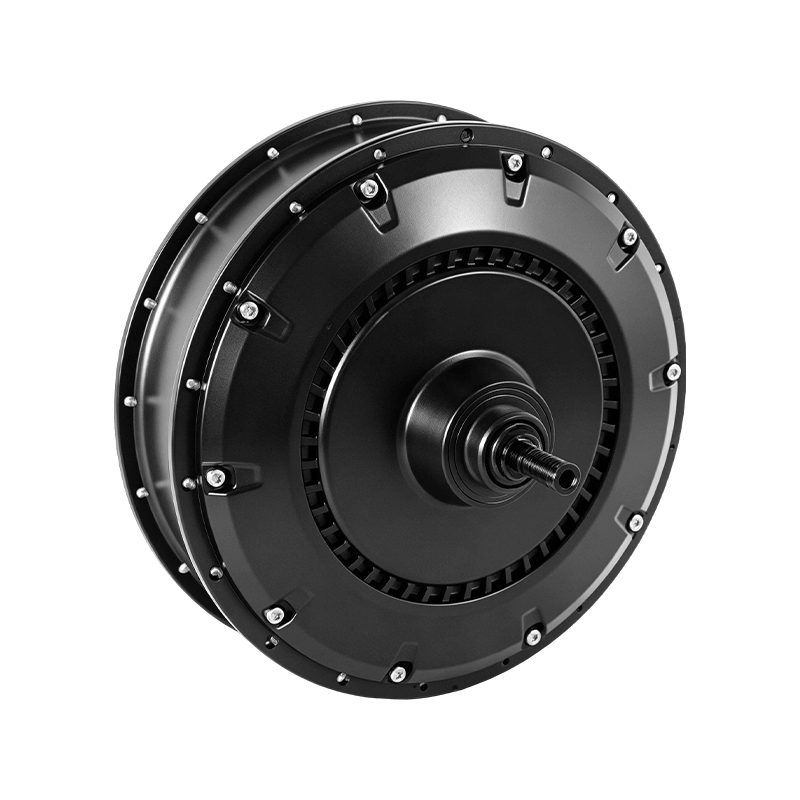
Water protection ratings give a useful baseline, but they're tested under controlled conditions. Pressure-washing directly at Electric two-wheeler Motor seals or riding through deep standing water beyond the rated protection depth can compromise sealing over time. A quick visual check of cable entry points and seal condition once in a while catches of the problems before water actually gets in.