

 English
 中文简体
中文简体Electric scooter motors are a core component of modern micro-mobility, powering devices from daily commuters to recreational riders. With the global electric scooter market expanding rapidly, the design of motors plays a key role in determining ride quality, energy efficiency, and long-term reliability.
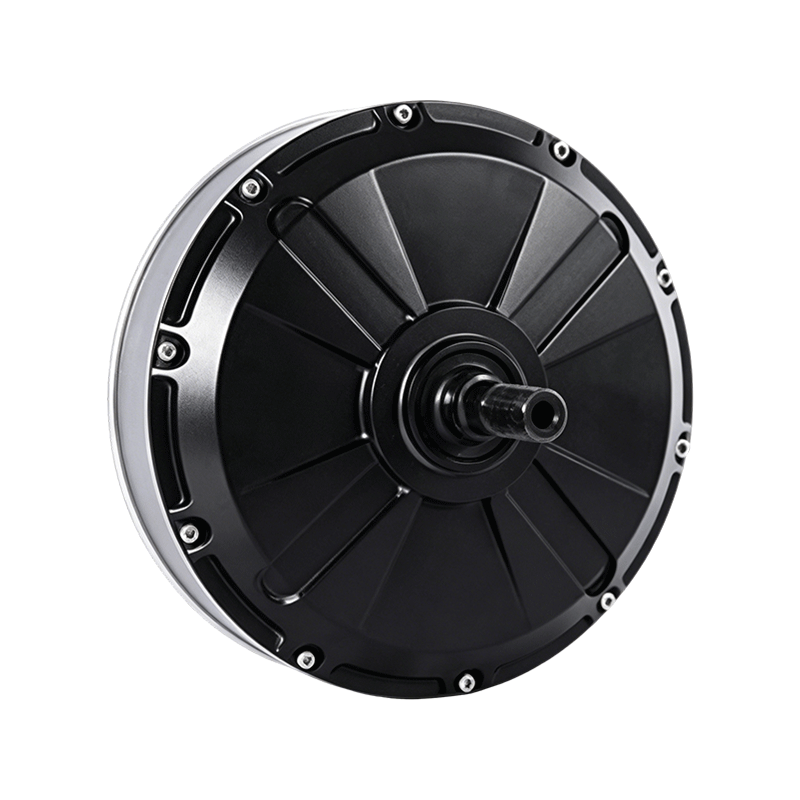
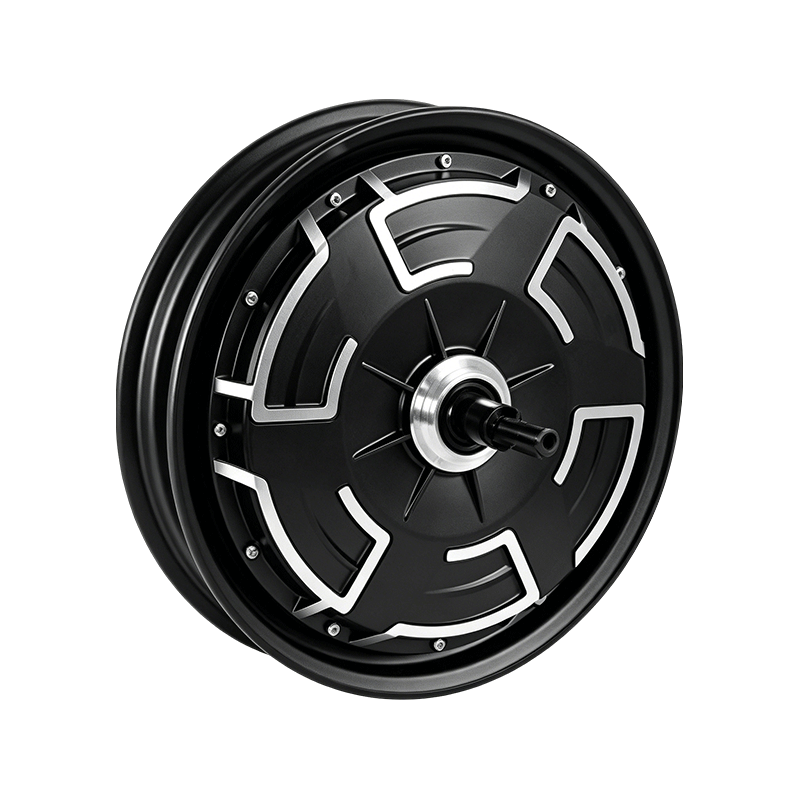
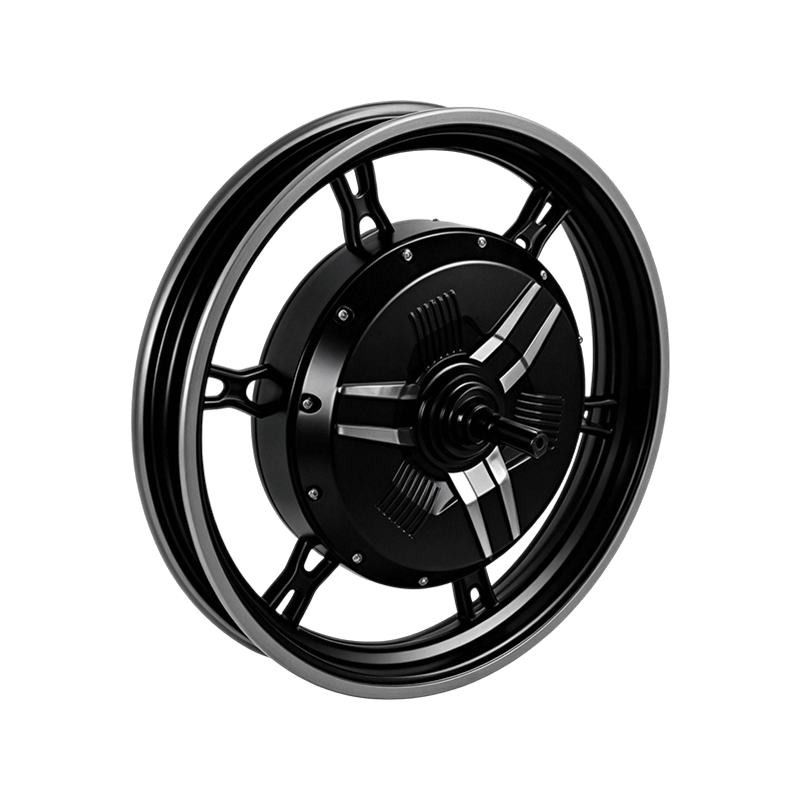
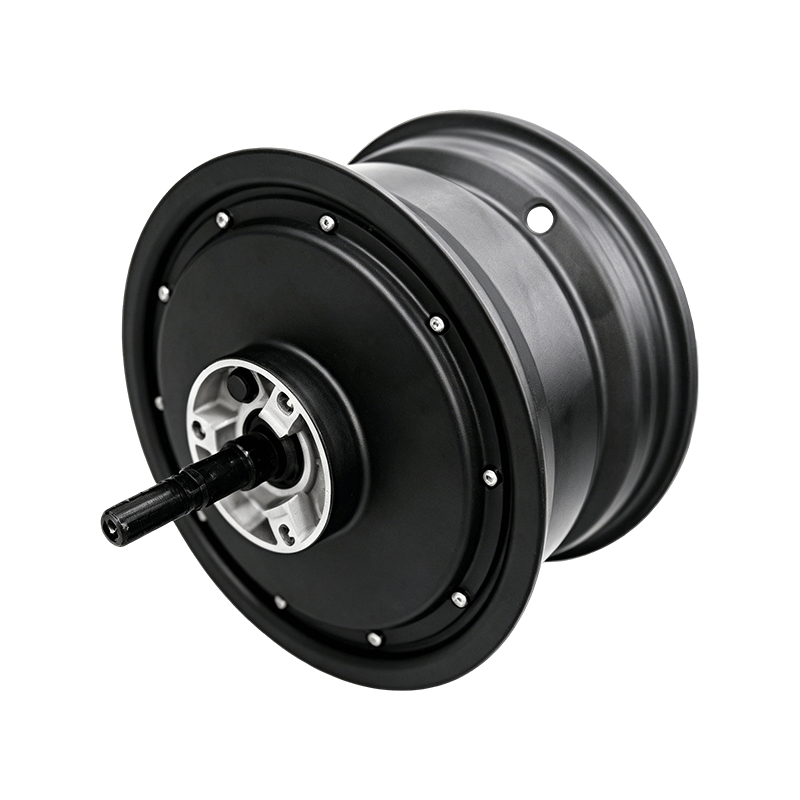
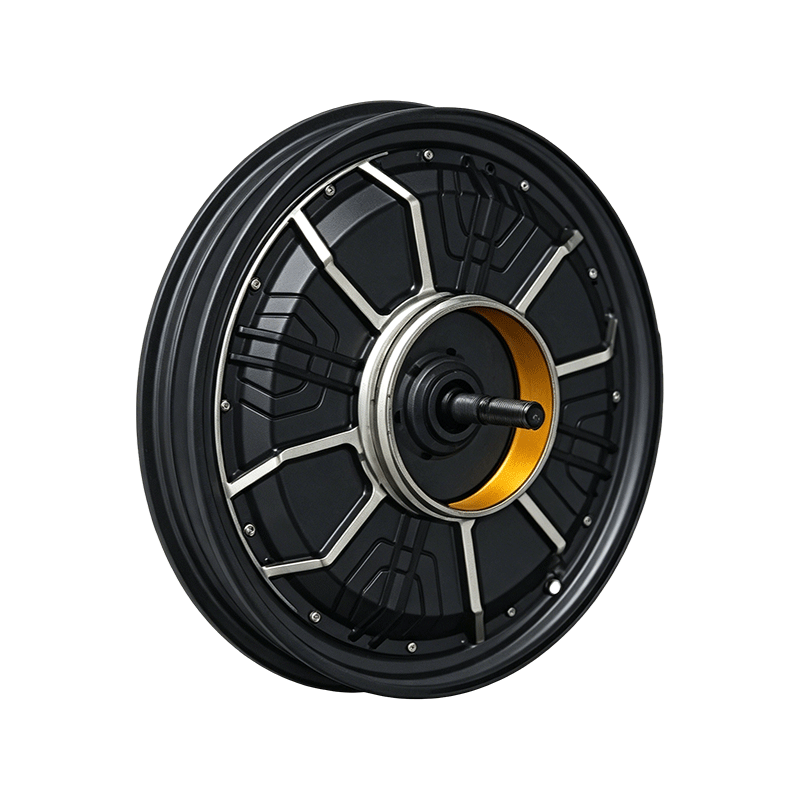
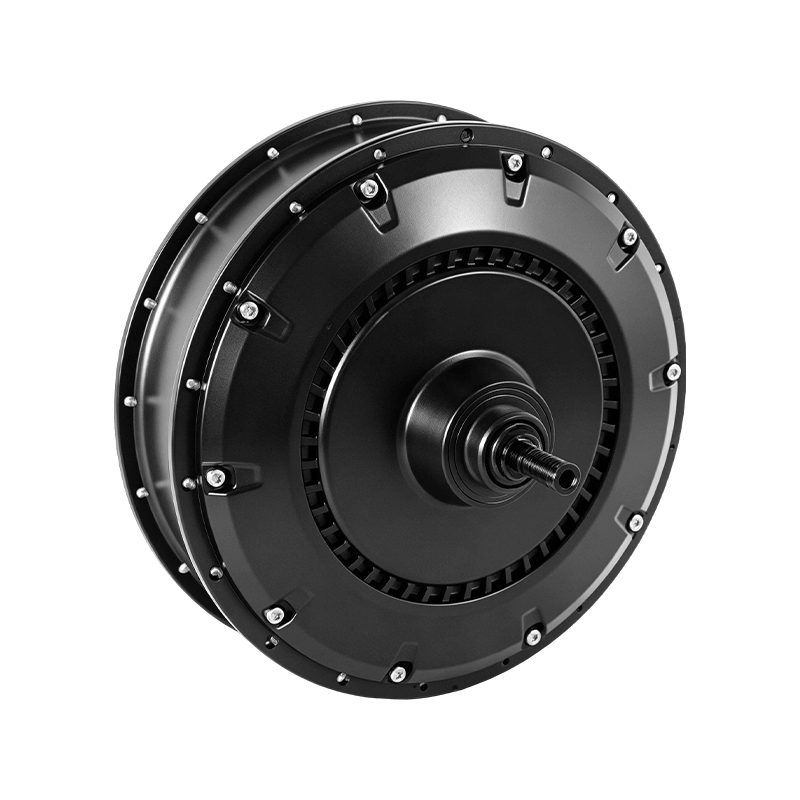
One key topic among riders is motor type and design. Two common categories are gearless hub motors and geared hub motors. Gearless hub motors integrate the rotor and stator directly into the wheel hub, eliminating internal gears. This design produces a quiet ride with low maintenance and typical efficiencies of 85%–90% at cruising speeds, making them well suited for city commuting on flat terrain. Geared hub motors, in contrast, use internal planetary gears to increase torque. This allows stronger low-speed performance, faster acceleration from a stop, and improved hill-climbing ability, although it may require occasional gear maintenance.
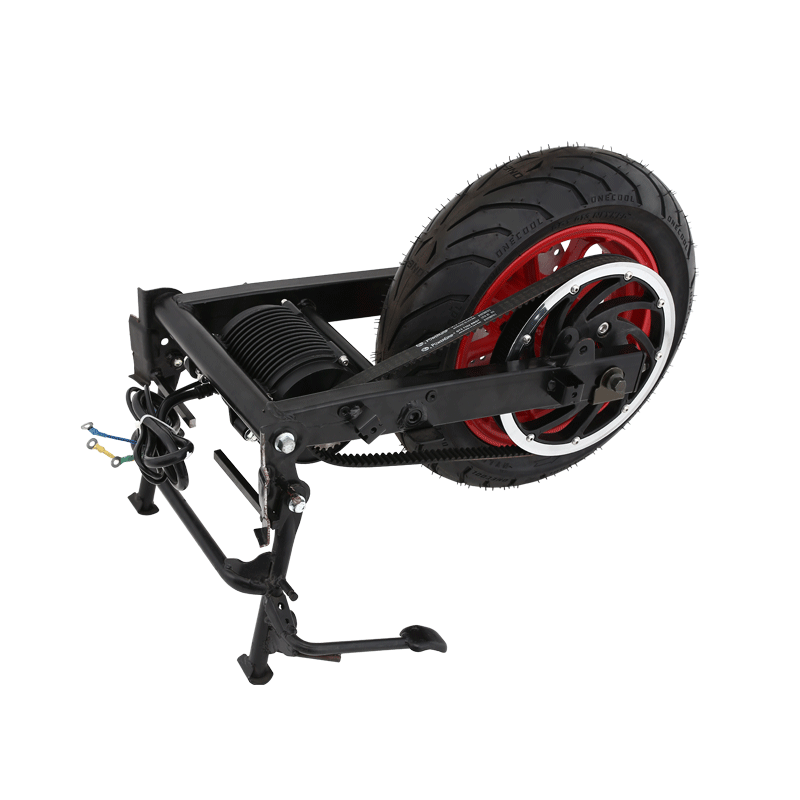
Motor power and torque are crucial metrics for assessing scooter performance. A standard commuter model often has a 350 W motor, enabling speeds around 20 mph (32 km/h). High-performance scooters may use dual-motor configurations with two 1000 W motors, delivering combined peak power up to 3000 W and supporting speeds near 50 km/h. Torque, measured in Newton-meters, determines how effectively a scooter accelerates and climbs inclines. While wattage indicates electrical input, higher torque often reflects more practical real-world performance, particularly under load.
Real-world performance can differ from manufacturer specifications. Peak and continuous wattage ratings may be presented differently, and variations in battery voltage, controller configuration, and motor construction can significantly affect acceleration, speed, and hill performance. Rider communities frequently share test results to provide practical insights for buyers.
Another topic is dual-motor versus single-motor scooters. Dual-motor scooters can offer better traction and acceleration, especially on uneven terrain, but they typically draw more power, which may reduce range if battery capacity is not sufficient. These trade-offs are important for riders seeking a balance between efficiency and performance.
Efficiency factors, including thermal management and insulation quality, also influence motor performance over time. Motors with higher efficiency levels convert more electrical energy into motion, reducing energy loss and extending travel distance per charge. Riders often consider efficiency when evaluating the long-term reliability and overall cost-effectiveness of a scooter.
Q: What is the difference between geared and gearless hub motors?
A: Gearless hub motors are quiet and low-maintenance, ideal for flat terrain. Geared hub motors use internal gears to increase torque, improving acceleration and hill performance but may require occasional maintenance.
Q: Why does torque matter more than wattage for hills?
A: Torque represents the force applied to the wheel, which directly affects a scooter’s ability to climb grades and accelerate from a stop. Wattage shows power input but does not always translate directly into usable force.
Q: Do dual-motor scooters perform better?
A: Dual motors provide improved acceleration and traction, particularly on uneven surfaces, but they generally consume more energy, which can reduce range if battery capacity is not increased.
Q: How long do electric scooter motors last?
A: Lifespan varies by design and use. Direct-drive motors often last longer due to fewer moving parts, while geared motors may require periodic gear servicing.
Q: Can motor efficiency affect range?
A: Yes. Higher-efficiency motors convert more electrical energy into motion, reducing energy loss and extending the distance a scooter can travel per charge.