

 English
 中文简体
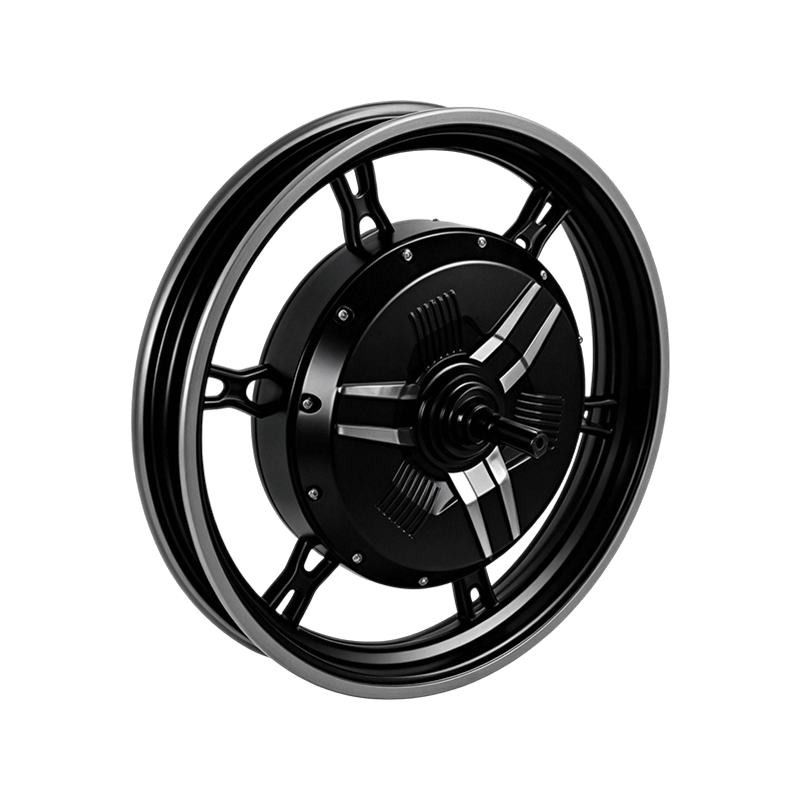
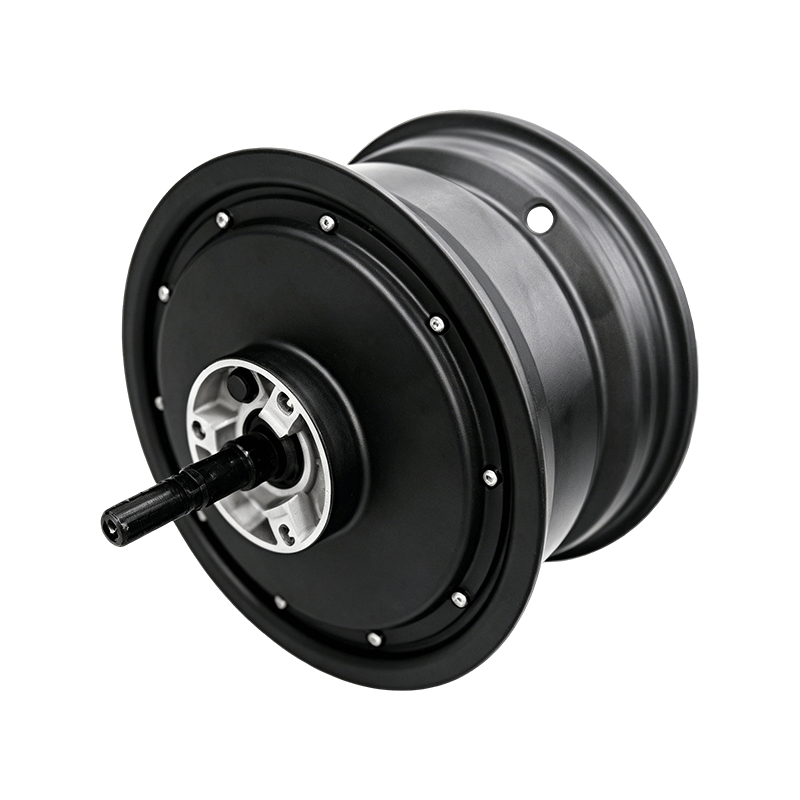
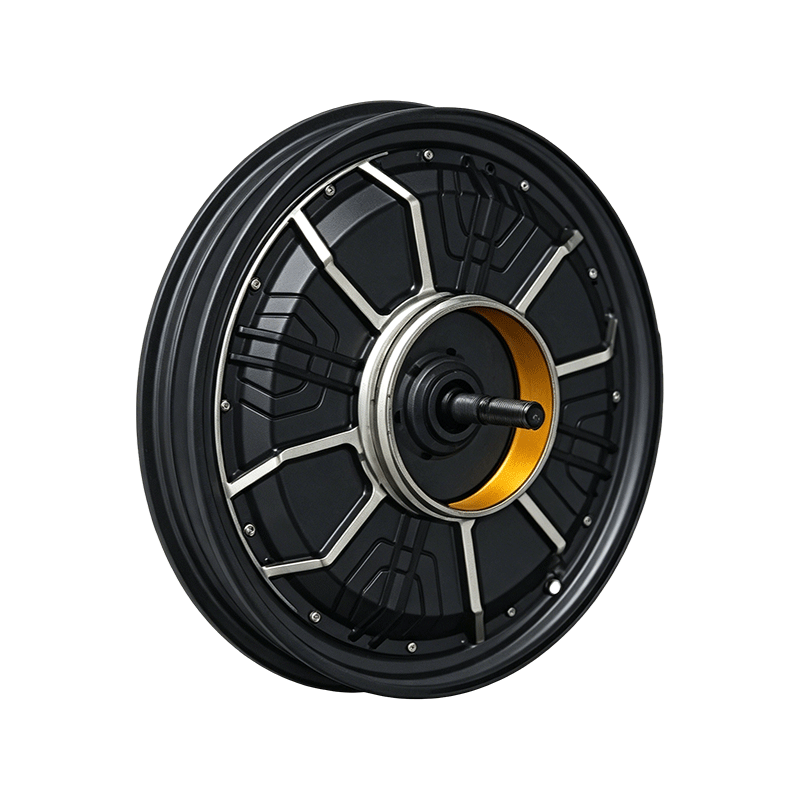
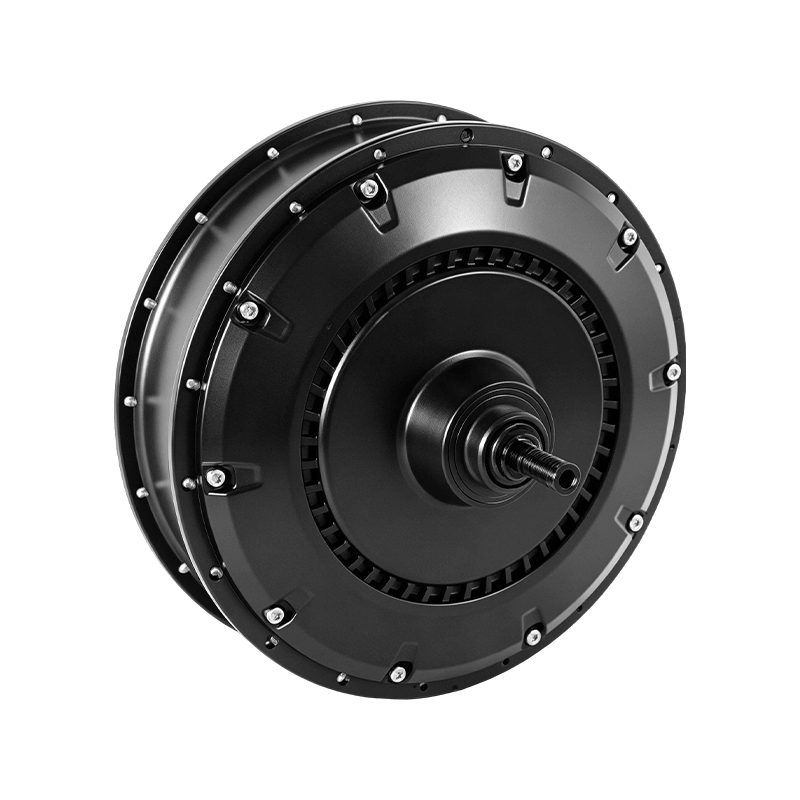
中文简体Electric scooters quietly became normal almost overnight. Thanks to the modern Electric scooter motor, riders now cruise through crowded streets and bypass traffic in ways that seemed unusual only a few years ago. But while people focus on speed or battery range, the motor itself often gets overlooked. In reality, it’s the heart of the ride. A strong motor can make a scooter feel stable, responsive, and capable on inclines, while a weaker setup quickly shows its limits on everyday roads.
Power Ratings and Real-World Performance
Every listing leads with wattage. It's the number that's supposed to tell you everything — and it does tell you something, just not the whole story. A 250W motor does fine on flat ground if you're not carrying much. Push it onto a real hill with a full backpack and the cracks show fast. The 500W–1000W range is where things start feeling genuinely capable: responsive off the line, composed on inclines, able to carry a heavier rider without obviously straining. Dual-motor setups — one wheel per motor — are increasingly common on pricier models, and the all-wheel drive traction on wet asphalt or gravel is noticeable immediately.
One trap buyers fall into constantly: confusing peak wattage with continuous wattage. Manufacturers print the peak figure because it's a bigger number. But peak output lasts maybe five seconds before the controller dials things back. What you actually live with day to day is the continuous rating — the power the motor can hold without overheating on a long uphill or a sustained high-speed run. Always find that number before you buy.
How Motor Efficiency Affects Ride Quality
Wattage gets all the attention. Efficiency barely gets a mention in reviews — which is strange, because it might actually matter more for daily riding. Think about it this way: two motors both rated at 500W can produce wildly different ranges if one bleeds energy as heat while the other converts of it into forward movement. The efficient motor lets you cover more ground on the same battery, or lets the manufacturer keep the battery smaller and lighter without sacrificing range. Either way, you feel it.
Regenerative braking comes up a lot in product descriptions and it's worth a quick reality check. Yes, it works — when you brake, the motor switches into generator mode and trickles a little charge back into the battery. No, it's not going to dramatically extend your range. On a long urban commute with a lot of stop-and-go, the gains are real but modest. It's a useful feature, not a game-changer. Worth having, not worth paying a significant premium for on its own.
Key Features Buyers Look for in Electric Scooter Motors
Torque doesn't get the same marketing push as wattage, but it probably should. Measured in Newton-meters, torque is what you feel in the two seconds after you push off — that pull, that instant weight-shift. It's also what keeps you from slowing to a shuffle on a steep climb. If you're on the heavier side, regularly carry a bag, or your commute involves any real elevation, torque is the number to chase, not raw wattage.
IP ratings are one of those things that seems like fine print until the day you get caught in unexpected rain. The number tells you how waterproof the motor housing actually is — IP54 handles splashes and light rain; IP67 means it can briefly survive full submersion. Scooters without any IP rating on the motor are a gamble if you're riding year-round. Moisture gets in slowly, damage shows up later, and by then the warranty conversation gets complicated.
Motor noise is surprisingly hard to research in advance. Spec sheets don't mention it. Marketing photos don't capture it. But there's a real difference between a motor that's whisper-quiet at 25 km/h and one that emits a thin, persistent whine that you can't unhear after the week. Owner reviews — the unfiltered ones, not the star ratings — are about the only reliable way to find out before you commit.
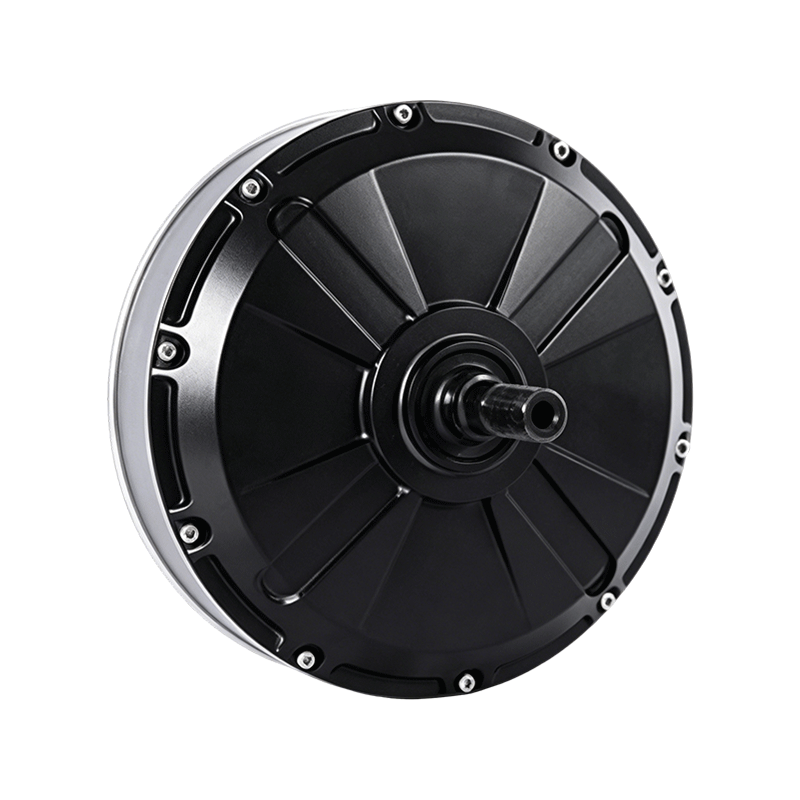
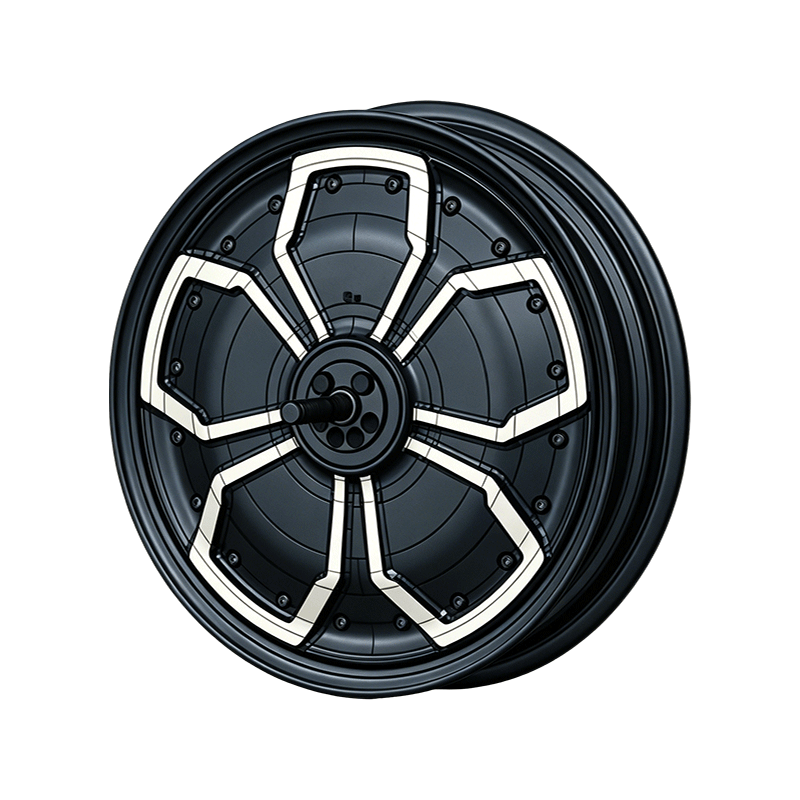
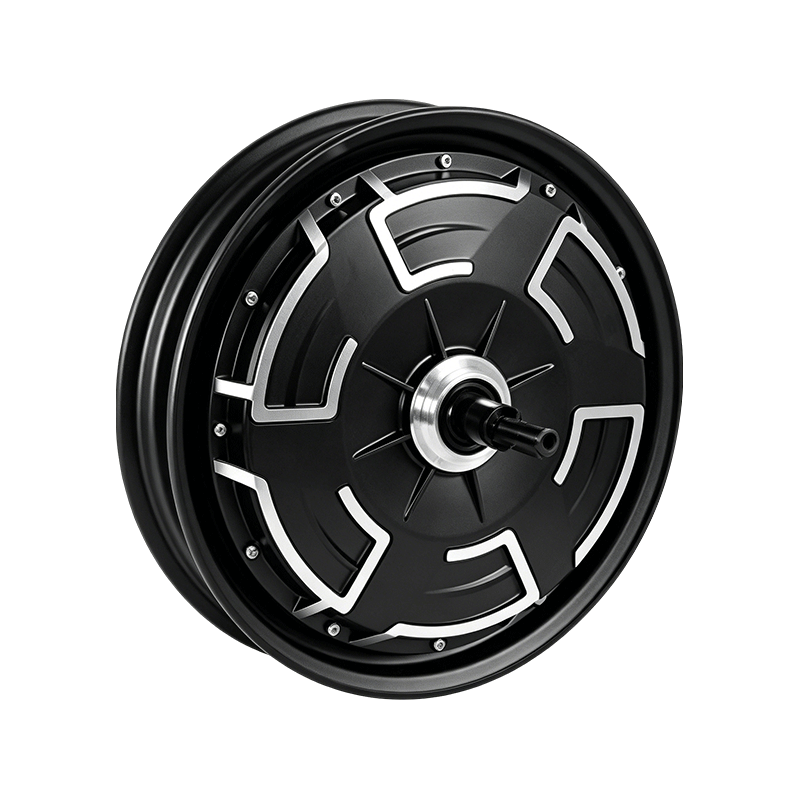
The position of the Electric scooter motor changes how a scooter feels on the road. Rear hub motors provide a pushing sensation that many riders associate with better stability, while front hub motors pull the scooter ahead in a slightly different way through turns. Dual-motor scooters balance both effects at the same time, giving riders stronger traction on slippery streets and rough surfaces. In normal urban riding, rear-wheel drive handles situations comfortably. But for off-road routes or unpredictable weather, dual motors can make a noticeable difference.