

 English
 中文简体
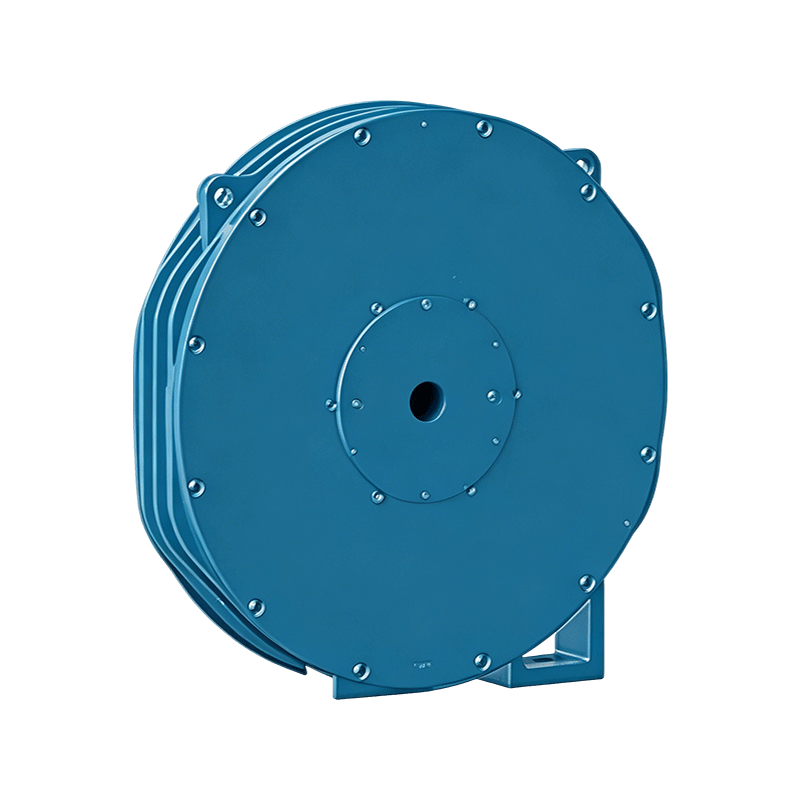
中文简体Electric motorcycle motors serve as the central drive component in electric-powered two-wheelers. These motors convert electrical energy into mechanical motion, enabling smooth propulsion for daily commutes, city rides, and recreational outings. Their integration into motorcycle designs has expanded options for riders seeking responsive and efficient performance in various riding scenarios.
Core Operation of Electric Motorcycle Motors
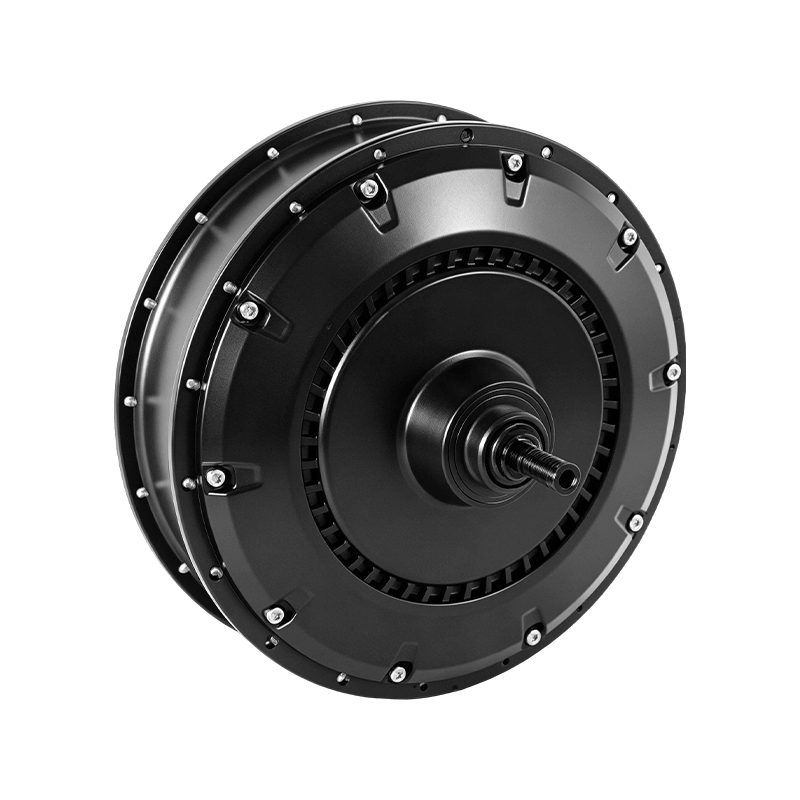
Electric motorcycle motors rely on electromagnetic principles to generate torque. When current flows through the motor windings, it creates a magnetic field that interacts with magnets or coils in the rotor, producing rotational force. This direct drive approach delivers power instantly upon throttle input, supporting quick acceleration from a stop in traffic or during lane changes.
Many motors operate with brushless designs, which reduce internal friction and support consistent output across different speeds. Riders often notice the quiet operation compared to traditional alternatives, allowing for clearer awareness of surrounding sounds during rides.
Common Motor Configurations
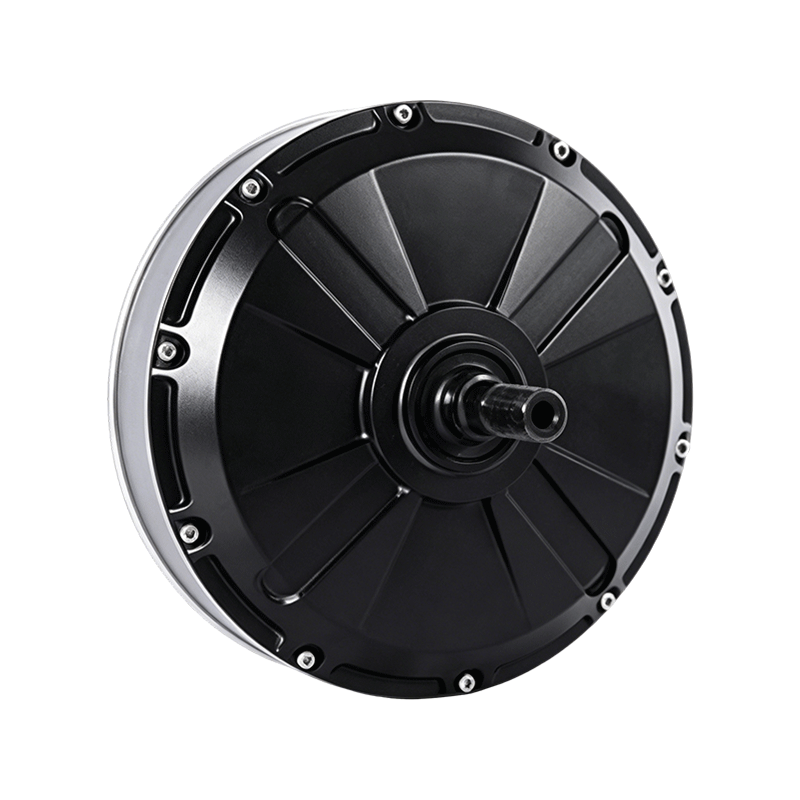
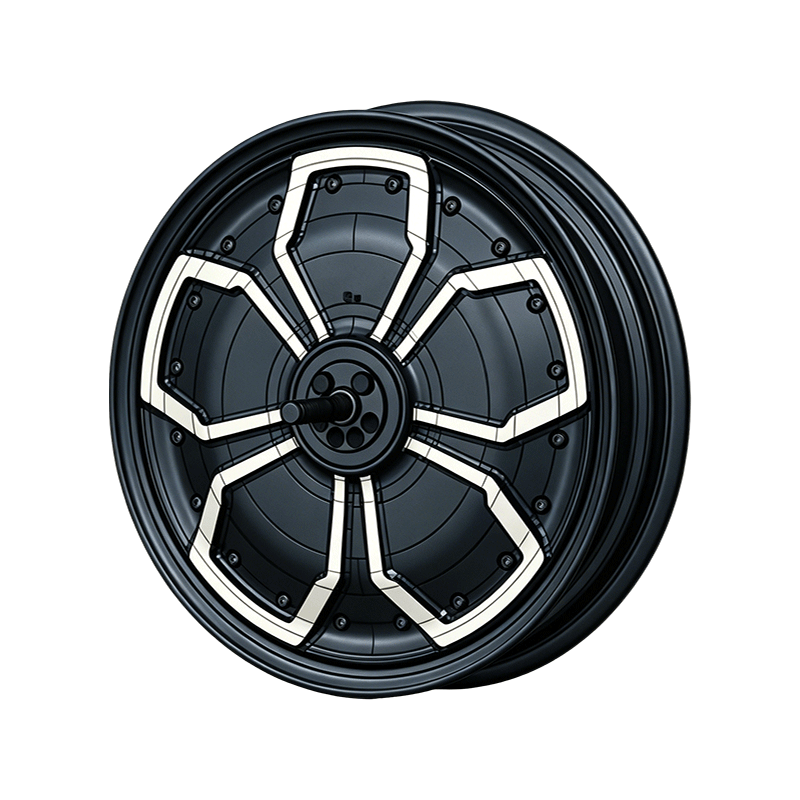
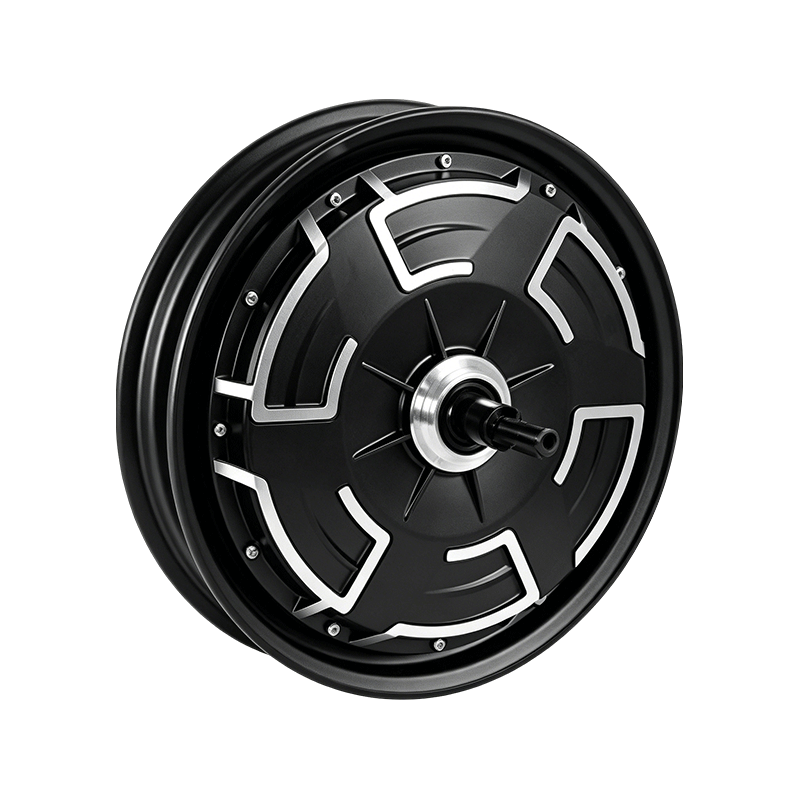
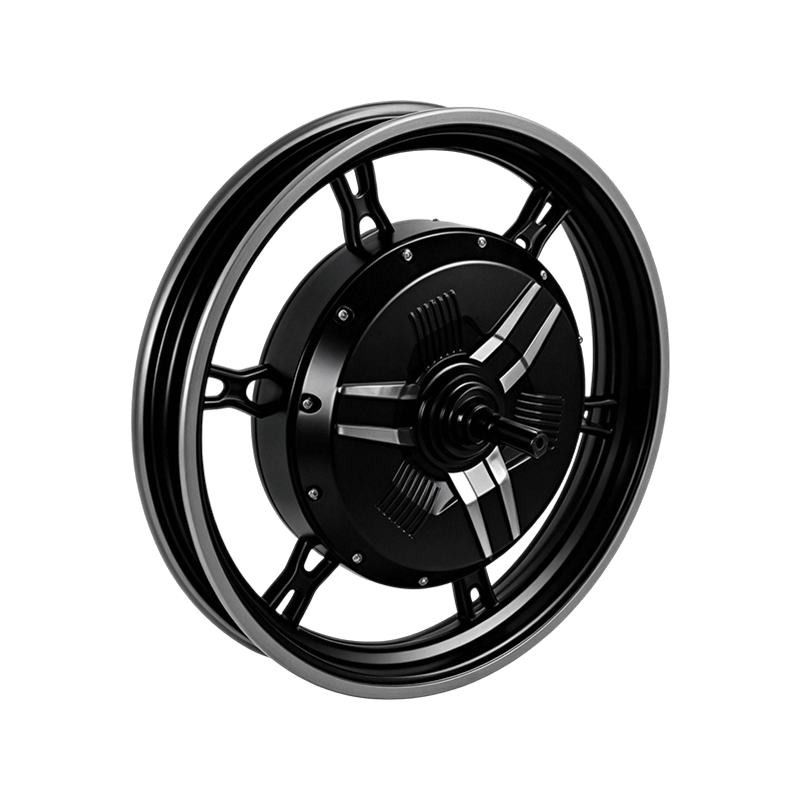
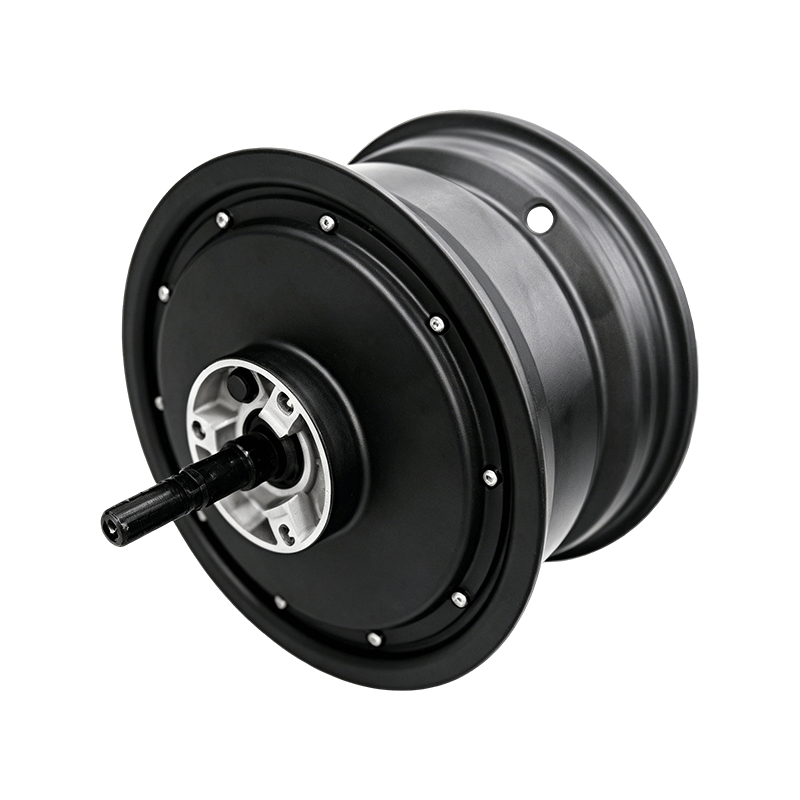
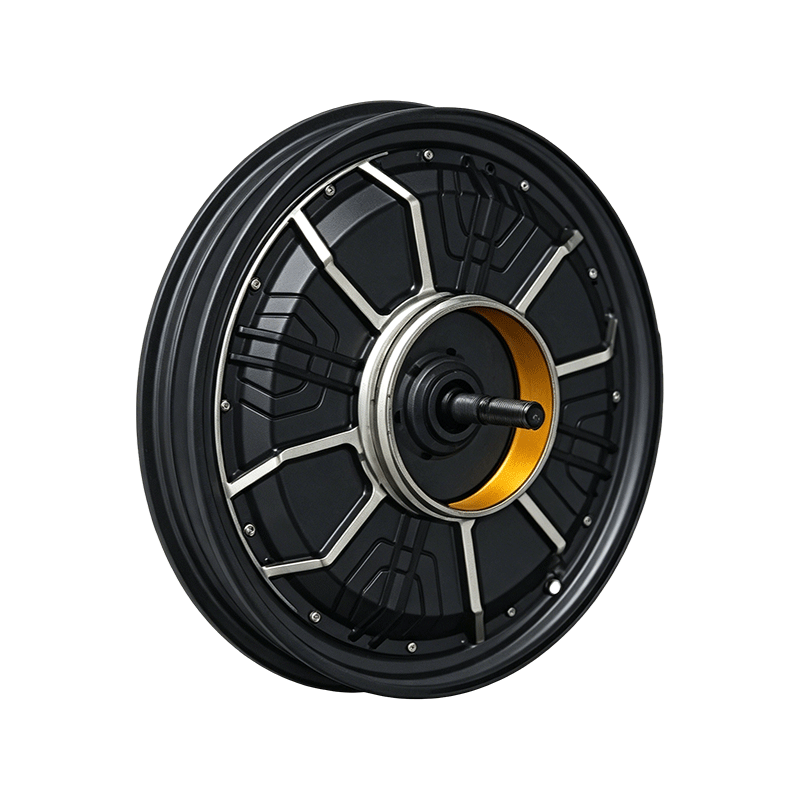
Several configurations appear in electric motorcycle applications. Hub motors place the drive unit directly in the wheel, simplifying the overall drivetrain and lowering the center of gravity for stable handling. Mid-drive motors, positioned near the bike's pedals or central frame, connect through a chain or belt system to distribute power effectively to the rear wheel.
Each setup offers distinct characteristics in power delivery. Hub motors provide straightforward installation and direct response, while mid-drive versions allow for better weight balance and adaptability to different motorcycle frames.
Integration With Motorcycle Frames
Electric motorcycle motors fit into various frame designs, from sport-oriented models to cruisers and adventure styles. Engineers mount the motor in ways that maintain the bike's balance and steering geometry. The compact nature of many units leaves room for battery placement and other components without compromising the motorcycle's silhouette.
Frame materials and motor mounting points work together to absorb vibrations during operation. This setup helps preserve rider comfort over longer periods in the saddle, particularly on uneven road surfaces common in urban and suburban routes.
Performance Characteristics in Daily Use
In city environments, electric motorcycle motors deliver progressive torque that supports stop-and-go traffic flow. The motors respond to throttle movements with controlled power, helping riders navigate intersections and maintain steady speeds in variable conditions. Regeneration features during braking can return energy to the system, extending ride duration in typical daily patterns.
On suburban roads or highways, the motors sustain consistent speeds with minimal effort from the rider. The linear power curve allows for overtaking maneuvers when needed, while the absence of gear shifts simplifies operation for both new and experienced riders.
Battery and Motor Coordination
The interaction between the battery pack and electric motorcycle motor determines overall ride dynamics. Controllers manage energy flow to match rider inputs, ensuring smooth transitions between acceleration, cruising, and deceleration. This coordination helps maintain predictable behavior across temperature ranges and load conditions encountered during regular use.
Motor efficiency plays a role in how effectively energy translates into motion. Designs that minimize heat buildup during extended operation support reliable performance on longer daily routes or weekend rides.
Rider Experience and Control Features
Riders interact with electric motorcycle motors through throttle controls and selectable ride modes. These modes adjust power output and response sensitivity to suit different situations, such as relaxed commuting or more engaged weekend exploration. The immediate torque availability creates a connected feel between rider and machine.
Display interfaces often show real-time motor status and energy usage, helping users gauge their riding style. The quiet operation enhances the overall sensory experience, making conversations or music listening more feasible during group rides.
Handling and Responsiveness Aspects
The placement and characteristics of electric motorcycle motors influence the bike's handling profile. Lower-mounted units contribute to stability during turns and at higher speeds. Quick torque delivery supports precise adjustments in lean angle and line choice through corners.
Suspension systems complement motor characteristics by absorbing road imperfections while the motor provides steady drive. This combination helps maintain composure in a range of riding conditions, from smooth pavement to lightly rutted paths.
Design Trends in Motor Development
Ongoing refinements in electric motorcycle motors focus on compact sizing, thermal management, and power density. Manufacturers explore materials that support durability under repeated thermal cycles and mechanical stress from riding. Modular designs allow for easier integration across different vehicle platforms.
Weight reduction efforts help improve overall motorcycle agility without sacrificing output. These advancements continue to shape how motors fit into evolving motorcycle designs and rider expectations.
Electric motorcycle motors play a central role in the functionality and appeal of modern electric two-wheelers. Their engineering supports practical daily use, varied riding styles, and consistent performance across different environments. As riders explore options in personal mobility, these motors provide a foundation for engaging and manageable experiences on the road.