

 English
 中文简体
中文简体Electric bike motors are essential for powering modern bicycles, shaping ride quality, handling, and durability. Two main types dominate the current market: hub motors and mid-drive motors, each offering distinct advantages depending on riding style and terrain.
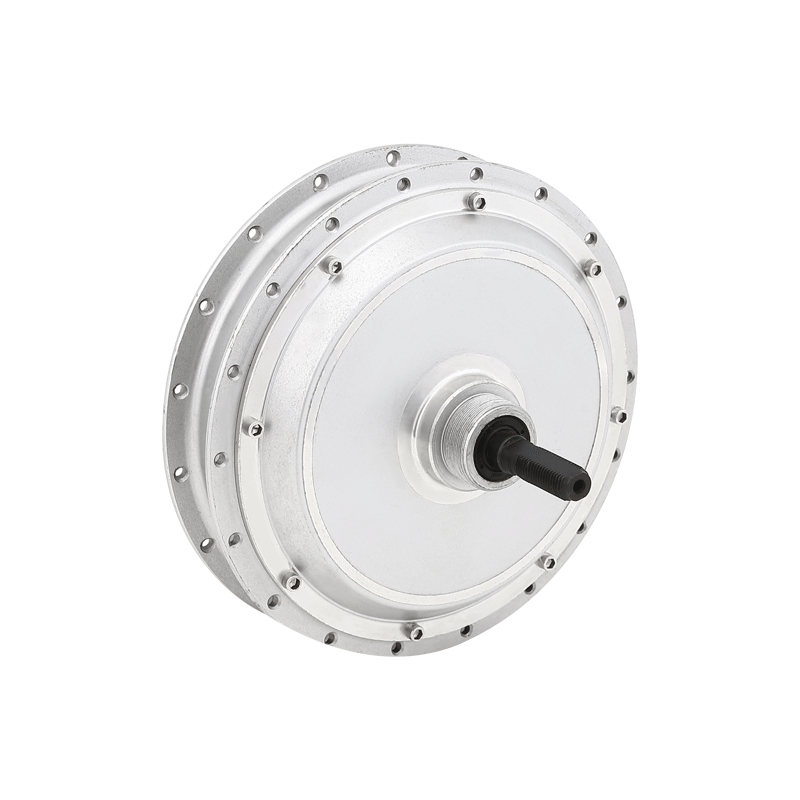
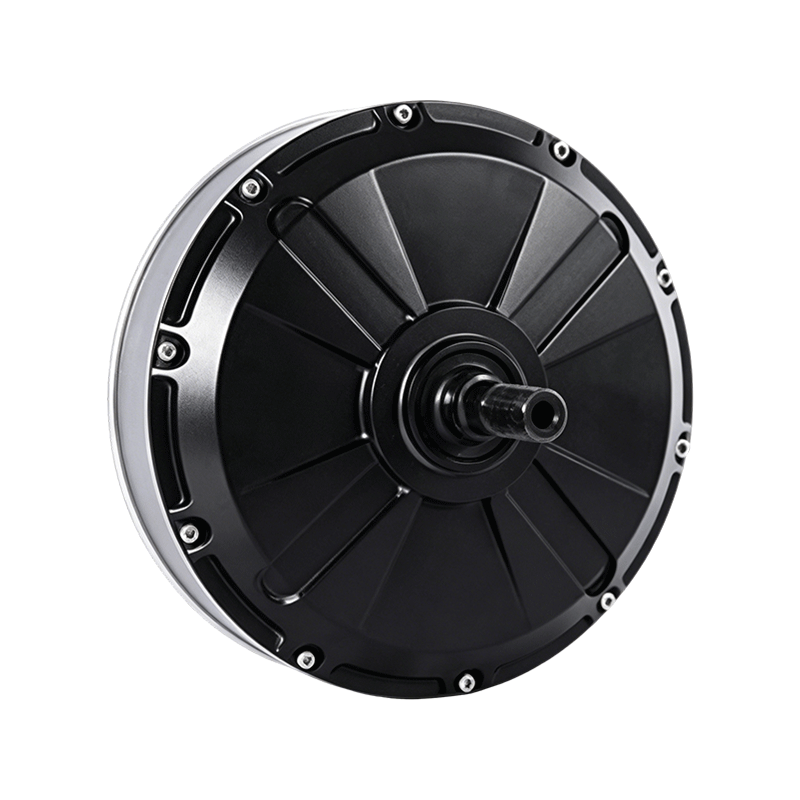
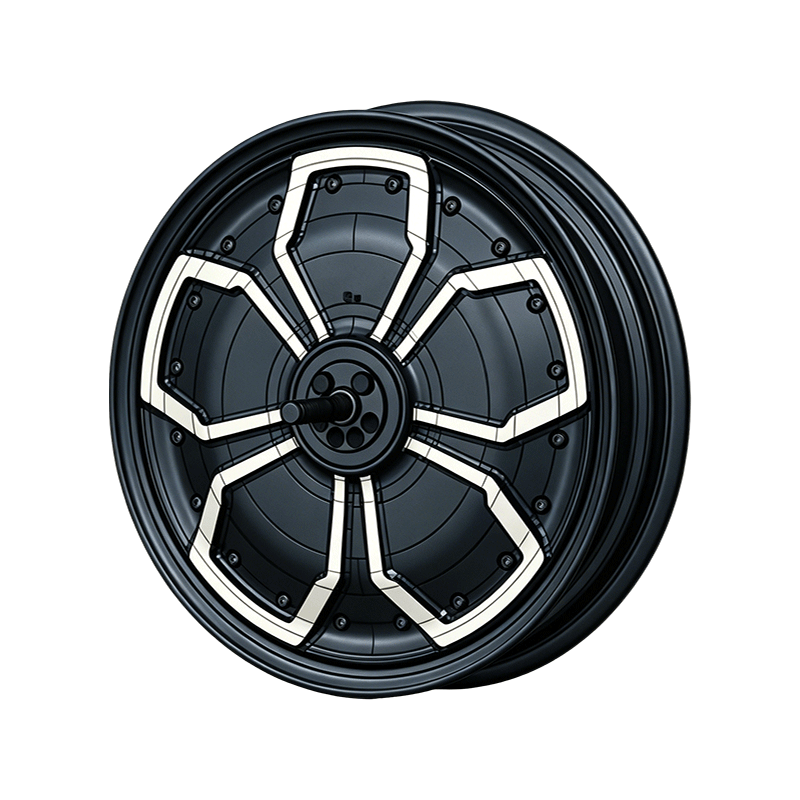
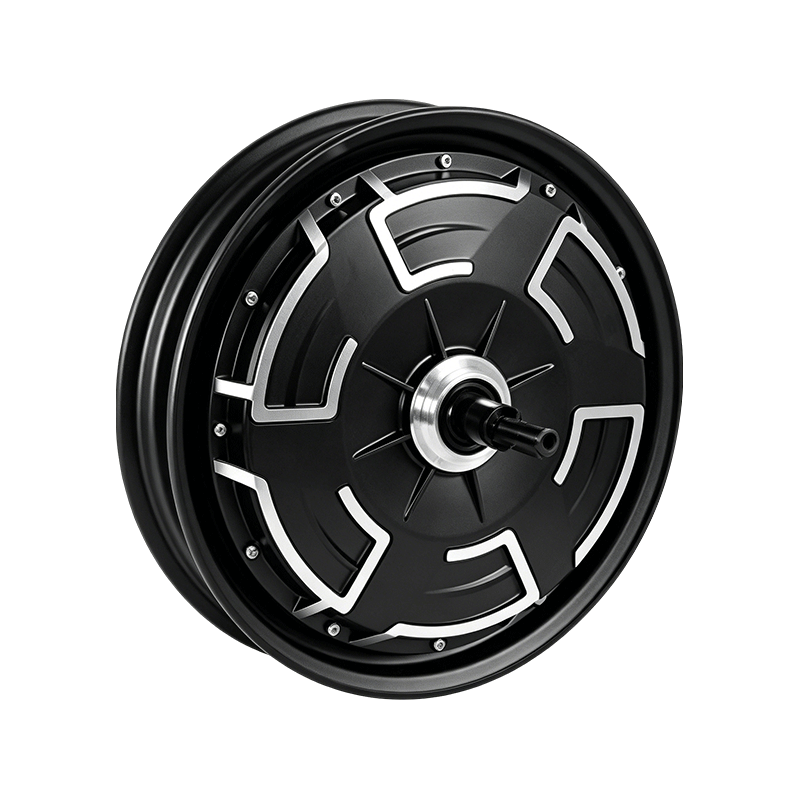
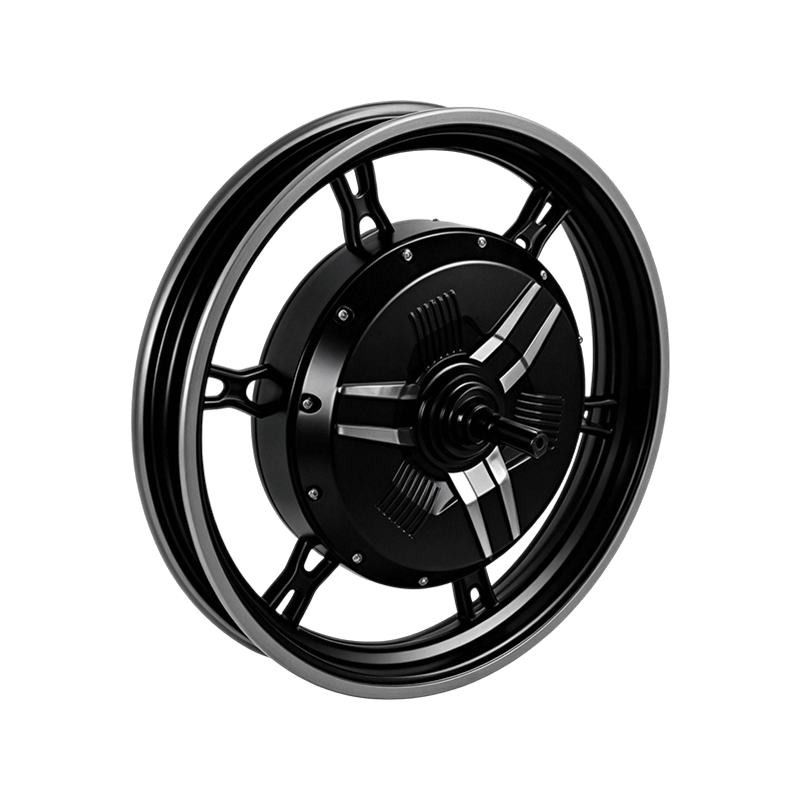
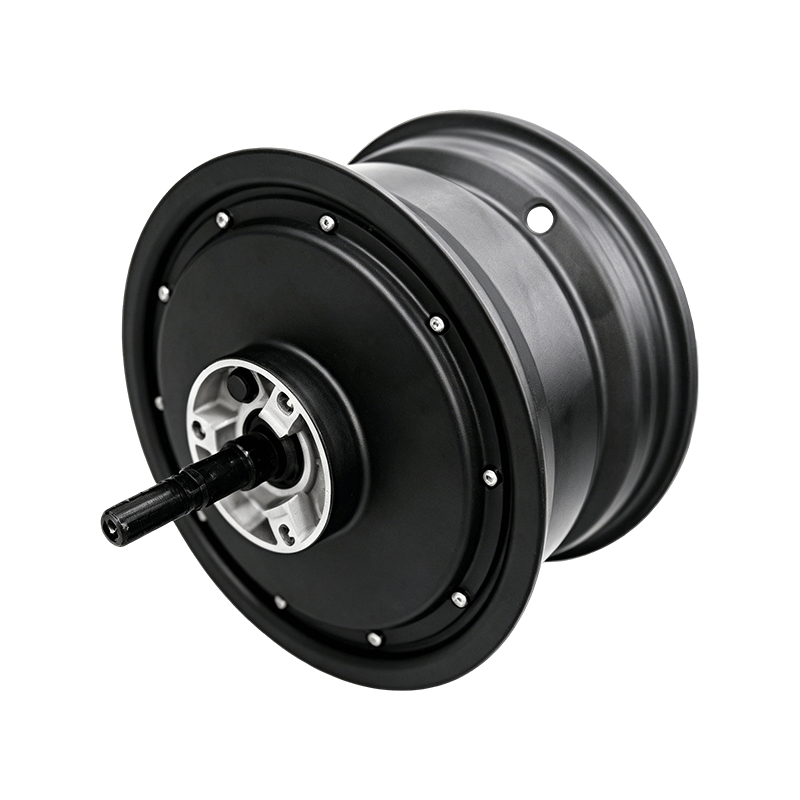
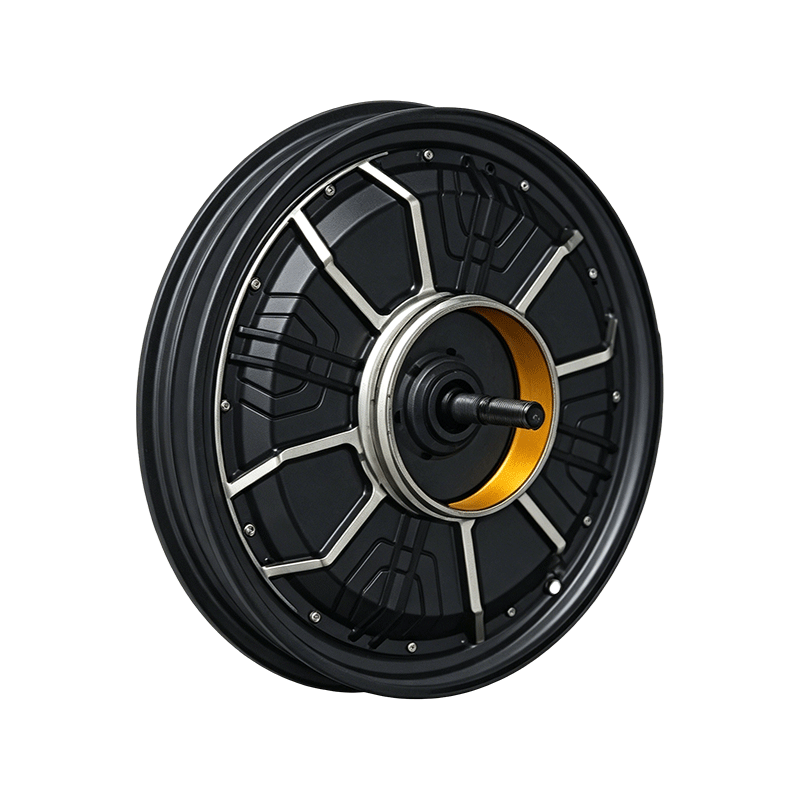
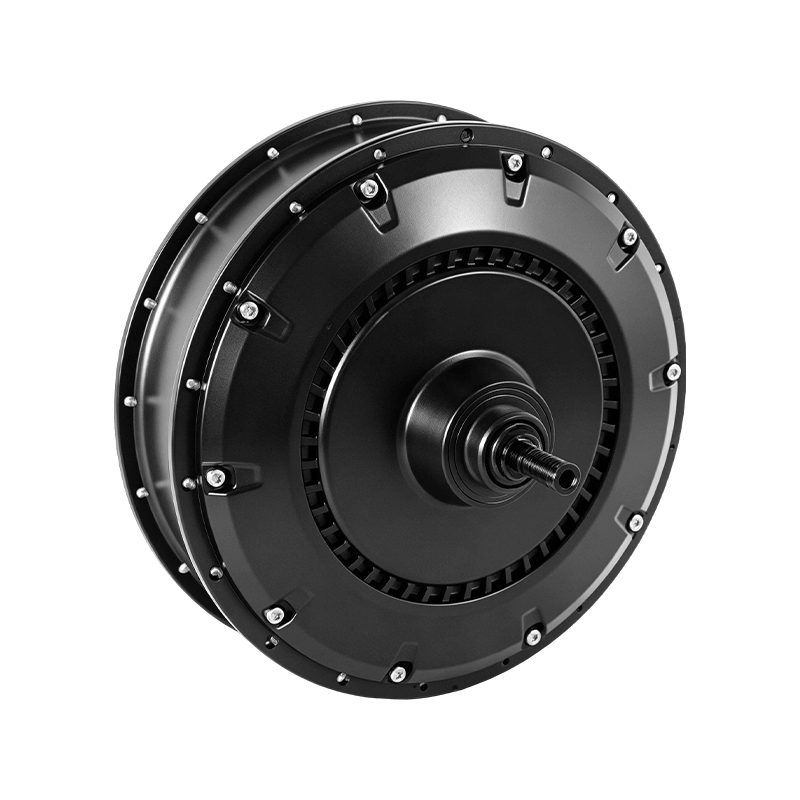
Hub motors are installed in the wheel hub and provide direct drive to the wheel. They are widely used because of their simple design and ease of installation. In many urban and commuter bicycles, hub motors account for around 68% of electric bike motors, mainly due to their straightforward maintenance and compatibility with standard bike frames. Hub motors are generally quieter and lighter than mid-drive systems, but they may produce less torque when climbing steep inclines.
Mid-drive motors are positioned near the bike’s crankset and transmit power through the bicycle’s gears. This allows for higher torque and more efficient energy use on variable terrain. Riders often note that mid-drive motors provide better performance on hills, smoother pedaling, and a more natural riding experience. While these systems may require more precise installation and occasional maintenance, their performance benefits are significant for longer rides or challenging terrain.
Torque and power output are key factors in motor performance. Hub motors typically produce torque in the range of 30–70 Nm, sufficient for city commuting and flat terrain. Mid-drive motors, benefiting from gear multiplication, can provide 50–85 Nm or higher, allowing bicycles to handle steep inclines and heavier loads more effectively. Motor efficiency, noise level, and heat management are other important technical considerations when evaluating performance.
From a maintenance perspective, hub motors are easier to service because they have fewer moving parts connected to the drivetrain. Mid-drive motors interact with the bike’s gears, which may require regular inspection and occasional adjustment. Users should also check motor connections, wiring, and battery interface to ensure consistent performance. Lubrication of drivetrain components and monitoring for unusual noise or vibration can extend the motor’s operational life.
Motor integration and control systems also play a role in ride experience. Sensors that detect pedaling force can adjust power output smoothly, while controllers regulate voltage and current to maintain efficiency and reduce wear. These systems enhance ride comfort and allow riders to customize pedal assist levels according to preference or terrain conditions.
Electric bike motors continue to evolve in terms of design efficiency and user experience. Lightweight construction, compact dimensions, and optimized cooling are common engineering focuses. For many riders, choosing between hub and mid-drive motors comes down to the type of cycling they do, the terrain they encounter, and their priorities in maintenance and handling.
Frequently Asked Questions
1. What is the difference between hub and mid-drive motors?
Hub motors drive the wheel directly and are simple to install. Mid-drive motors transmit power through the bike’s gears, providing higher torque and better hill performance.
2. Which type of motor is better for urban commuting?
Hub motors are often preferred for city commuting due to their quiet operation, low maintenance, and lighter weight.
3. Are mid-drive motors harder to maintain?
Yes, because they interact with the drivetrain, mid-drive systems may require more frequent inspection and adjustment.
4. How does torque affect ride performance?
Higher torque improves hill climbing and load carrying. Hub motors provide enough torque for flat terrain, while mid-drive motors handle steep inclines more efficiently.
5. What should riders check to maintain motor longevity?
Regularly inspect the motor, wiring, and connections, lubricate drivetrain components, and monitor for unusual noise or vibration.