

 English
 中文简体
中文简体What Goes Into Making Electric Bike Motors?
Electric bike motors have transformed the way people travel, combining the benefits of traditional cycling with the power of electric assistance. The production of electric bike motors involves a blend of advanced engineering, cutting-edge manufacturing techniques, and careful material selection. Each motor is designed to be lightweight, efficient, and durable, ensuring a smooth ride for the user. The process of creating these motors starts with designing the components that drive the bike and integrating them into a functional system.
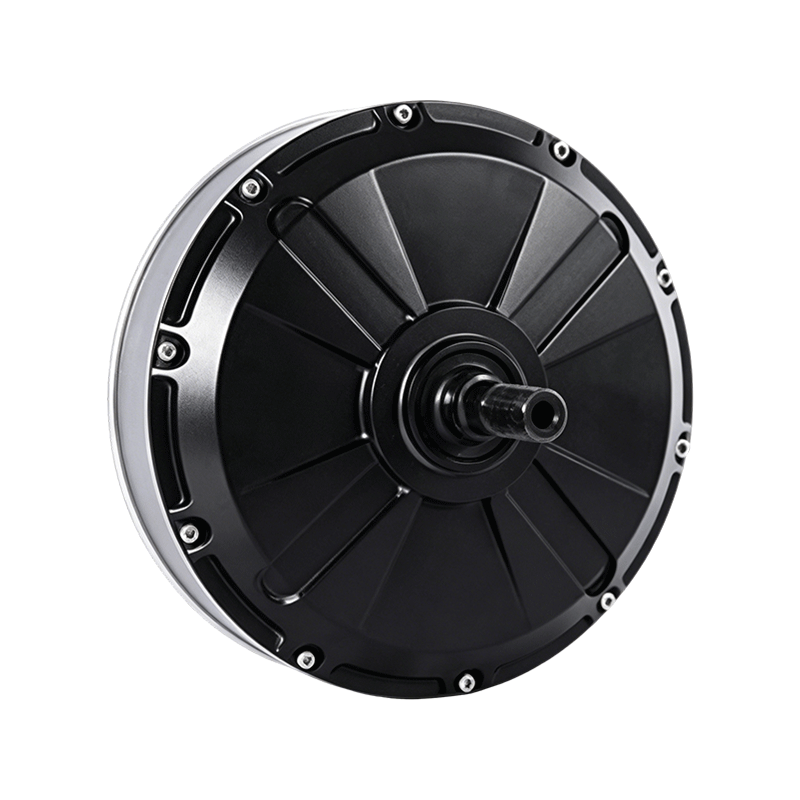
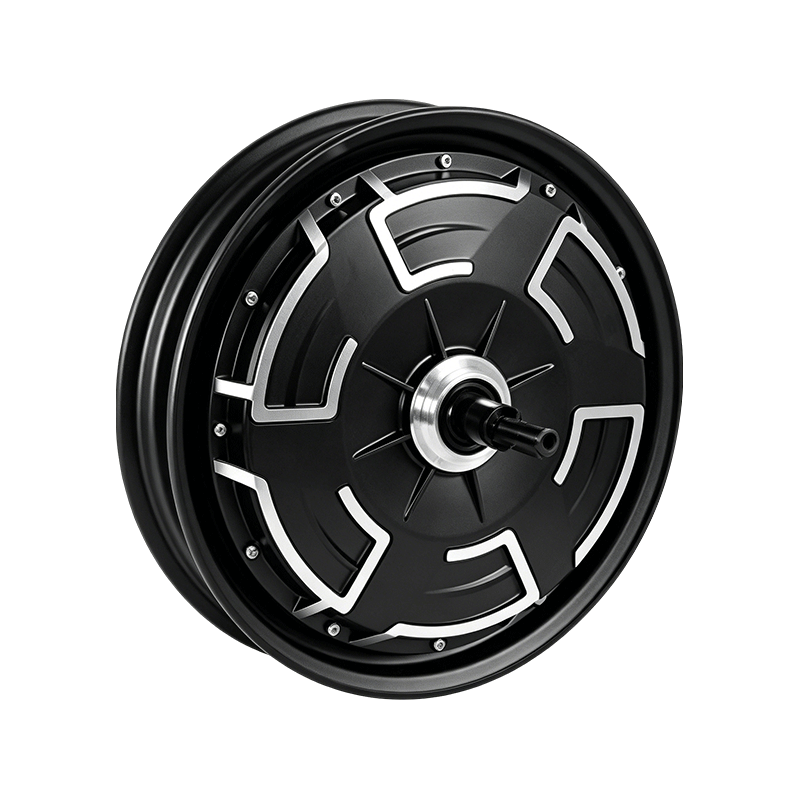
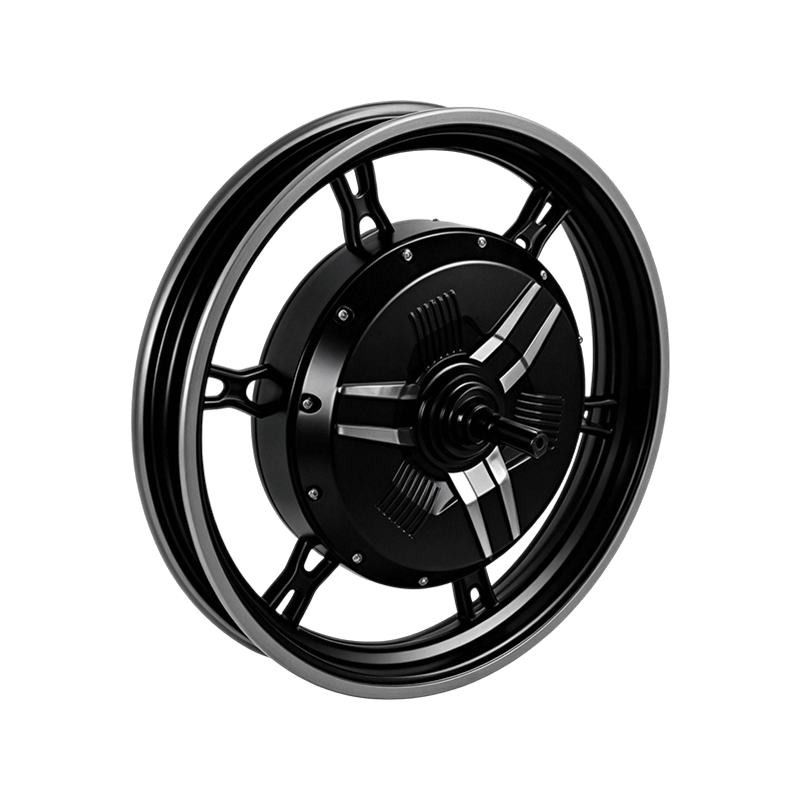
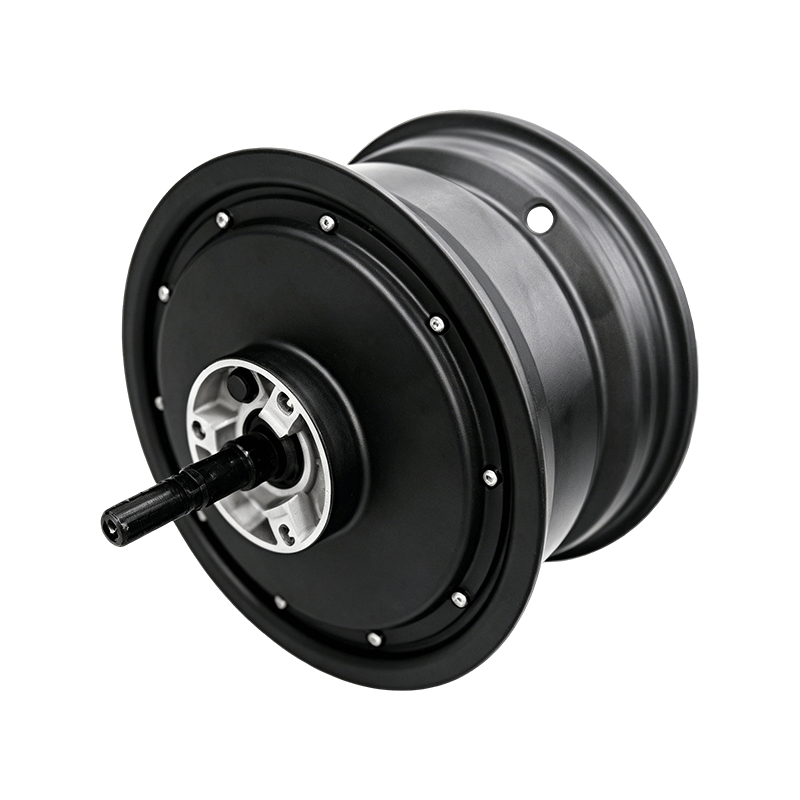
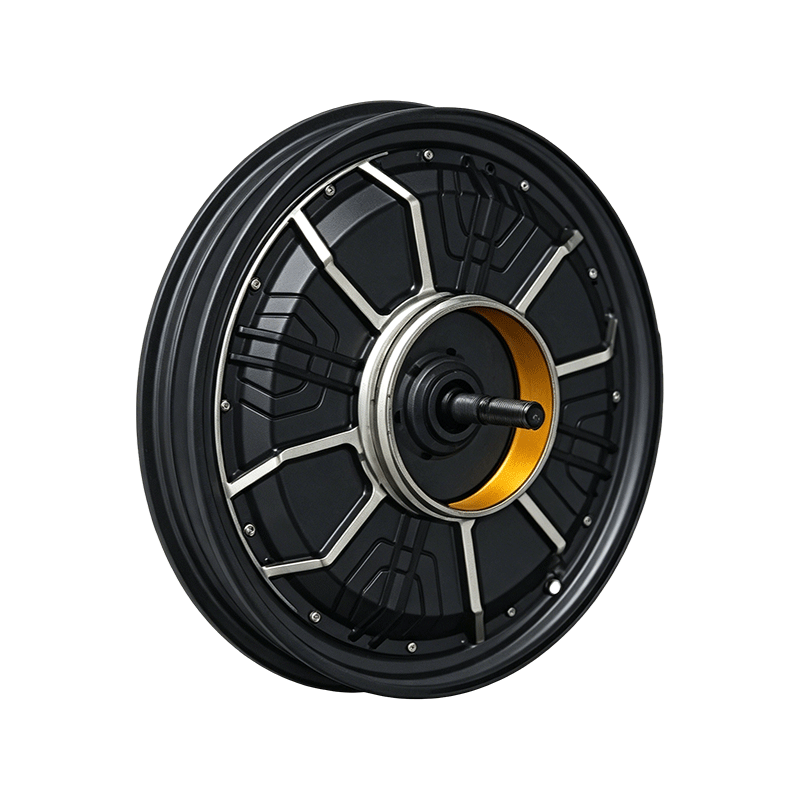
The common motor types used in electric bikes are hub motors and mid-drive motors. Hub motors are located in the wheel hub, while mid-drive motors are positioned near the pedals. Both motor types have distinct manufacturing processes. Hub motors typically consist of a small, powerful unit inside the wheel hub, requiring precise windings and strong magnets to ensure efficiency. Mid-drive motors, on the other hand, require more complex engineering as they need to integrate with the bike's drivetrain and provide power to the pedals.
What Makes Electric Bike Motors Efficient?
The efficiency of an electric bike motor depends largely on the design and quality of its components. One of the important factors is the motor controller, which regulates the flow of electricity to the motor. The controller adjusts the power output based on the rider’s input and terrain, optimizing energy consumption. More sophisticated controllers allow for smoother acceleration and deceleration, improving the overall ride experience.
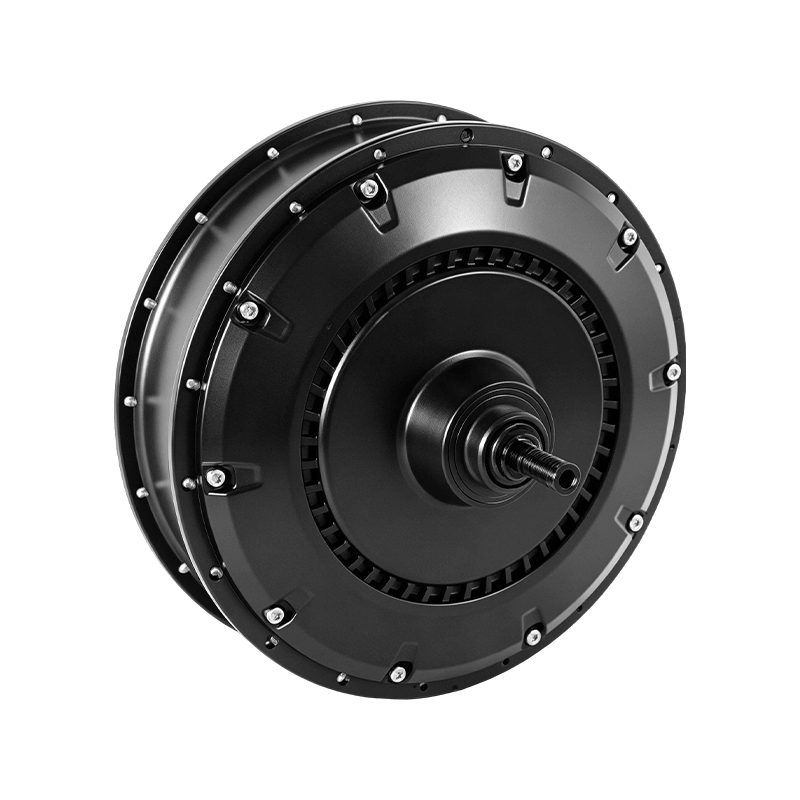
The motor design also plays a significant role in efficiency. High-quality motors use neodymium magnets, which are known for their strong magnetic fields, allowing the motor to generate more power with less energy. The design of the motor also includes heat dissipation elements, such as cooling fins, to ensure that the motor does not overheat during prolonged use.
Manufacturers also focus on reducing friction in the motor system. By using advanced bearings and high-grade lubricants, friction is minimized, to less energy loss and greater overall efficiency. The integration of sensors that monitor the motor’s performance further enhances efficiency, allowing the motor to adjust its output depending on the bike’s speed, load, and incline.
Electric Bike Motors: The Heart of the Ride
Electric bike motors are often referred to as the “heart” of the bike, as they provide the power that makes electric bikes so appealing. Without a powerful, efficient motor, the benefits of electric biking would be significantly diminished. Motor power is measured in watts, and typical electric bike motors range from 250W to 750W, with higher wattage motors providing more assistance, especially on hills.
The choice of motor can significantly affect the riding experience. Hub motors are ideal for users who want a more straightforward, quiet ride, as they are usually less complex and require less maintenance. On the other hand, mid-drive motors provide a more natural feel and better performance on rough terrain, as they drive the bike’s gears directly, giving riders more control over power output.
Mid-drive motors are often used in bikes designed for off-road use, as they provide better handling and climbing abilities. They are also more efficient than hub motors on inclines because they make use of the bike’s gears. However, they tend to be more expensive and may require more maintenance due to the added complexity of the system.