

 English
 中文简体
中文简体Electric bike motors manufacturers production methods
Electric bike motors manufacturers develop and produce the drive units that power electric bicycles. These companies focus on creating compact motors that deliver controlled assistance while integrating with standard bicycle frames and components. The work involves balancing power output, weight, and mechanical compatibility so that the finished motor supports smooth rider experience across different riding conditions.
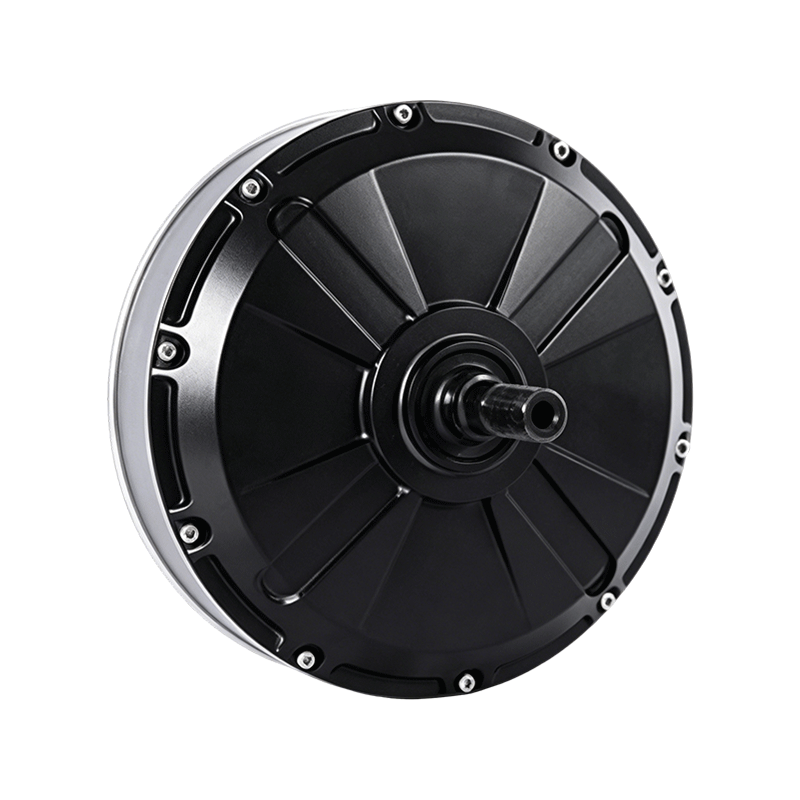
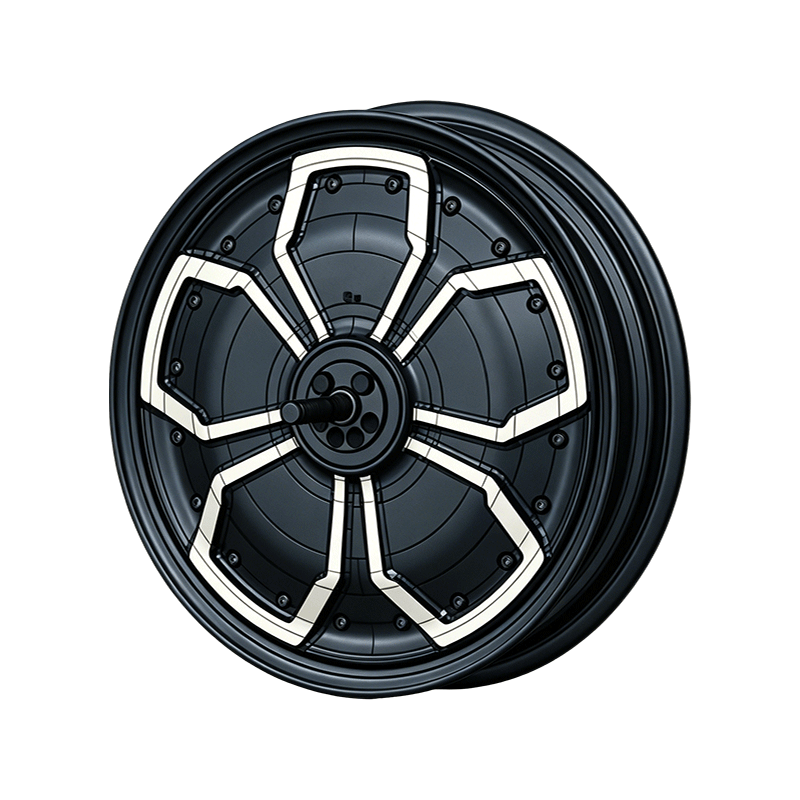
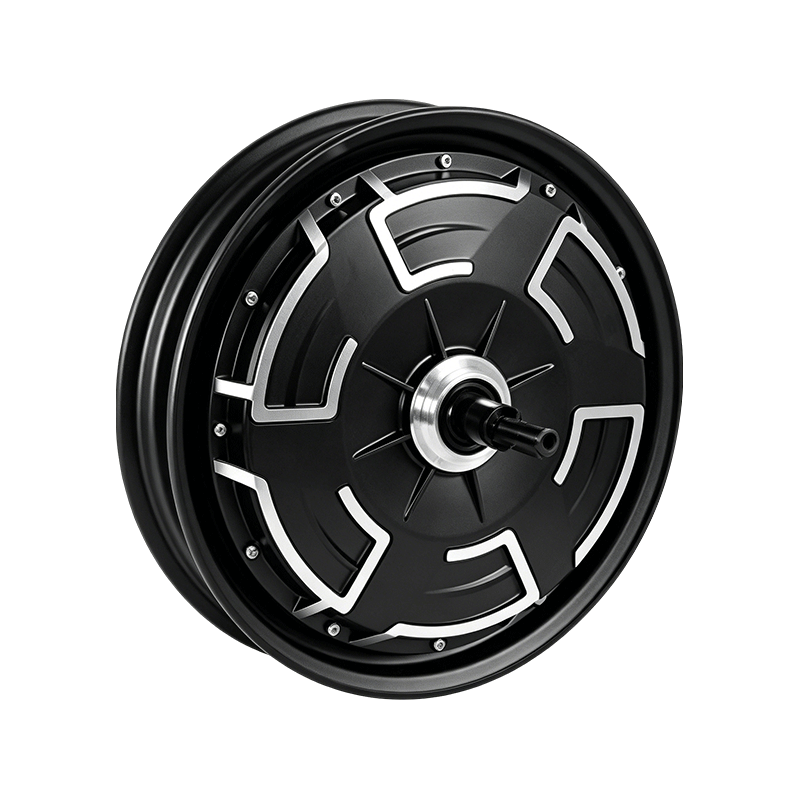
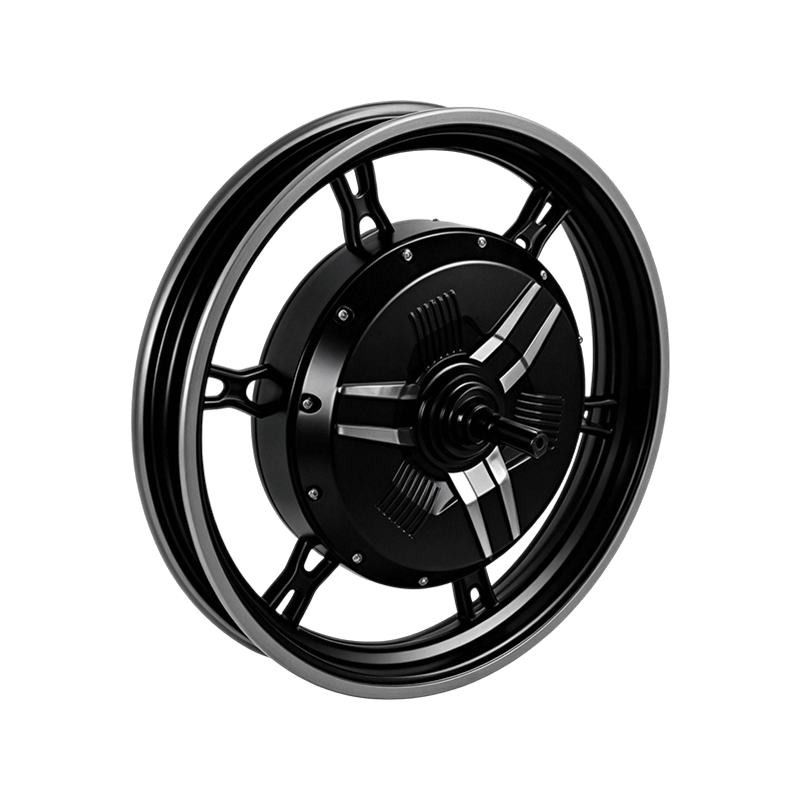
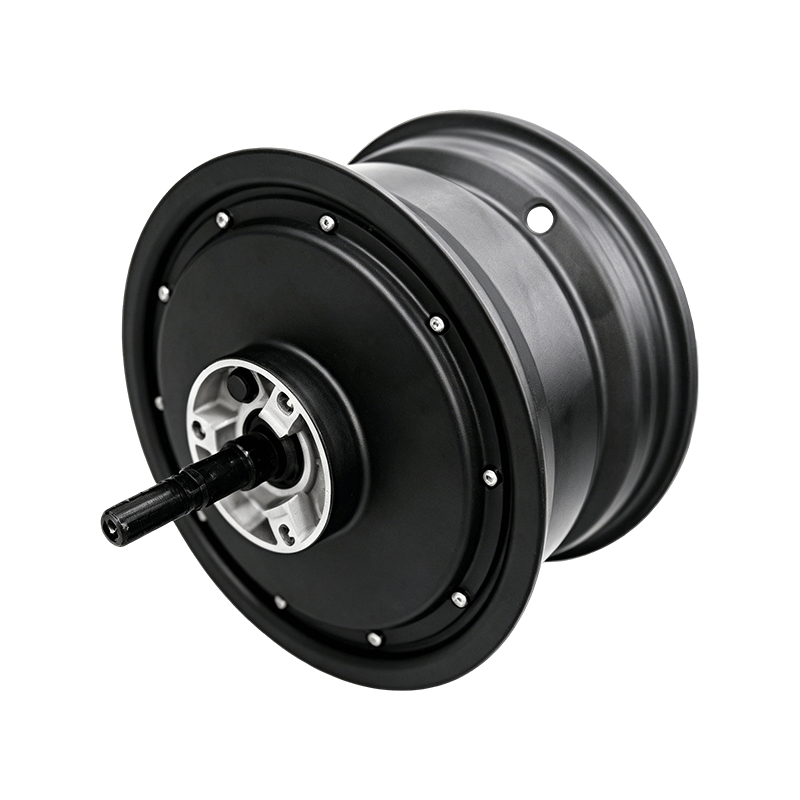
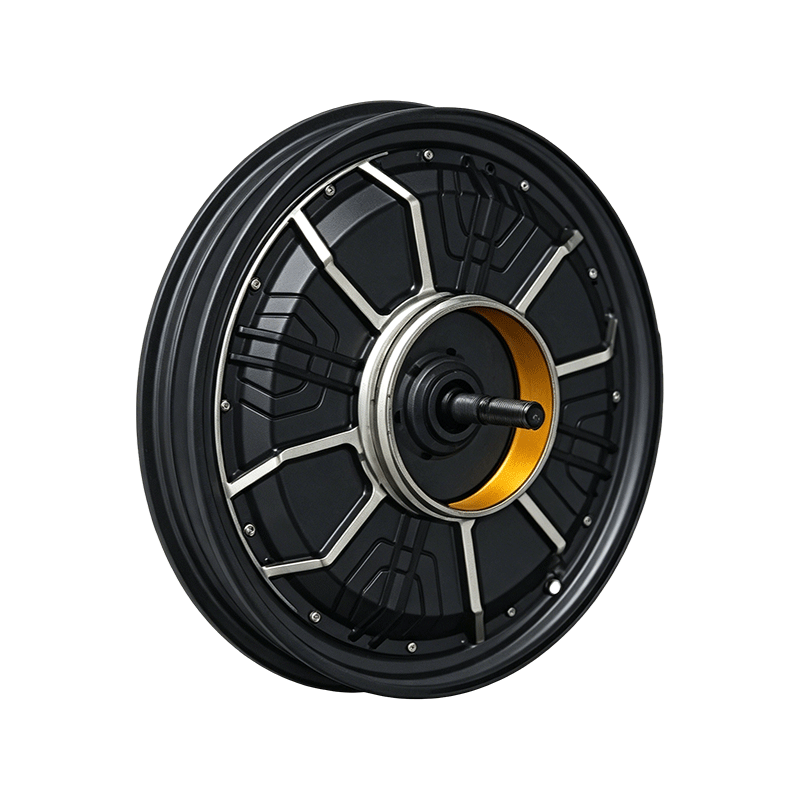
The process begins with defining the motor type. Hub motors sit inside the wheel hub and drive the wheel directly. Mid-drive motors mount near the bottom bracket and apply force through the bicycle’s chain or belt. Electric bike motors manufacturers select the configuration according to the intended use of the finished bicycle, whether for urban commuting, cargo transport, or recreational trails. Each approach requires distinct engineering solutions for torque delivery, heat management, and mounting interfaces.
Core Engineering Decisions
Material selection forms a central part of the work. Electric bike motors manufacturers choose stator and rotor materials that support efficient electromagnetic conversion while keeping overall mass low. Copper windings, permanent magnets, and laminated steel cores appear in various combinations. Housing materials range from aluminum alloys to engineered composites, selected for strength and thermal conductivity.
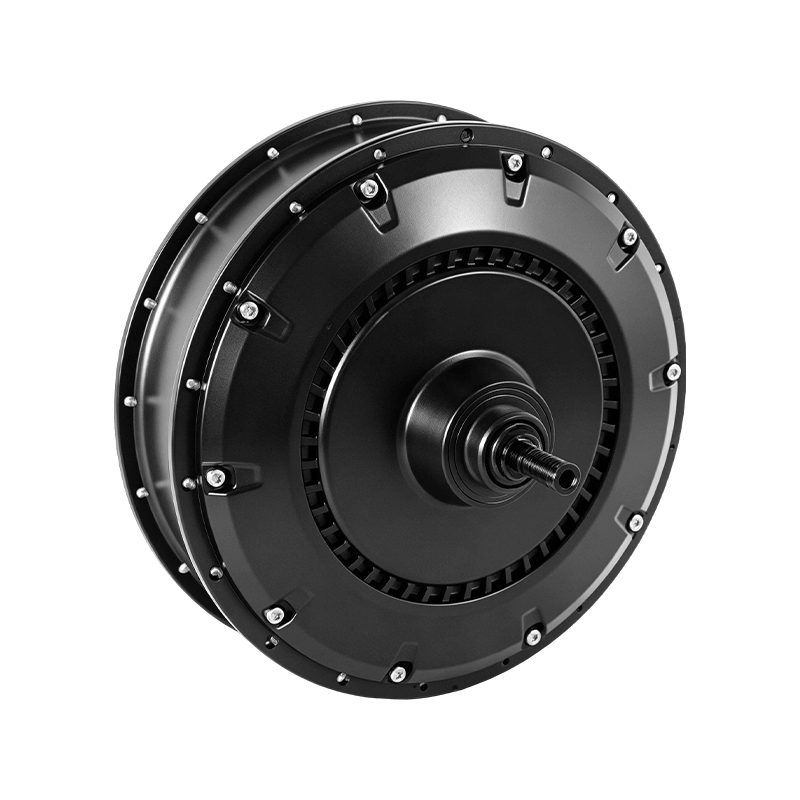
Gear systems or direct-drive layouts further differentiate the products. Geared motors use planetary or other reduction stages to multiply torque at lower motor speeds. Direct-drive designs eliminate intermediate gears and rely on larger diameter motors for equivalent force. Electric bike motors manufacturers evaluate these options against factors such as noise levels, mechanical complexity, and expected duty cycles.
Power and Control Integration
Motor performance depends heavily on the matching controller and battery interface. Electric bike motors manufacturers design units that communicate with external controllers through standardized or proprietary protocols. Sensors monitor cadence, torque, or speed and feed data to the control system so that assistance levels adjust in real time. The motor itself must tolerate the current profiles generated by these systems without excessive heating or efficiency loss.
Cooling methods vary. Some units rely on passive heat dissipation through the housing and spokes or frame contact points. Others incorporate internal airflow paths or external fins. The thermal design directly influences continuous power ratings and the ability of the motor to sustain output during climbs or extended high-load periods. Electric bike motors manufacturers test these characteristics under controlled laboratory conditions that simulate repeated load cycles.
Application Considerations in Bicycle Integration
Electric bike motors manufacturers supply units to bicycle brands and assembly operations that complete the vehicle. Mounting interfaces must align with common frame standards so that installers can secure the motor without custom fabrication. Cable routing, sensor placement, and dropout spacing receive detailed attention during the design phase.
Different markets favor different power classes. Lower-output motors suit lighter urban bicycles, while higher-torque versions support cargo models or steeper terrain. Electric bike motors manufacturers therefore maintain product ranges that cover multiple power bands and physical sizes. Compatibility with various battery voltages and display systems further expands the range of possible bicycle configurations.
The work of electric bike motors manufacturers centers on translating electrical energy into controlled mechanical assistance. Through careful choices in electromagnetic design, mechanical layout, and production methods, these companies provide the drive components that define the character of modern electric bicycles. Matching motor characteristics to the intended bicycle platform remains a constant focus throughout development and production.