

 English
 中文简体
中文简体Hub Motors vs. Mid-Drive Motors
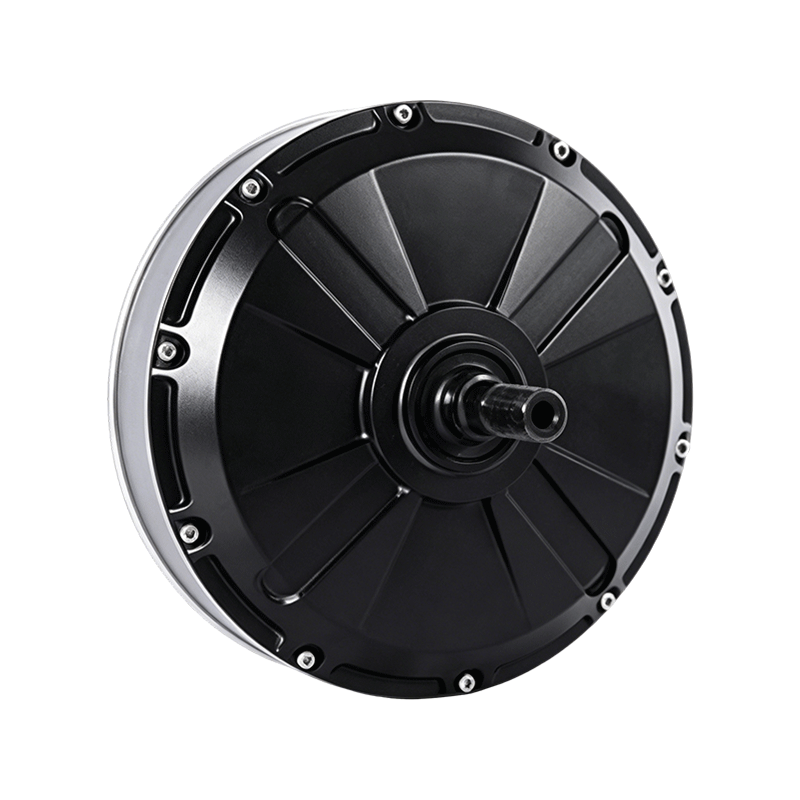
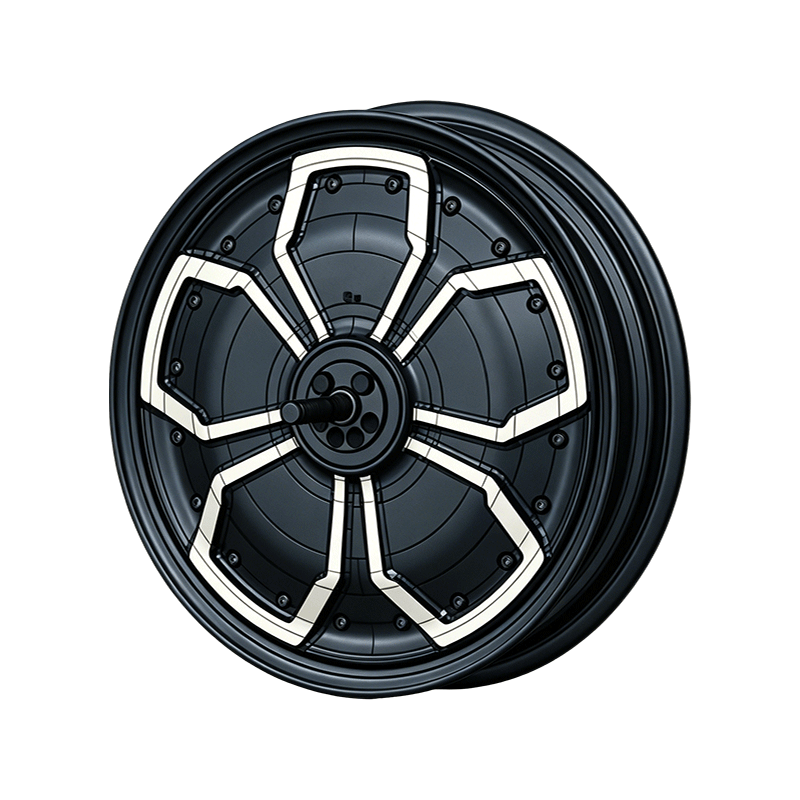
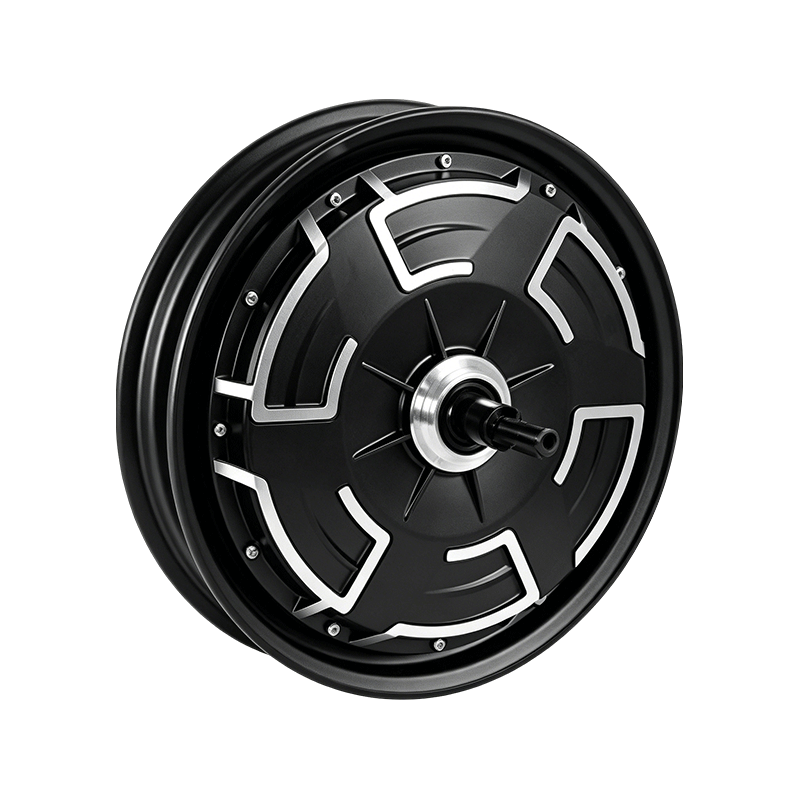
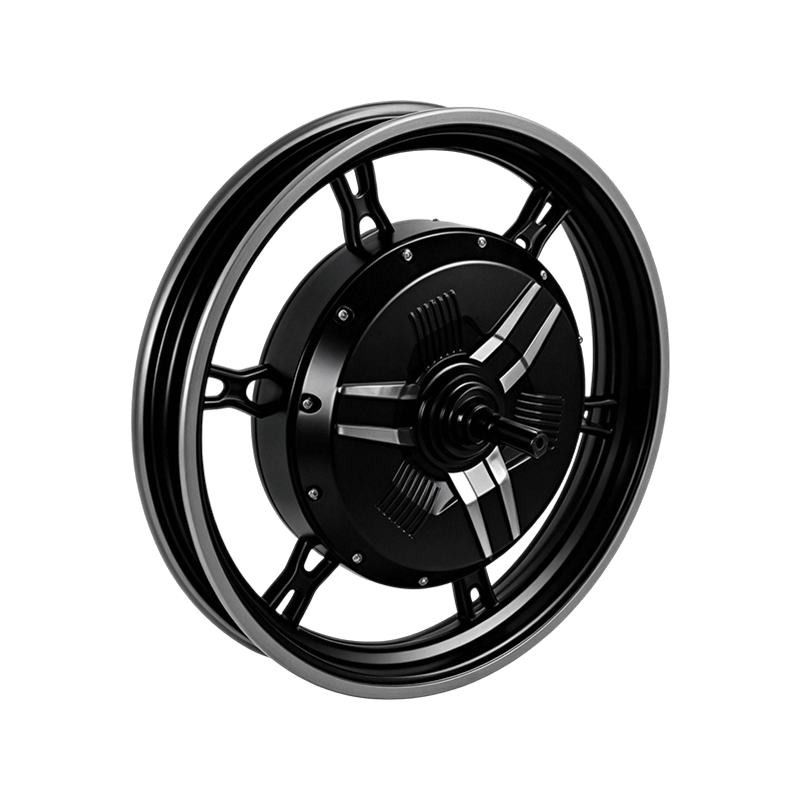
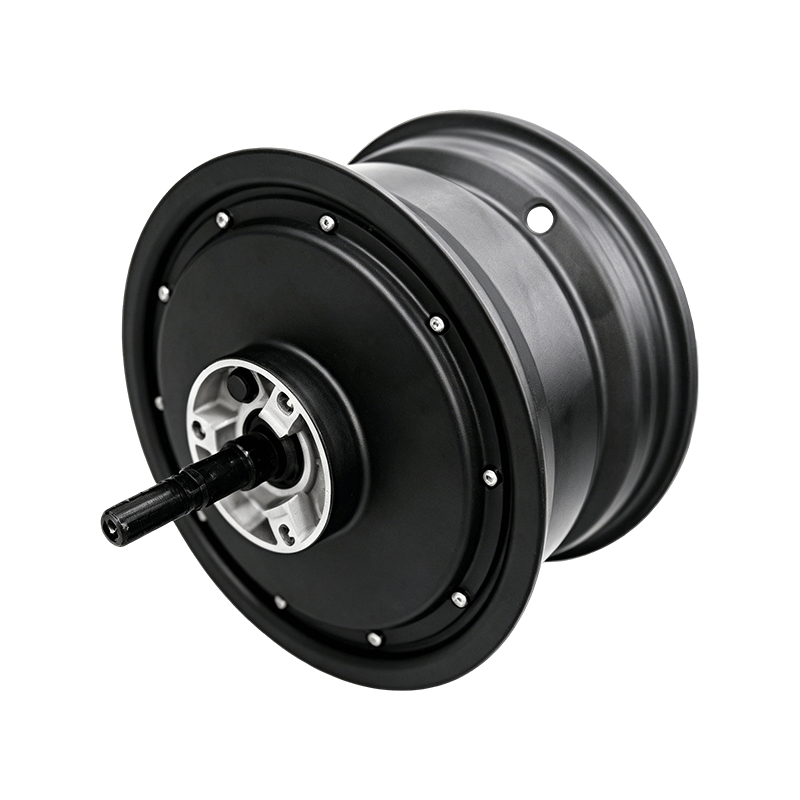
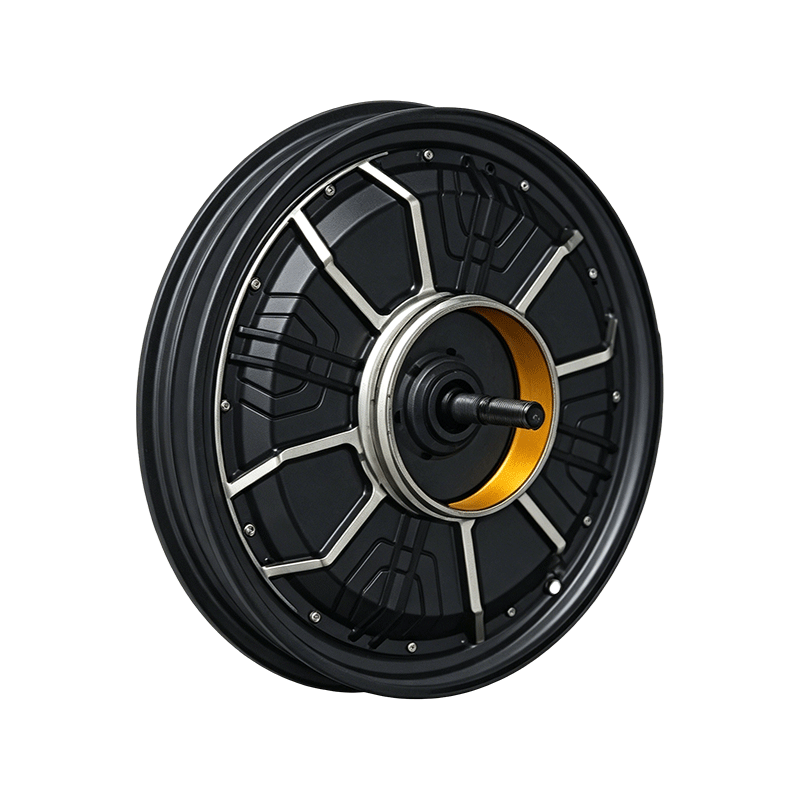
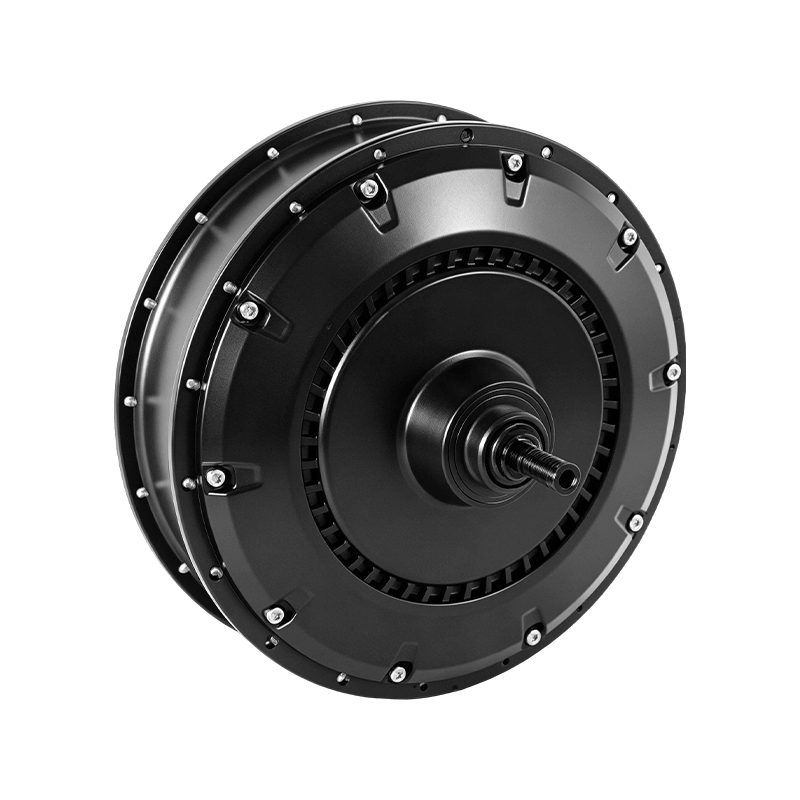
The fundamental distinction in electric bike motors is between hub-mounted and mid-drive configurations. Hub motors are integrated into the wheel — either the front or rear — and drive the bike by spinning the wheel directly. Mid-drive motors are positioned at the bottom bracket, between the pedals, and drive the chain rather than the wheel.
Hub motors are widely used because they are mechanically straightforward, relatively easy to install, and compatible with a broad range of frame types. They operate independently of the bike's drivetrain, which means gear changes do not affect motor performance and drivetrain wear is reduced. Rear hub motors provide a more natural riding feel than front-mounted versions, which can affect handling under power on loose or uneven surfaces.
Mid-drive motors interact with the bike's gearing system, which allows the motor to operate at a more consistent and efficient cadence across varied terrain. This makes them particularly suited to hilly riding and off-road applications where torque demands shift frequently. The trade-off is greater mechanical complexity and higher drivetrain wear compared to hub configurations.
Power Ratings and What They Mean
Electric bike motors are rated in watts, which reflects the motor's continuous power output under load. Common ratings across the segment include:
- 250W: Suited to flat urban riding, lighter riders, and markets where power output is restricted by local rules
- 500W: A practical middle range for mixed terrain, moderate hills, and heavier cargo loads
- 750W: Provides stronger hill-climbing capability and faster acceleration, common in North American market builds
- 1000W and above: Used in cargo bikes, off-road builds, and high-demand commercial applications where torque output takes priority over efficiency
Peak wattage figures quoted in product listings often exceed continuous ratings by a significant margin. Buyers evaluating motors should focus on continuous rated power and torque figures rather than peak numbers, which reflect short-duration output rather than sustained performance.
Torque and the Riding Experience
Torque, measured in Newton-meters (Nm), determines how forcefully a motor responds when the rider calls for assistance. A motor with higher torque accelerates more readily from a stop, handles inclines with less strain, and responds more immediately to pedal input. Mid-drive motors generally produce higher torque figures than hub motors of equivalent wattage, which is one reason they are favored for technical terrain.
Torque sensors and cadence sensors take different approaches to measuring rider input and triggering motor assistance. Torque-sensing systems measure the actual force applied to the pedals and scale motor output accordingly, producing a riding feel that riders describe as natural and intuitive. Cadence sensors detect whether the rider is pedaling and apply a fixed or stepped level of assistance, which is less nuanced but mechanically simpler and more cost-effective.
Compatibility and Integration Considerations
Electric bike motors do not operate in isolation. Key compatibility factors that affect how a motor performs in a complete build include:
- Battery voltage matching: Motors are rated for specific voltage ranges (typically 36V, 48V, or 52V), and mismatching voltage affects both performance and component lifespan
- Controller compatibility: The motor controller governs power delivery and must be matched to the motor's specifications
- Frame dropout width: Hub motor axle widths vary (commonly 135mm rear, 100mm front) and must correspond to frame spacing
- Display and sensor integration: Many motor systems use proprietary communication protocols that limit cross-brand component mixing
Buyers sourcing motors for production builds or retrofit kits should confirm full system compatibility before committing to volume orders. A motor that performs well in isolation may behave differently when paired with an incompatible controller or battery management system.
Where the Market Is Focused
Cargo e-bikes, commuter builds, and off-road platforms are currently driving the bulk of electric bike motor demand across both consumer and commercial channels. Rear hub motors continue to account for a large share of volume due to their lower entry cost and broad compatibility. Mid-drive systems are gaining ground in performance-oriented and premium-tier builds where riding feel and hill-climbing capability justify the additional complexity. For procurement teams and OEM builders, motor selection remains one of the earlier and more consequential decisions in any e-bike development or sourcing process.