

 中文简体
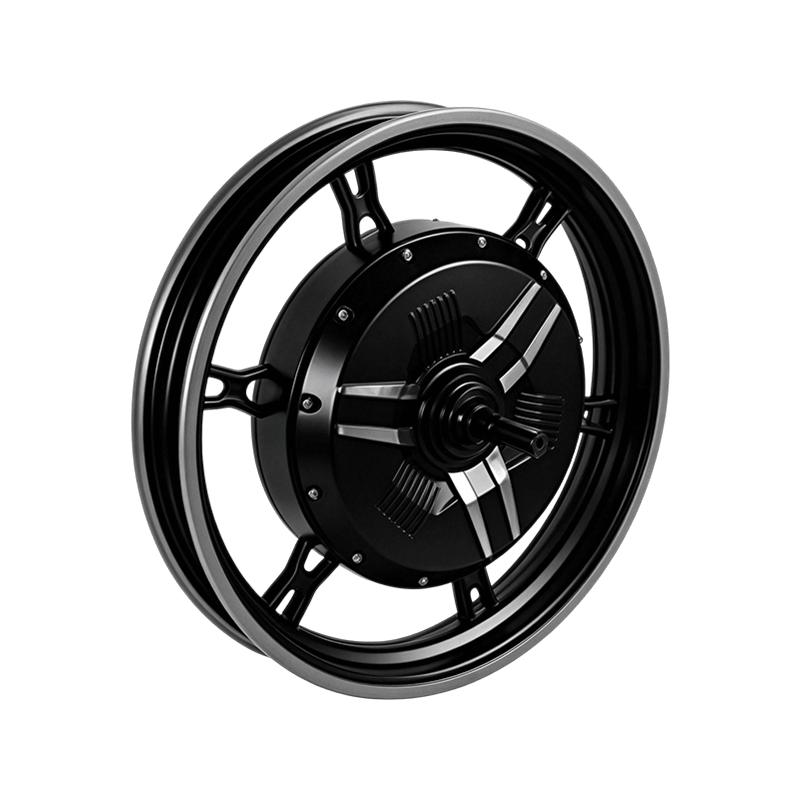
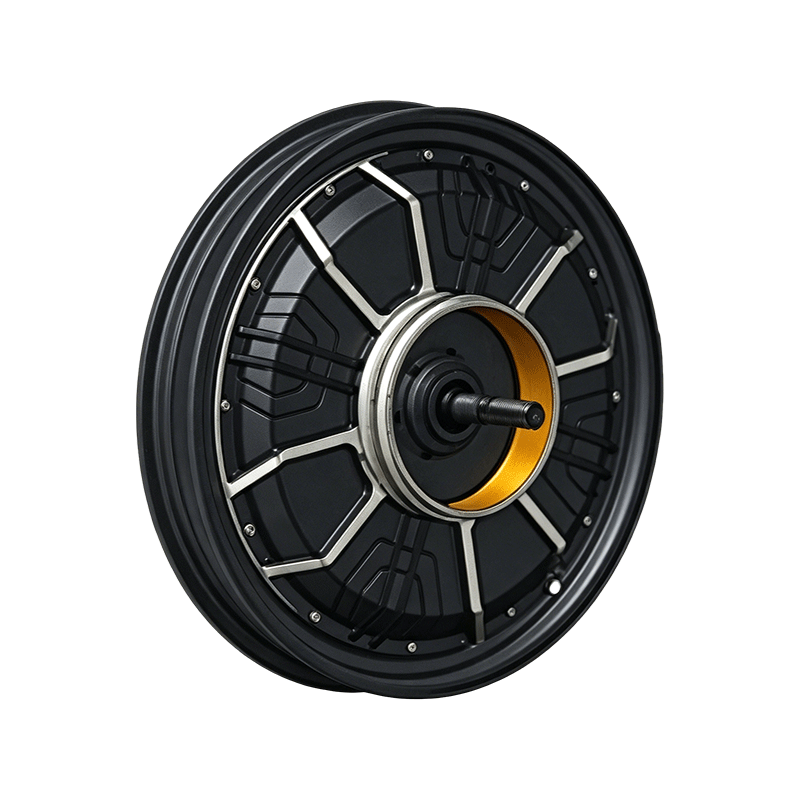
A bicycle leans against a workbench, its rear wheel removed and replaced by a heavy black hub that looks almost ordinary until the axle reveals thick wires. Within an hour the bike rolls under its own power. That transformation begins at a Hub motor kits factory, where the motor, controller, and supporting parts are designed and put together as a matched set.
From Steel Laminations to Wound Stators
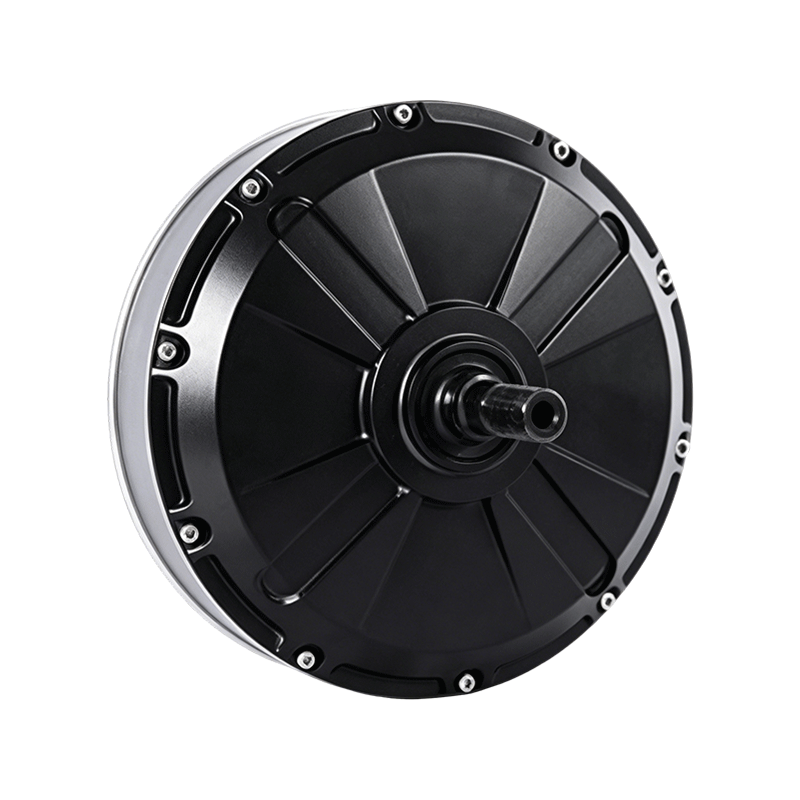
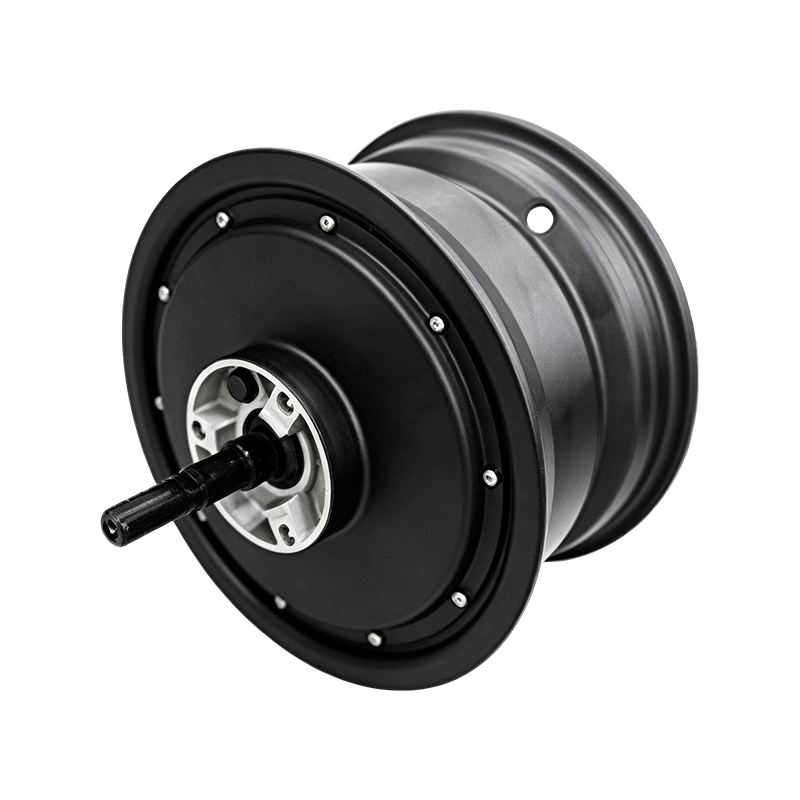
Inside the factory the process starts with thin steel laminations stacked to form the stator core. Machines remove enamel from copper wire ends, then wind the coils in precise patterns around the slots. After winding, the stator moves to a varnish station that locks the wires in place and improves heat transfer. Shafts are pressed into the finished stator, and Hall sensors are fitted so the controller can read rotor position.
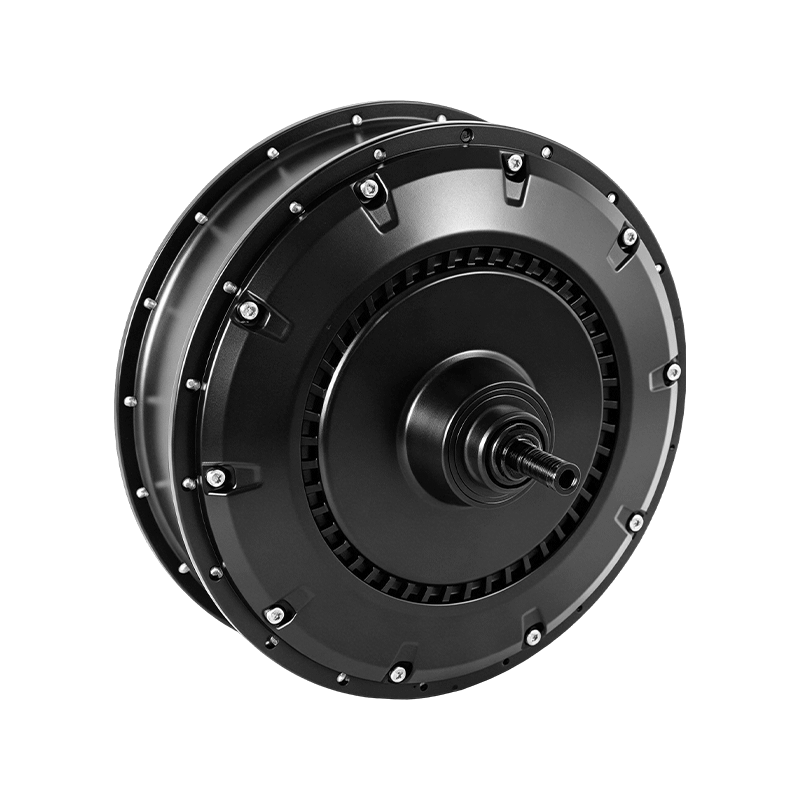
On a parallel line neodymium magnets are glued into the rotor shell. Automated dispensers apply adhesive in measured amounts, then the magnets settle into their pockets under controlled pressure. Once the glue cures, the rotor and stator come together with tight air-gap control. Bearings and oil seals follow, and the aluminum or steel covers close the assembly. Each motor leaves this section ready for wheel building or direct packaging.
Building Complete Conversion Sets
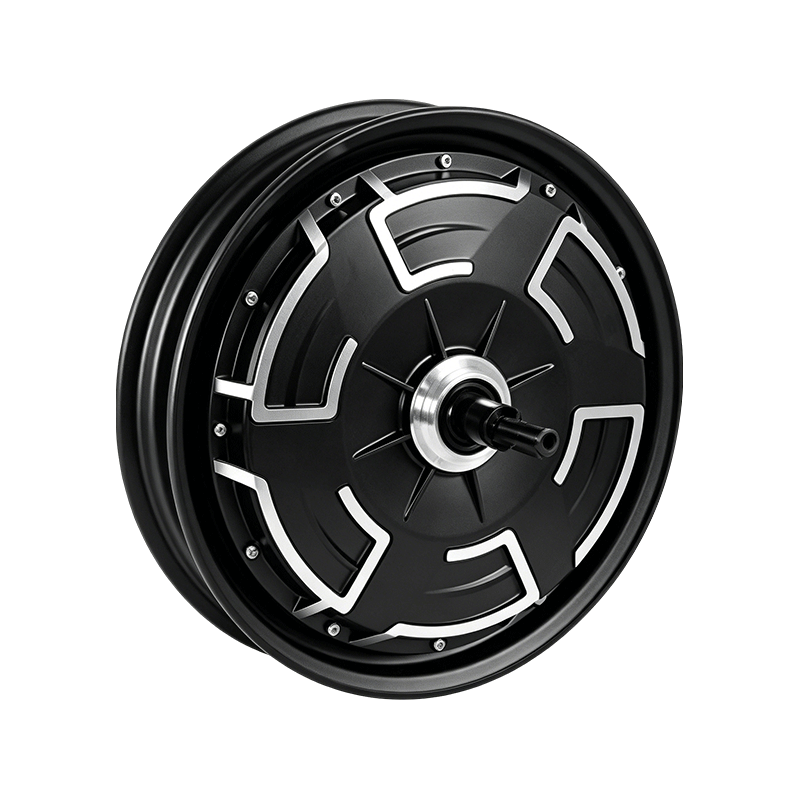
A Hub motor kits factory rarely ships bare motors alone. On the kit side, workers lace the finished motor into an aluminum rim using stainless spokes. The wheel is trued and tensioned so it runs true under load. Controllers arrive pre-programmed for the motor’s voltage and current limits. Displays, throttles, brake sensors, and wiring harnesses are packed with the matching connectors already installed.
Batteries, when included, are matched to the system voltage and capacity. Chargers and mounting hardware complete the box. Because every major part originates under the same roof, the connectors fit and the power curves align without extra adapters. Factories that handle both geared and direct-drive motors keep separate lines so the internal planetary gears of one style never mix with the open-frame magnets of the other.
Daily Life After Installation
Once mounted, the hub motor responds to the throttle or pedal sensor with smooth torque. Riders feel the assistance as a steady push rather than a sudden surge. On flat roads the system can cruise at moderate speeds; on climbs it supplies the extra force needed to keep cadence comfortable. The lack of external gears or chains means fewer points of mechanical wear during ordinary use.
Workshops that convert fleets of shared bikes or delivery cycles value the consistency that comes from a single Hub motor kits factory source. Replacement motors match the original controllers, and spare displays plug in without rewiring. The result is a practical upgrade path that turns ordinary bicycles into reliable electric ones without requiring a complete new frame.
A Hub motor kits factory therefore sits at the center of a quiet but widespread shift: ordinary bikes gaining electric assist through a self-contained wheel motor and its supporting electronics. From the lamination stack to the final packaged kit, the process remains focused on matching mechanical strength with electrical control so that the finished product simply works when the rider twists the throttle or presses the pedals.