

 English
 中文简体
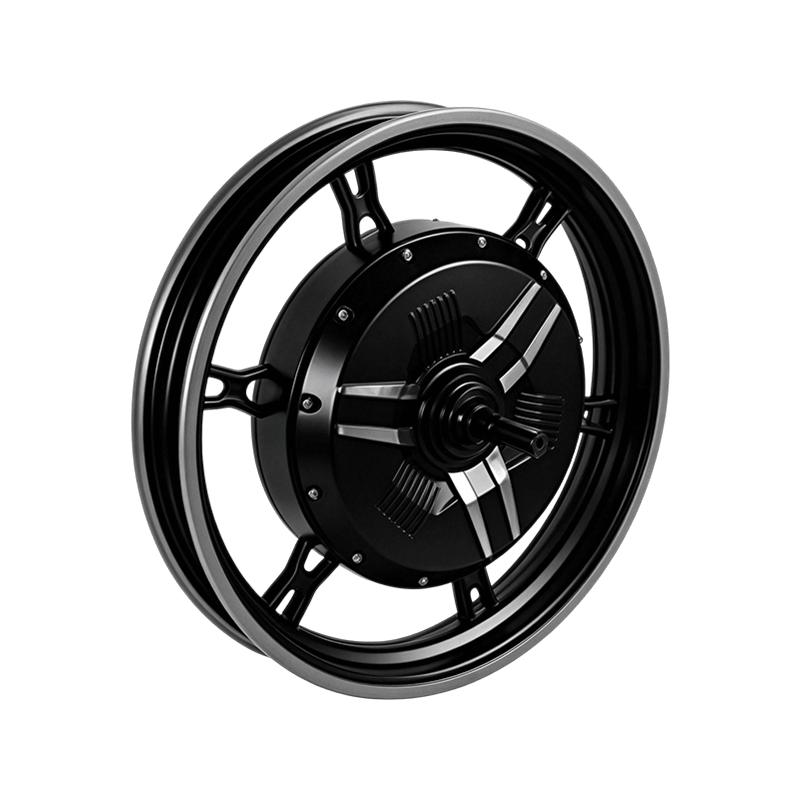
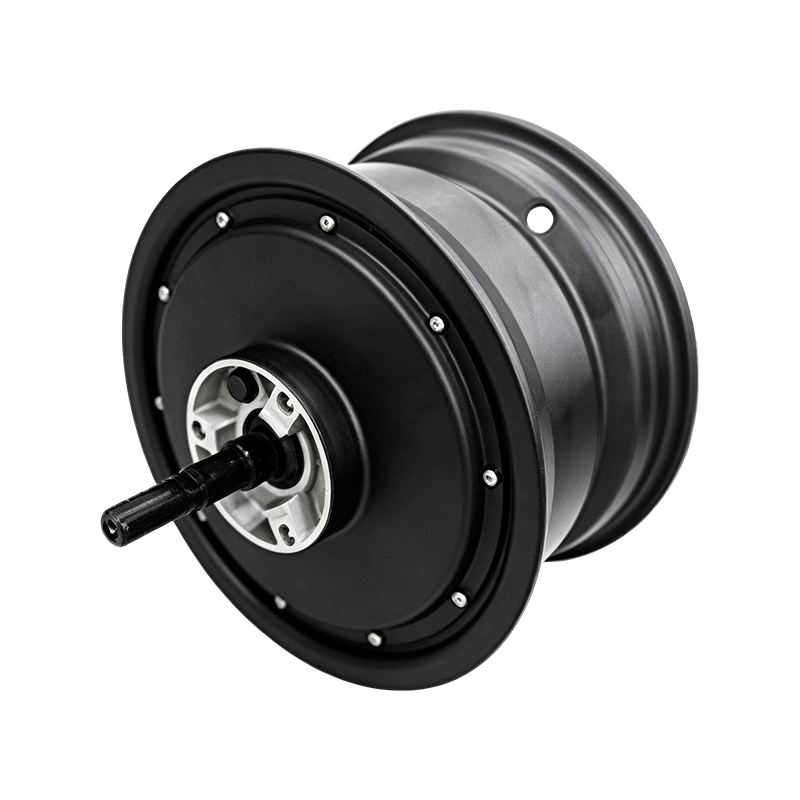
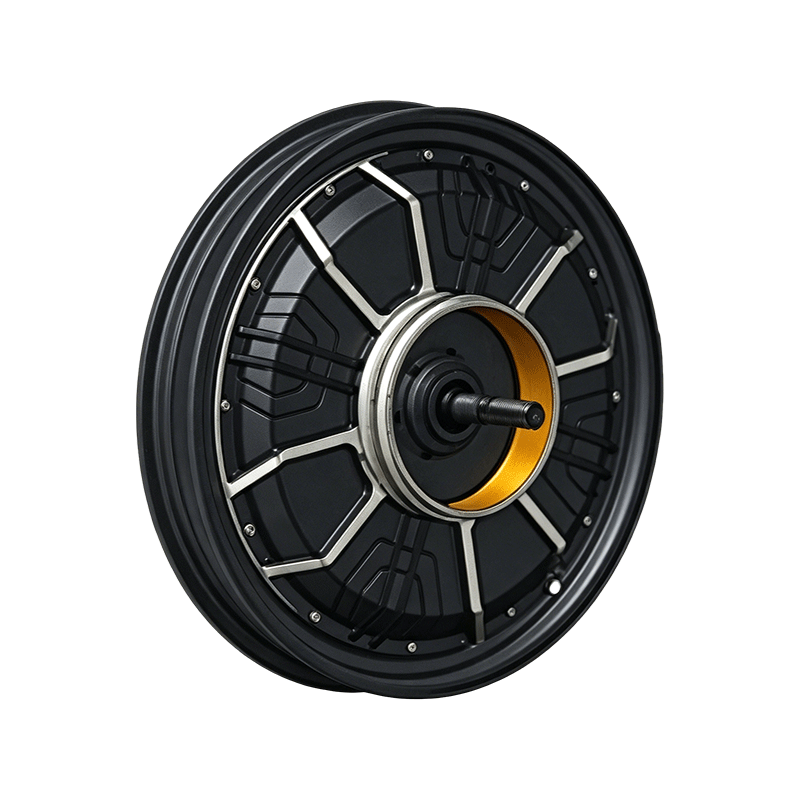
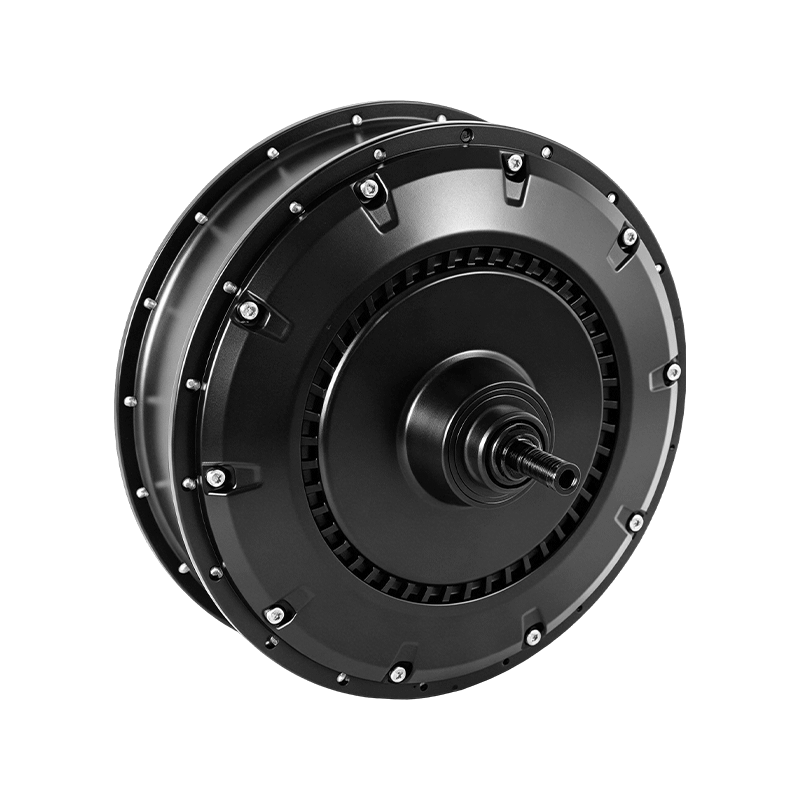
An electric two-wheeler motor forms the core of many lightweight vehicles used for short and medium-distance movement. Engineers and fleet operators examine its power delivery, size, and response characteristics when selecting components for scooters, mopeds, and similar platforms. The electric two-wheeler motor converts stored energy into rotational force with a direct and predictable pattern, which supports consistent acceleration and controlled speed across varied road conditions.
Core Structure and Working Principles
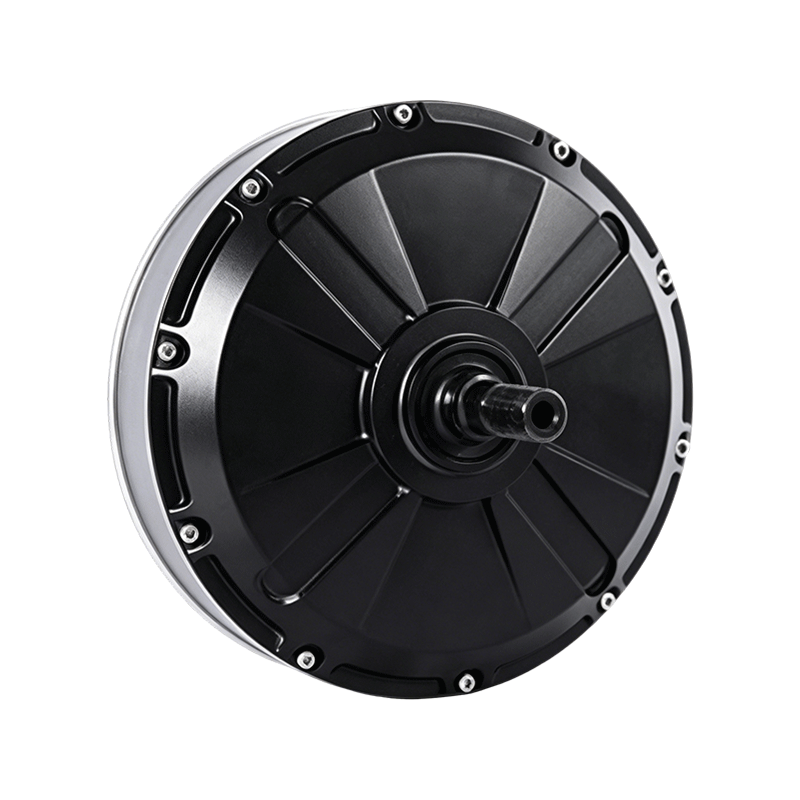
The electric two-wheeler motor typically relies on a brushless design or a similar configuration that reduces mechanical friction. Stator and rotor elements interact through magnetic fields to produce torque. Controllers regulate current flow so the motor responds smoothly to throttle input. This arrangement keeps the unit compact enough to fit within limited frame space while still generating sufficient force for urban loads.
Heat management remains a practical consideration during continuous operation. Housing materials and internal airflow paths help dissipate warmth generated under sustained load. The electric two-wheeler motor therefore maintains stable output during stop-and-go traffic or moderate inclines without rapid performance drop.
Power Characteristics in Real Conditions
Torque availability at low speeds gives the electric two-wheeler motor an advantage in crowded city streets. Riders can start from a standstill with controlled force rather than sudden surges. At higher speeds the motor sustains cruising levels with modest energy draw. These traits make the unit suitable for mixed routes that combine residential lanes and arterial roads.
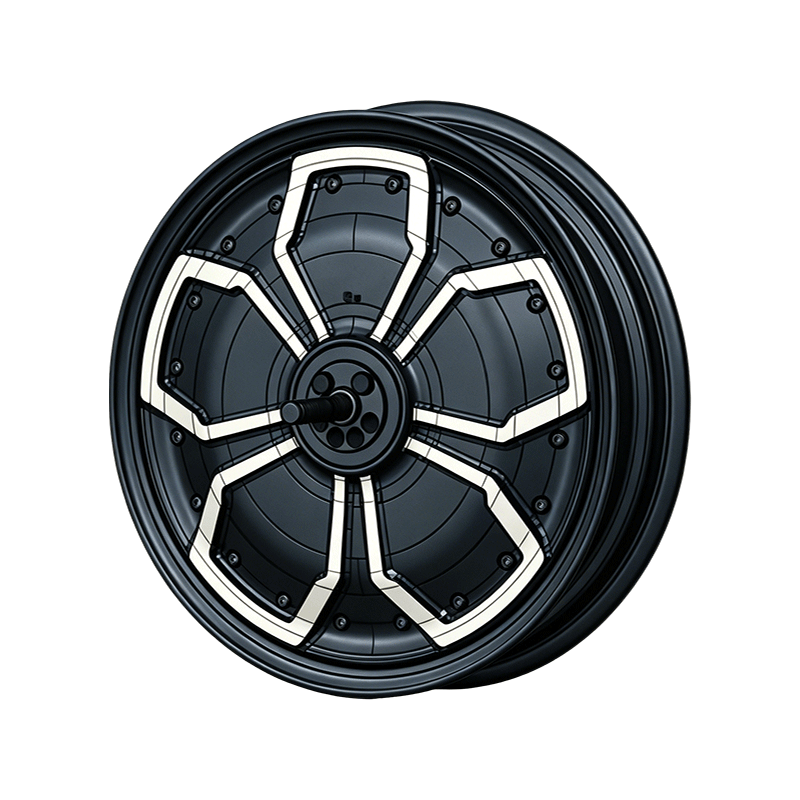
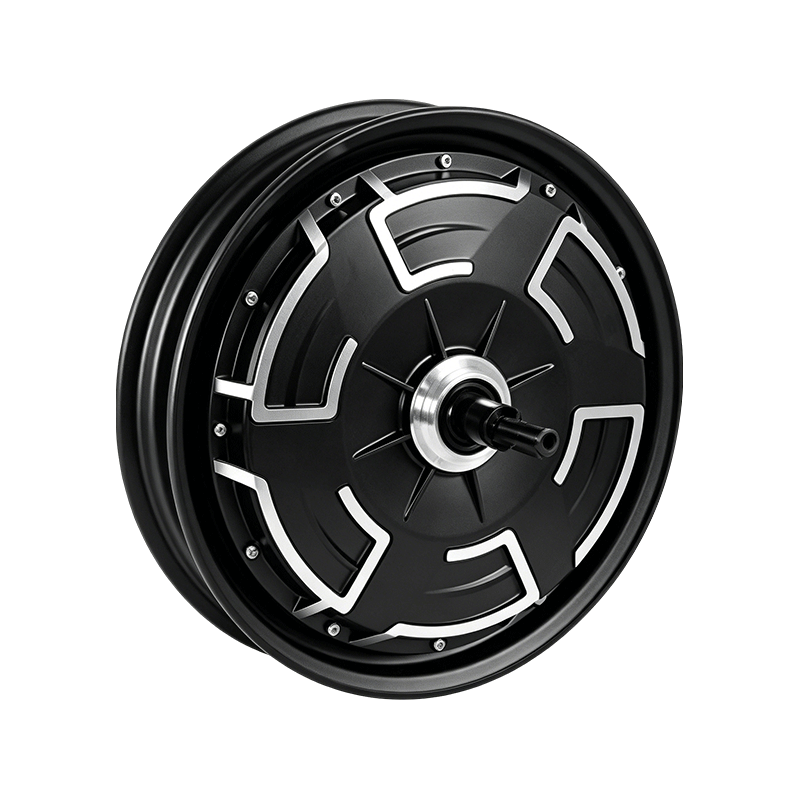
Weight distribution also influences handling. A centrally mounted electric two-wheeler motor keeps the center of gravity low, which improves balance during turns and when carrying light cargo. Frame designers account for this placement when arranging batteries and other components so the overall vehicle remains stable.
Application Across Different Use Cases
Delivery fleets often specify the electric two-wheeler motor for its predictable energy use over repeated short routes. The unit accelerates quickly between stops and recovers efficiently during deceleration in systems that include regenerative capability. Shared mobility operators value the same traits because vehicles return to service with minimal downtime between users.
Individual platforms for commuting also benefit. The electric two-wheeler motor provides enough power for typical passenger weights while keeping the vehicle agile in narrow streets. Noise levels stay low compared with combustion alternatives, which suits residential zones and early-morning schedules.
Material and Construction Details
Copper windings and high-grade magnets form the active elements inside the electric two-wheeler motor. Protective coatings on internal surfaces resist moisture and dust common in outdoor use. Sealed bearings support continuous rotation with limited wear under normal operating loads. These construction choices contribute to steady output over extended service periods.
External casings use alloys or reinforced composites that balance strength and mass. Mounting points align with standard frame interfaces so assembly teams can install the motor without custom fabrication. This standardization supports volume production and simplifies replacement when required.
Operational Behavior Under Varied Loads
When carrying a rider plus light cargo the electric two-wheeler motor draws current in proportion to demand. Controllers limit peak draws to protect both the motor and the battery pack. On flat ground the unit settles into an efficient cruising state. On moderate hills it increases torque output while remaining within thermal limits.
Response time stays short. From throttle input to wheel rotation the delay remains minimal, which gives the rider a direct sense of control. This characteristic proves useful in traffic situations that require quick adjustments in speed or direction.