Home / Motor & Controller
About
Zhejiang Jiuzhou New Energy Co., Ltd.

Zhejiang Jiuzhou New Energy Co., Ltd. was established in 2000. It is a professional manufacturer of new energy drive motors and control systems, specializing in the field of permanent magnet DC motors and controllers. It is a new energy technology enterprise integrating R&D, production, and sales. Based on a fully independent production chain of core components and in-depth research in the power system field of electric two-wheelers, we provide motor and controller solutions for industries such as electric vehicles, robots, water pumps,s and fans. It is in a well-known position in the global field of electric two-wheeler drive motors. It has three major manufacturing bases in Zhejiang, Jiangsu,su and Chongqing. Among them, the company's headquarters is located in Zeguo Town, Wenling City, Taizhou City, Zhejiang Province, with an annual output value of over 1 billion yuan.

Relying on the company's strong industrial chain and scale advantages, a complete modern management system, strong independent research and development capabilities, advanced production equipment, and a professional management team, the company's products are of excellent quality. It has successively passed professional and authoritative certifications such as ISO9001 Quality Management System, IATF16949:2016 Automotive Quality Management System, ISO14001 Environmental Management System, ISO45001 Occupational Health and Safety Management System, IPMS Intellectual Property Management System, Two-in-One Integration Standardization System, CQC, 3C, and CE. It has nearly two hundred national patents. It has successively won honors and qualifications such as "National High-tech Enterprise", "National Specialized, Refined, Unique and Innovative 'Little Giant' Enterprise", "National Intellectual Property Demonstration Enterprise", "National Postdoctoral Workstation", "Provincial Enterprise Research Institute", "Provincial Enterprise Technology Center", "Zhejiang Province AAA-level Contract-abiding and Creditworthy Enterprise", "Zhejiang Manufacturing Quality Product", and "Zhejiang Province Digital Workshop". The company's products sell well both at home and abroad, and have gained the trust of many partners and users. It has now become a well-known brand in the field of power systems for electric two-wheelers in China.

Jiuzhou New Energy Technology takes "providing advanced power systems for electric drive products" as its corporate mission. It has always been dedicated to the independent research and development and technological innovation of electric vehicle drive systems, committed to providing customers with complete system solutions for electric drive products, providing high-quality power for green travel, and steering the industry towards energy conservation, environmental protection,n and high quality.


Certificate Of Honor
  • High-Tech Enterprise
  • National High-Tech Enterprise
  • National Specialized, Refined, Unique and Innovative
  • National Intellectual Property Demonstration Enterprise
  • National Intellectual Property Advantage Enterprise
  • Postdoctoral Research Center
  • Zhejiang Provincial Enterprise Technology Center (Bronze Plaque)
  • Provincial-level Enterprise Research Institute (Bronze Medal)
  • Provincial High-tech Enterprise Research and Development Center Bronze Medal
  • Model Unit for Building a Clean and Honest Private Enterprise in Zhejiang Province in 2023
  • Zhejiang Province AAA-level
  • Zhejiang Provincial Postdoctoral Research Station
What's New
  • Industry News - Sep 08, 2023
    How To Choose The Suitable Motor Type For Electric Bike Motors?
    Choosing the right electric bike motor is a crucial decision that can significantly impact your e-bike's performance and overall riding experience. Riding Style and Terrain: Determine where and how you plan to ride your electric bike. Are you primarily commuting on flat city streets, tackling hilly terrain, or venturing off-road? Different motor types excel in various environments. Motor Placement: Electric bike motors can be installed in three main locations: in the front wheel (front hub motor), rear wheel (rear hub motor), or within the bike frame (mid-drive motor). The placement affects the bike's balance, handling, and efficiency. Power Rating: Electric bike motors are rated in watts (W). Higher wattage motors generally provide more power, which is particularly important for hill climbing and carrying heavy loads. However, local regulations may limit the maximum wattage allowed on e-bikes. Torque: Torque measures the motor's twisting force, which is critical for climbing steep hills and accelerating quickly. A high-torque motor can make your ride more enjoyable, especially in challenging terrains. Pedal Assist vs. Throttle: Decide whether you prefer a pedal-assist system, where the motor amplifies your pedaling effort or a throttle-controlled system that allows you to accelerate without pedaling. Some e-bikes offer both options. Battery Compatibility: Ensure that the motor you choose is compatible with the battery you plan to use. The motor and battery must have matching voltage and connectors. Regulations and Laws: Familiarize yourself with local e-bike regulations and laws. Different regions have specific rules regarding motor power, speed limits, and where you can ride e-bikes. Cost: Electric bike motors come in various price ranges. Consider your budget and weigh it against the features and performance you desire. Maintenance: Some motors require more maintenance than others. For example, mid-drive motors may need more attention due to their location within the frame. Consider your willingness and ability to perform maintenance tasks. Brand Reputation and Support: Choose a reputable motor manufacturer with a track record of reliability and customer support. Read reviews and seek recommendations from fellow e-bike enthusiasts. Noise Level: Electric bike motors can vary in noise levels. Quieter motors provide a more enjoyable riding experience, especially if you plan to use your e-bike in quiet or residential areas. Weight: Consider the weight of the motor and how it affects the overall weight of your e-bike. Lighter motors can make your bike more manageable, especially if you need to lift or transport it. Integration: Some electric bike motors are designed to seamlessly integrate with specific bike frames. If aesthetics are important to you, consider a motor that blends well with your bike's design. In summary, choosing the right electric bike motor involves a careful evaluation of your riding needs, terrain, budget, and local regulations. It's essential to strike a balance between power, efficiency, and compatibility to ensure a satisfying e-biking experience. Research thoroughly, test ride different e-bikes with various motors if possible, and consult with experts or your local bike shop for personalized guidance. With the right motor, you can enjoy enhanced cycling adventures and a more eco-friendly commute.
    Browse More
  • Industry News - Aug 28, 2023
    The Evolution and Power of Hub Motor Kits in Electric Mobility
    In the dynamic landscape of electric transportation and sustainable mobility, Hub Motor Kits have emerged as a revolutionary solution that transforms conventional bicycles into efficient and eco-friendly electric vehicles. These all-inclusive kits play a pivotal role in electrifying the cycling experience, providing riders with the ability to effortlessly cruise through urban streets and rugged terrains alike. From urban commuters seeking a seamless alternative to cars to adventure enthusiasts looking to explore new horizons, Hub Motor Kits are at the forefront of revolutionizing electric mobility with their ease of installation, versatility, and power. The significance of Hub Motor Kits becomes evident in their transformative role in bicycle electrification. These kits are designed to retrofit conventional bicycles with electric propulsion, seamlessly integrating a powerful hub motor into the wheel. Whether it's effortlessly tackling steep inclines or extending the range of rides, Hub Motor Kits empower cyclists to go farther and conquer challenging terrains without breaking a sweat. Hub Motor Kits incorporate cutting-edge technology and engineering to deliver a potent and efficient riding experience. Many kits offer various power levels, allowing riders to choose the level of assistance they need. With options for pedal-assist and full electric modes, the integration of sensors, batteries, and intuitive control systems ensures a smooth and enjoyable ride, making electric mobility accessible to riders of all fitness levels. Using Hub Motor Kits is both convenient and empowering. Riders can install the kit on their existing bicycle, converting it into an electric vehicle without the need for complex modifications. Once installed, riders can engage the electric assistance at their discretion, effortlessly toggling between modes for different riding scenarios. This adaptability encourages more people to embrace electric mobility, contributing to reduced carbon emissions and congestion in urban areas. The value of Hub Motor Kits extends beyond their role in individual transportation. By utilizing these kits, cyclists contribute to a more sustainable and eco-friendly mobility landscape. The increased adoption of electric bicycles has the potential to transform commuting habits, reduce dependence on fossil fuels, and promote healthier lifestyles. Hub Motor Kits embody the fusion of technology and sustainability, offering a practical and efficient solution for modern transportation challenges. As the world witnesses the rise of electric mobility and the importance of sustainable transportation, Hub Motor Kits have become a driving force in the paradigm shift. Innovations in motor technology and battery efficiency are ongoing, with manufacturers constantly pushing the boundaries of power and range. These advancements ensure that Hub Motor Kits provide a reliable and essential solution for individuals seeking an electrifying mode of transportation. In the journey of Hub Motor Kit innovation, versatility and efficiency intertwine seamlessly. The combination of advanced engineering and user-friendly features is a testament to the dedication and expertise of professionals in the electric mobility sector. The sight of Hub Motor Kits on city streets and nature trails is a reminder of the transformative potential of technology in redefining transportation, enhancing accessibility, and contributing to a more sustainable future. Hub Motor Kits epitomize the convergence of technology and mobility in the realm of electric transportation. Their power, simplicity, and eco-conscious features make them an indispensable tool for electrifying cycling experiences and promoting sustainable mobility. With their ability to empower urban commutes, enable outdoor exploration, and reshape transportation habits, Hub Motor Kits invite us to explore the synergy of innovation and sustainability, embrace the advancements in electric mobility, and embark on a journey of electrifying rides and a greener future.
    Browse More
  • Industry News - Aug 25, 2023
    Exploring the Advancements and Power of Electric Bike Motors
    In the ever-evolving landscape of transportation and sustainability, Electric Bike Motors have emerged as a groundbreaking innovation that redefines the concept of cycling. These powerful motors play a pivotal role in enhancing the mobility experience, providing assistance to cyclists and revolutionizing the way we navigate urban environments and rugged terrains alike. From city commuters seeking an efficient alternative to cars to outdoor enthusiasts craving an electrifying adventure, Electric Bike Motors are at the forefront of propelling us into a new era of eco-friendly and efficient transportation. The significance of Electric Bike Motors becomes evident in their transformative role in cycling. These motors are intricately integrated into bicycle frames, offering varying levels of assistance to riders. Whether it's a gentle boost during uphill climbs or an extended range for longer commutes, Electric Bike Motors seamlessly enhances the cycling experience, making it accessible to a broader range of individuals and fitness levels. Electric Bike Motors incorporate cutting-edge technology and engineering to deliver powerful and efficient performance. Many motors feature multiple modes, such as pedal-assist and full electric modes, allowing riders to customize their level of assistance based on terrain and preference. The integration of sensors, batteries, and sophisticated control systems ensures a smooth and intuitive riding experience, making cycling a joy for both seasoned cyclists and newcomers. Using Electric Bike Motors is both intuitive and empowering. Riders can activate the motor assistance with a simple button press or through the bike's onboard computer interface. The assistance can be adjusted on the go, giving cyclists the freedom to tailor their ride to their desired level of exertion. This flexibility not only encourages more people to embrace cycling but also contributes to reducing carbon emissions and traffic congestion in urban areas. The value of Electric Bike Motors extends beyond their role in individual commuting. By utilizing these motors, cyclists contribute to a more sustainable and eco-friendly transportation ecosystem. The increased adoption of electric bikes has the potential to reduce the environmental impact of traditional vehicles, enhance air quality, and promote healthier lifestyles. Electric Bike Motors is a testament to the intersection of technology and sustainability, offering a viable and efficient transportation solution for modern society. As the world embraces the importance of reducing carbon footprints and embracing greener alternatives, Electric Bike Motors have become a cornerstone of the mobility revolution. Innovations in motor design and battery technology are ongoing, with manufacturers constantly pushing the boundaries of efficiency and power. These advancements ensure that Electric Bike Motors provides a reliable and essential solution for individuals seeking an environmentally conscious mode of transportation. In the journey of Electric Bike Motor innovation, power and sustainability intertwine seamlessly. The combination of advanced engineering and eco-friendly features is a testament to the dedication and expertise of professionals in the transportation industry. The sight of Electric Bike Motors on city streets and mountain trails is a reminder of the transformative potential of technology in reimagining the way we move, reducing our carbon footprint, and contributing to a more sustainable future. Electric Bike Motors epitomize the fusion of technology and mobility in the realm of transportation. Their power, versatility, and eco-conscious features make them indispensable tools for enhancing the cycling experience and reducing our impact on the environment. With their ability to revolutionize urban commuting, empower outdoor exploration, and promote a greener way of life, Electric Bike Motors invites us to explore the synergy of innovation and sustainability, embrace the advancements in electric mobility, and embark on a journey of electrifying rides and a brighter future.
    Browse More
  • Industry News - Aug 18, 2023
    The Power Behind the Glide: Exploring the Electric Scooter Motor
    Electric scooters have rapidly transformed urban transportation, offering a convenient and eco-friendly mode of travel. At the heart of these sleek and silent machines lies the electric scooter motor, a marvel of engineering that propels riders forward with efficiency and elegance. This article delves into the intricacies of the electric scooter motor, shedding light on its technology, benefits, and impact on modern commuting. 1. Efficient Propulsion: The electric scooter motor is the powerhouse responsible for converting electrical energy into mechanical motion. It drives the wheels, propelling the scooter forward while requiring minimal physical effort from the rider. Unlike traditional internal combustion engines, electric motors operate with impressive efficiency, delivering power to the wheels with little energy wastage. 2. Silent Operation: One of the most noticeable and appreciated features of electric scooters is their near-silent operation, made possible by the electric motor. The absence of noisy engines enhances the overall riding experience and reduces noise pollution in urban environments, contributing to quieter and more peaceful streets. 3. Brushless DC Motors: Many modern electric scooters employ brushless DC (BLDC) motors. These motors offer several advantages, including improved efficiency, greater durability, and reduced maintenance requirements. BLDC motors eliminate the need for brushes that wear down over time, resulting in a longer lifespan and smoother operation. 4. Torque and Acceleration: Electric scooter motors are known for delivering impressive torque from a standstill. This characteristic translates to quick acceleration, making electric scooters ideal for navigating through city traffic and congested streets. The immediate and responsive acceleration adds to the overall safety and maneuverability of the scooter. 5. Regenerative Braking: Regenerative braking is a remarkable feature in many electric scooters that harnesses the motor's power generation capabilities. When the rider brakes or decelerates, the electric motor reverses its operation and acts as a generator, converting kinetic energy back into electrical energy. This energy is then stored in the scooter's battery, effectively extending its range and contributing to energy efficiency. 6. Eco-Friendly Commuting: The electric scooter motor's contribution to eco-friendly commuting cannot be overstated. By relying on electricity instead of fossil fuels, electric scooters emit zero tailpipe emissions, reducing air pollution and greenhouse gas emissions. This aligns with the global push for sustainable transportation options and cleaner urban environments. 7. Modular Design and Customization: Electric scooter motors often feature a modular design, making them easier to install, replace, and upgrade. This flexibility allows manufacturers to customize performance characteristics such as speed and torque to cater to different user preferences and regulatory requirements. 8. Urban Mobility Revolution: The proliferation of electric scooters has contributed to the ongoing revolution in urban mobility. These compact and agile vehicles offer a viable alternative to traditional modes of transportation, especially for short-distance commutes. Electric scooters ease traffic congestion, reduce parking demand, and provide a last-mile solution for public transportation users. 9. Maintenance and Longevity: Electric scooter motors generally require less maintenance compared to internal combustion engines. With fewer moving parts and no need for oil changes, maintenance costs, and downtime is significantly reduced. This factor, combined with the motor's durability, translates to a longer operational lifespan. In conclusion, the electric scooter motor is a pivotal component driving the transformation of urban transportation. Its efficient and eco-friendly operation, along with its role in enhancing urban mobility and reducing noise pollution, highlights its significance in modern commuting. As technology continues to advance, we can expect further innovations in electric motor design, leading to even more efficient, powerful, and sustainable electric scooters that redefine the way we navigate our cities.
    Browse More
  • Industry News - Aug 11, 2023
    How Does The Integration Of An Electric Bicycle Motor Affect The Overall Riding Experience And Ease Of Pedaling For Cyclists?
    The integration of an electric bicycle motor has revolutionized the cycling experience, offering cyclists a unique blend of traditional pedaling and electric assistance. This technology has opened up new possibilities, making cycling more accessible, enjoyable, and efficient for a wide range of riders. Here's how the integration of an electric bicycle motor affects the overall riding experience and ease of pedaling for cyclists: Enhanced Assistance: The electric bicycle motor provides an additional power source that assists cyclists while pedaling. This assistance is particularly beneficial when tackling hills, headwinds, or challenging terrain, making the ride smoother and less physically demanding. Reduced Effort on Uphills: Climbing steep inclines can be physically demanding, especially for less experienced or physically fit riders. The electric motor helps riders conquer uphill sections with ease, reducing the effort required and allowing cyclists to enjoy the scenery rather than struggle against gravity. Extended Range: The integration of an electric motor extends the range of cycling trips. Riders can cover longer distances without worrying about exhaustion, enabling them to explore new routes and destinations. Faster Commuting: Electric bicycle motors can provide a significant speed boost, making commuting faster and more efficient. Riders can arrive at their destinations without breaking a sweat, which is particularly appealing for urban commuters. Reduced Fatigue: Cyclists often experience fatigue during longer rides or when navigating challenging terrains. The electric motor's assistance helps reduce fatigue, allowing riders to enjoy longer rides without feeling overly tired. Inclusive Cycling: Electric bicycle motors make cycling accessible to a broader range of individuals, including those with limited physical fitness, mobility issues, or health concerns. This inclusivity promotes cycling as a form of exercise and transportation for a diverse population. Flexibility and Adaptability: The electric motor allows riders to adjust the level of assistance based on their preferences and the terrain. This flexibility ensures that cyclists can tailor their riding experience to match their energy levels and desired effort. Boosted Confidence: Electric bicycle motors can boost a rider's confidence, especially for those who are new to cycling. The added assistance provides a safety net, helping beginners feel more secure and less anxious about riding on roads or in traffic. Less Sweating: For riders who want to arrive at their destination without breaking a sweat, the electric motor offers a solution. This is particularly appealing when cycling in work clothes or during hot weather. Hill Flattening: Hills that once seemed intimidating become much more manageable with the assistance of an electric motor. Cyclists can conquer hills without feeling overwhelmed, leading to a more enjoyable and rewarding ride. Fitness Maintenance: While electric assistance is available, riders can still choose to pedal and contribute their own effort. This ensures that cyclists can maintain their fitness level while enjoying the benefits of assistance when needed. Eco-Friendly Transportation: The integration of an electric motor aligns with the eco-friendly nature of cycling. It encourages more people to choose bicycles over cars for short trips, reducing carbon emissions and traffic congestion. Easy Integration: Electric bicycle motors are designed to seamlessly integrate into the bike's frame and design. This integration preserves the aesthetics of the bicycle while adding an efficient power source. In conclusion, the integration of an electric bicycle motor transforms the riding experience, offering a harmonious blend of human effort and electric assistance. It empowers riders to conquer challenging terrain, cover longer distances, and enjoy cycling without the limitations of physical fitness or energy levels. Whether for commuting, leisure, or fitness, the electric bicycle motor enriches the cycling experience, making it more accessible, enjoyable, and adaptable to individual preferences and needs.
    Browse More
  • Industry News - Aug 04, 2023
    Unleashing the Potential of the Electric Motorcycle Motor
    The Electric Motorcycle Motor is at the forefront of the automotive industry's electrification revolution, propelling motorcycles into a new era of eco-friendly and efficient mobility. This electric motor, designed to power electric motorcycles, has become a driving force in the shift toward sustainable transportation. In this comprehensive guide, we will explore the features, advantages, and transformative impact of the Electric Motorcycle Motor, and why it is paving the way for a greener and exhilarating future of motorcycling. 1. The Electric Motorcycle Motor Unveiled: The Electric Motorcycle Motor is an advanced electric propulsion system engineered to replace traditional internal combustion engines, providing clean and quiet power to electric motorcycles. 2. Eco-Friendly Mobility: As an emission-free alternative to gas-powered engines, the Electric Motorcycle Motor promotes eco-friendly mobility, contributing to reduced greenhouse gas emissions and air pollution. 3. Effortless Acceleration and Performance: Electric Motorcycle Motors deliver instant torque, offering smooth and swift acceleration, rivaling the performance of traditional combustion engines. 4. Whisper-Quiet Operation: The Electric Motorcycle Motor operates with near-silent efficiency, providing a tranquil and serene riding experience that respects both the rider and the environment. 5. Lighter and Compact Design: Electric Motorcycle Motors are inherently lighter and more compact than their gas-powered counterparts, contributing to improved handling and overall motorcycle design. 6. Regenerative Braking: The regenerative braking feature of Electric Motorcycle Motors captures kinetic energy during deceleration, converting it back into electrical energy, enhancing efficiency and range. 7. Simplified Maintenance: With fewer moving parts and no need for oil changes, the Electric Motorcycle Motor requires less maintenance, reducing ownership costs and downtime. 8. Tailored Power Modes: Electric Motorcycle Motors often offer customizable power modes, allowing riders to adjust power output and range to suit their preferences and riding conditions. 9. Extending Riding Range: Advancements in battery technology and efficient power management systems have extended the range of Electric Motorcycle Motors, making them viable for longer journeys. 10. Leading the Electrification Movement: As the heart of electric motorcycles, the Electric Motorcycle Motor leads the way in the electrification movement, inspiring more manufacturers to embrace sustainable mobility. The Electric Motorcycle Motor has emerged as a trailblazer in the realm of sustainable transportation, setting the stage for a greener and more exhilarating future of motorcycling. With its eco-friendly nature, whisper-quiet operation, and exceptional performance, this electric motor is revolutionizing the way riders experience the thrill of two-wheeled mobility. Embrace the electrifying innovation of the Electric Motorcycle Motor and be part of the shift towards a cleaner and more sustainable transportation landscape. As the pulse of electric motorcycles, this motor is propelling the industry forward, inspiring manufacturers and riders alike to embrace a future where zero-emission mobility is the norm. From effortless acceleration to simplified maintenance and extended range, the Electric Motorcycle Motor showcases the untapped potential of electric mobility. As it continues to evolve and improve, the Electric Motorcycle Motor promises an exhilarating ride that respects both the rider and the environment, ushering in a new era of two-wheeled excitement and sustainability. Embrace the power and promise of the Electric Motorcycle Motor and join the electrification movement that is redefining the future of motorcycling, one electrifying ride at a time.
    Browse More
  • Industry News - Jul 24, 2023
    Importance Of Electric Bike Controller
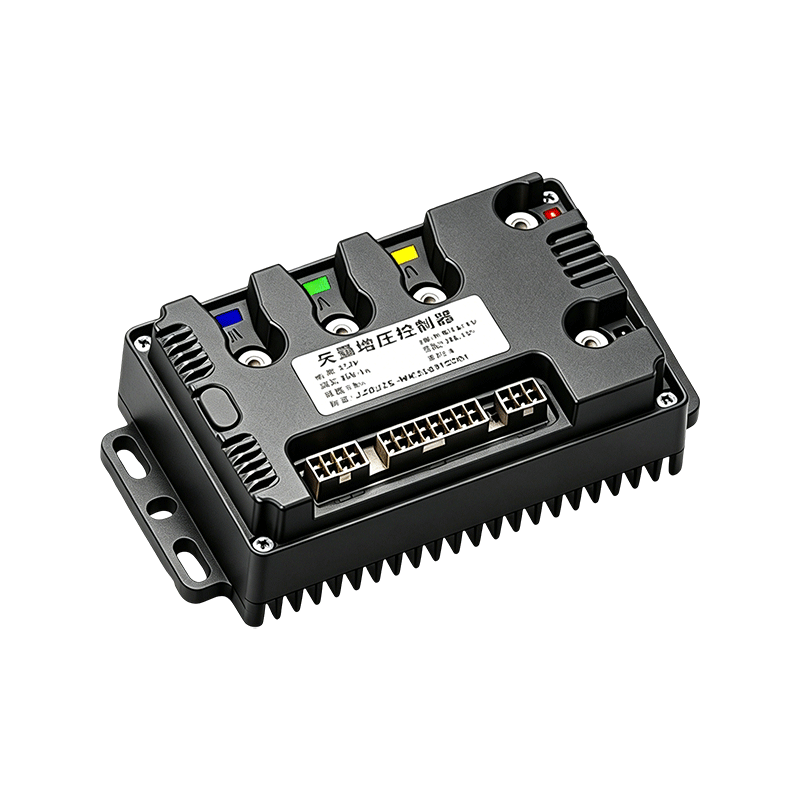
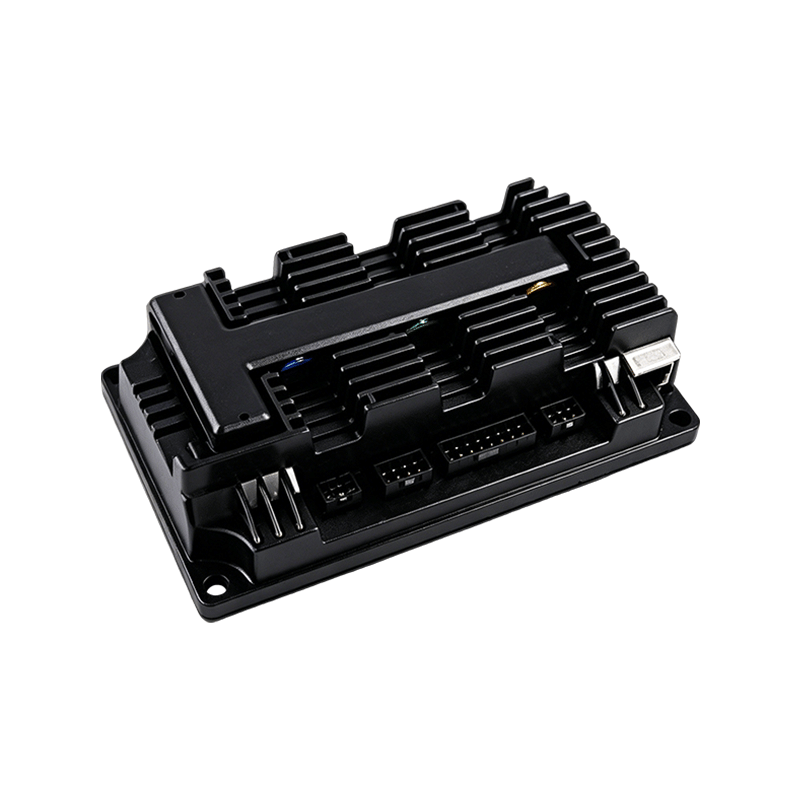
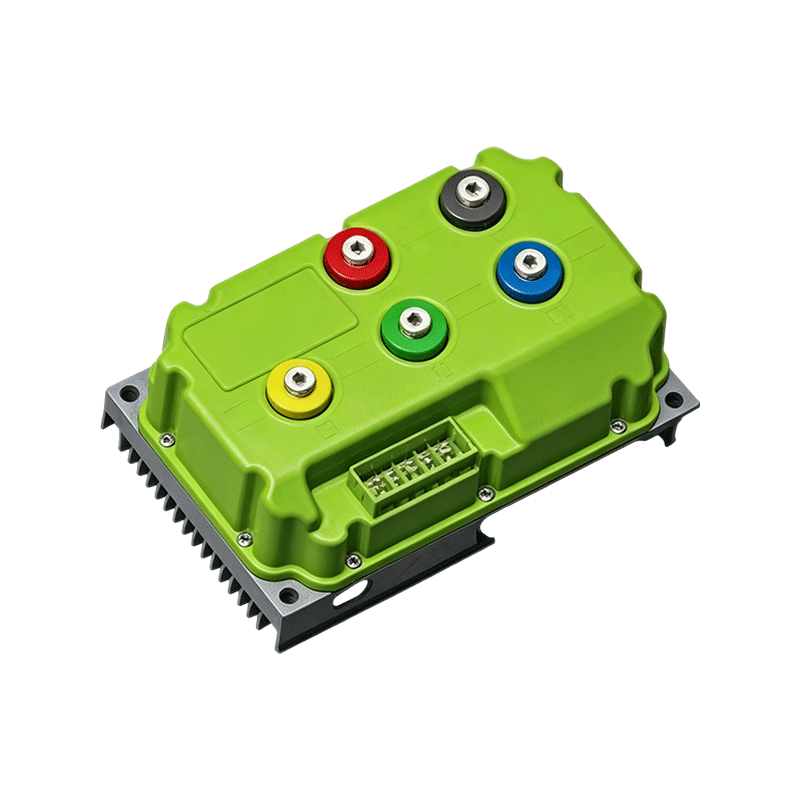
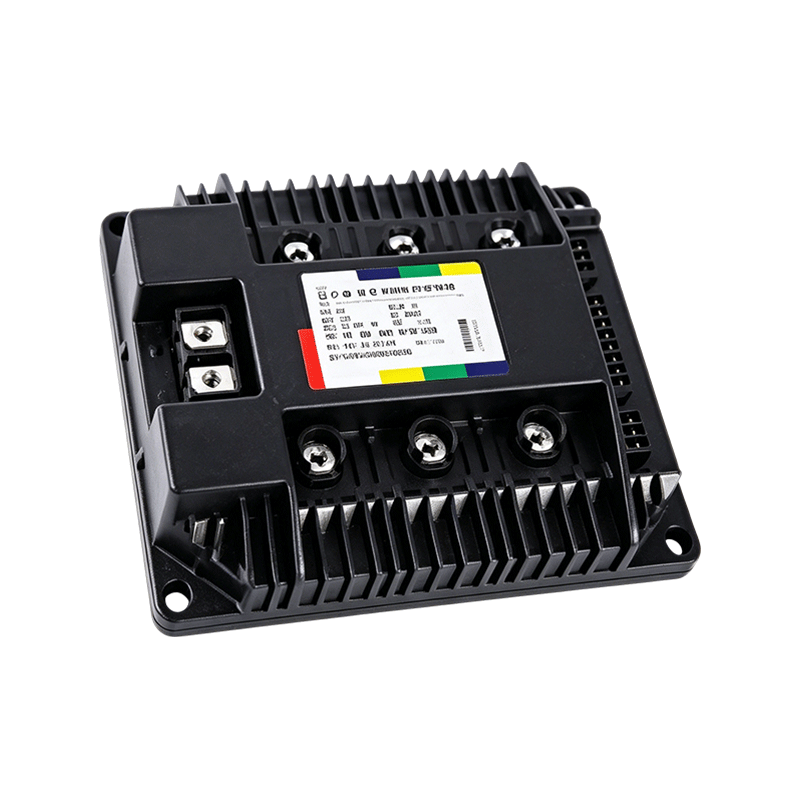
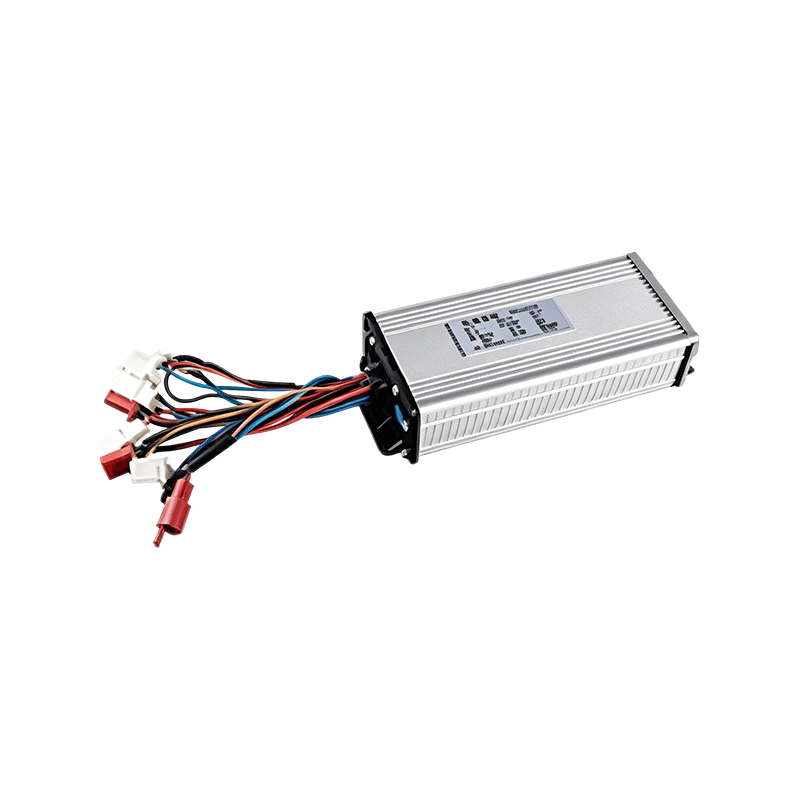
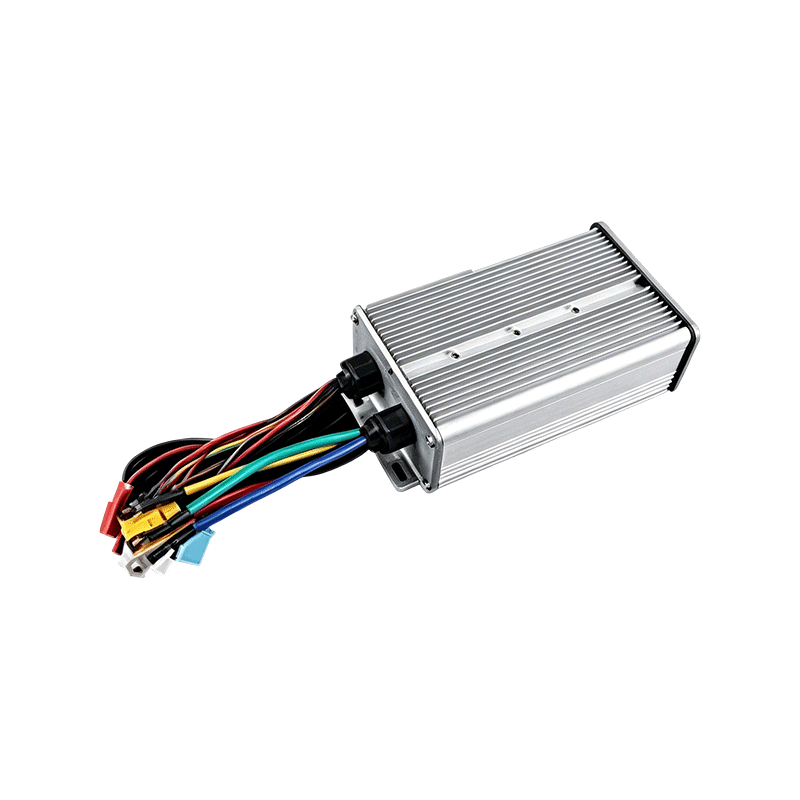
    The electric bike controller plays a crucial role in the operation and performance of an electric bicycle. It serves as the brain of the e-bike's electrical system, regulating and controlling the flow of electric power from the battery to the motor. The controller's importance lies in its ability to ensure a smooth and efficient functioning of the e-bike while also enhancing rider safety and overall user experience. Let's delve into the key aspects that highlight the significance of the electric bike controller: The electric bike controller is responsible for managing the power supplied by the battery to the motor. It ensures that the right amount of power is delivered to the motor based on the rider's input through the throttle or pedal-assist system. By regulating the power flow, the controller optimizes the e-bike's energy consumption, extending the battery life and increasing the bike's range. One of the essential functions of the controller is to control the speed of the electric bike. It interprets the rider's commands from the throttle or pedal sensors and adjusts the motor's power output accordingly. This feature enables the rider to maintain a comfortable and safe speed, whether cruising along city streets or tackling hilly terrains. The controller also plays a significant role in managing the torque or the rotational force applied by the motor. It ensures that the e-bike delivers sufficient torque for smooth acceleration and efficient hill climbing. The controller adjusts the power delivery to provide the right amount of assistance when climbing steep inclines, making uphill rides less strenuous for the rider. Safety is paramount in any vehicle, and e-bikes are no exception. The controller integrates with the e-bike's braking system, implementing regenerative braking technology to recover energy during braking. This feature not only extends the battery life but also enhances the overall braking performance, making the e-bike safer to ride. Many e-bikes come with different rider assistance modes, such as pedal-assist (PAS) and throttle-only modes. The controller allows seamless switching between these modes, giving riders the flexibility to choose the level of electric assistance they desire based on their riding preferences or the terrain they are traversing. Advanced controllers are equipped with various safety features, such as overcurrent protection, overheat protection, and short circuit protection. These safety mechanisms safeguard the e-bike's electrical system from potential damages caused by extreme conditions or unexpected electrical faults, promoting rider safety and preventing accidents. Modern e-bike controllers may feature diagnostic and connectivity capabilities. They can communicate with e-bike displays or mobile apps, providing real-time information about battery status, speed, range, and other relevant data. This connectivity enhances the user experience and enables riders to monitor and optimize their e-bike performance. Some controllers offer customization options, allowing users or manufacturers to adjust certain parameters, such as speed limits or acceleration profiles, to match specific regional regulations or user preferences. Additionally, upgradable controllers enable firmware updates, ensuring that e-bikes can benefit from the latest advancements and improvements in controller technology. The electric bike controller is a fundamental component that significantly impacts an e-bike's performance, safety, and user experience. By efficiently managing power delivery, controlling speed and torque, integrating with the braking system, and incorporating safety features, the controller enhances the overall functionality and reliability of the electric bicycle. As e-bike technology continues to advance, the importance of the electric bike controller in shaping the future of electric mobility cannot be overstated.
    Browse More
  • Industry News - Jul 21, 2023
    The Construction of an Electric Scooter Motor
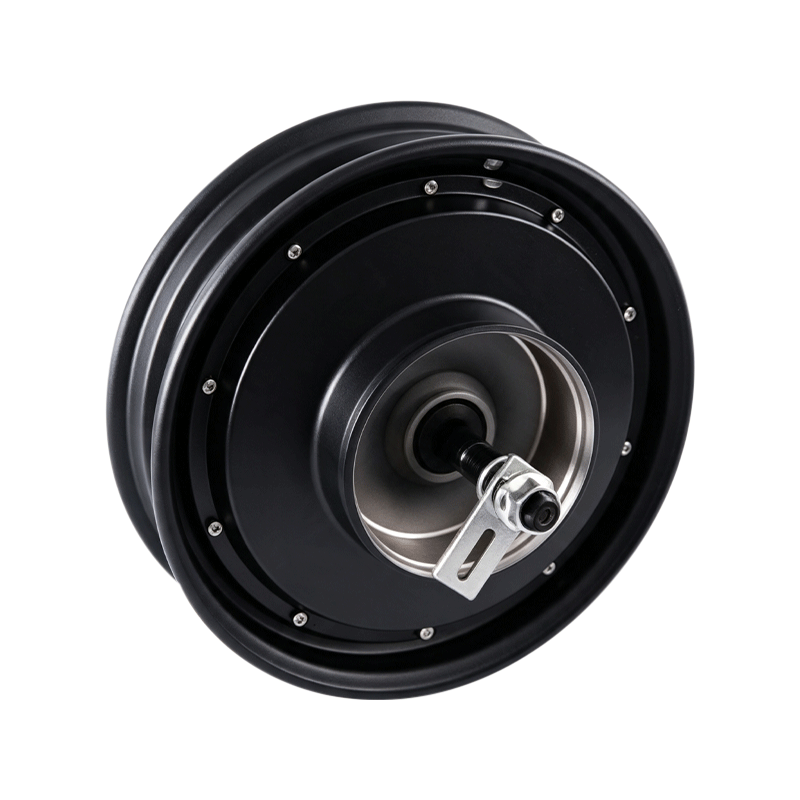
    Electric scooters have gained popularity as a sustainable and convenient mode of transportation, especially for short distances in urban areas. At the heart of these electric scooters is the electric scooter motor, a critical component responsible for providing the necessary power and propulsion. In this article, we will explore the construction of an electric scooter motor, its key components, and its role in the smooth functioning of electric scooters. The stator is a stationary component of the electric scooter motor and is typically made of stacked steel laminations. These laminations are coated with insulating material to reduce eddy currents and losses during operation. The stator houses the copper windings that form the electromagnets. When an electric current flows through these windings, it creates a magnetic field that interacts with the rotor to generate motion. The rotor is the moving part of the electric scooter motor, mounted on the shaft that connects to the scooter's wheels. It is typically constructed with permanent magnets arranged in a cylindrical shape. The magnetic field generated by the stator interacts with the magnetic field of the rotor, causing the rotor to rotate and drive the wheels of the electric scooter. Copper windings are essential components of the stator. The electric current flows through these windings, creating electromagnetic fields that interact with the rotor's permanent magnets. The efficiency and performance of the electric scooter motor depend on the quality and design of these copper windings. Bearings play a crucial role in supporting the rotation of the motor's shaft and reducing friction. High-quality bearings ensure smooth operation and longevity of the electric scooter motor. Some electric scooter motors are equipped with Hall sensors, which provide feedback to the motor controller about the rotor's position and speed. This information is vital for precise control of the motor's operation, including adjusting the speed and acceleration. While not physically a part of the electric scooter motor, the motor controller is an integral component that governs the motor's operation. It receives input from the scooter's throttle and other sensors and regulates the electric current supplied to the motor's windings. The motor controller is responsible for adjusting the speed, torque, and braking of the electric scooter motor. In high-performance electric scooter motors, a cooling system may be included to dissipate heat generated during operation. Excessive heat can lead to decreased efficiency and potential damage to the motor's components. Cooling systems, such as fans or liquid cooling, help maintain optimal operating temperatures. The motor's internal components are enclosed within a sturdy casing and housing, which protect them from external elements and impacts. The casing also ensures proper alignment and positioning of the motor's components, maintaining the motor's overall structural integrity. The electric scooter motor is a sophisticated and vital component that drives the electric scooter's movement and performance. Its construction involves precision engineering and the integration of various key components, such as the stator, rotor, copper windings, bearings, and motor controller. The interaction between these components creates the magnetic fields necessary for converting electrical energy into mechanical motion. With the advancement of technology and materials, electric scooter motors continue to improve in efficiency, power, and durability, enabling electric scooters to become a popular and eco-friendly transportation solution in modern urban environments.
    Browse More
  • Industry News - Jul 14, 2023
    The Versatile Applications of Electric Moped Motors
    Electric moped motors have gained significant popularity as environmentally friendly and efficient alternatives to traditional gasoline-powered engines. These compact and powerful motors offer a wide range of applications, providing convenient and sustainable transportation solutions for urban commuting, delivery services, and recreational purposes. This article explores the versatile uses of electric moped motors and highlights their benefits in various settings. Electric mopeds are an ideal choice for urban commuting due to their compact size, maneuverability, and zero-emission operation. They provide a convenient and cost-effective transportation option for short to medium distance travel within cities. Electric mopeds are well-suited for navigating through traffic, allowing riders to reach their destinations quickly and efficiently. With their low noise levels and minimal air pollution, electric mopeds contribute to creating cleaner and quieter urban environments. Electric mopeds have become increasingly popular for delivery services, especially in densely populated areas. They offer a practical solution for last-mile delivery, enabling efficient and timely transportation of goods. Electric mopeds allow delivery riders to navigate through congested urban areas, reaching customers swiftly while minimizing traffic congestion and carbon emissions. Their compact size allows for easier parking and maneuvering, making them a preferred choice for delivery companies aiming to enhance their operational efficiency and sustainability. Electric mopeds are commonly utilized in rental services, providing an accessible and eco-friendly transportation option for tourists and locals alike. Rental companies offer electric mopeds as an alternative to bicycles or traditional scooters, allowing users to explore cities and tourist destinations conveniently. Electric mopeds are easy to operate, and their quiet operation enhances the overall experience for riders. Rental services that incorporate electric mopeds contribute to reducing carbon footprints and promoting sustainable tourism. Electric mopeds are well-suited for use within campus and industrial complexes, where there is a need for efficient and eco-friendly transportation options. Universities, corporate campuses, and large industrial facilities often have extensive grounds and multiple buildings. Electric mopeds provide a practical means of transportation for students, employees, or staff members to navigate these areas quickly and conveniently. Electric mopeds can be integrated into transportation systems within these complexes, reducing the reliance on traditional vehicles and promoting sustainable mobility. Electric mopeds offer a fun and eco-friendly option for recreational and leisure activities. They are widely used in parks, resorts, and recreational areas for sightseeing, exploring trails, and enjoying outdoor adventures. Electric mopeds provide a thrilling experience while minimizing noise pollution and minimizing impact on natural environments. They are also popular among individuals who enjoy recreational riding, allowing them to explore scenic routes or simply enjoy the freedom of two-wheeled transportation. Electric mopeds serve as practical and environmentally conscious modes of personal transportation. They offer an alternative to traditional gas-powered scooters or motorcycles, providing similar convenience and mobility without harmful emissions. Electric mopeds are suitable for individuals seeking efficient and cost-effective transportation for their daily commute, errands, or recreational rides. With advancements in battery technology, electric mopeds offer extended range capabilities, making them a viable option for longer trips. Electric moped motors provide versatile and sustainable transportation solutions for various applications. Whether for urban commuting, delivery services, rental services, campus or industrial complexes, recreational activities, or personal transportation, electric mopeds offer numerous benefits. Their compact size, maneuverability, zero-emission operation, and quiet performance make them a preferred choice for individuals and businesses aiming to reduce their environmental impact while enjoying efficient and convenient transportation. As electric vehicle technology continues to evolve, electric mopeds are poised to play an increasingly significant role in shaping the future of sustainable urban mobility.
    Browse More
  • Industry News - Jul 07, 2023
    The Structure And Principle Of The Electric Bike Controller
    The electric bike controller is a crucial component of an electric bicycle, responsible for managing and controlling the electrical system. It regulates the flow of power from the battery to the motor, allowing for smooth acceleration, speed control, and overall performance. In this article, we will explore the construction and principles behind the electric bike controller. The electric bike controller consists of several key components that work together to control the electric system: a. Microcontroller: The microcontroller is the brain of the electric bike controller. It receives input signals from various sensors and controls the output to the motor accordingly. It processes data, executes commands, and ensures the proper functioning of the controller. b. Power Stage: The power stage includes power transistors or MOSFETs (Metal-Oxide-Semiconductor Field-Effect Transistors) responsible for controlling the current flow to the motor. These components handle high voltages and currents, converting the low-voltage signals from the microcontroller into higher voltage and current outputs. c. Sensors: The controller incorporates various sensors to gather information about the system, including the speed, pedal cadence, pedal assist level, and battery voltage. These sensors provide real-time data to the microcontroller, enabling it to adjust the motor's power output and overall performance. d. User Interface: The user interface allows the rider to interact with the electric bike controller. It typically consists of buttons, switches, or a display panel. The user interface allows the rider to adjust settings, select different power modes, monitor battery levels, and receive feedback on the system's status. Principles of Operation: The electric bike controller operates on the principle of pulse-width modulation (PWM). PWM is a technique that involves rapidly switching the power supply on and off at a fixed frequency. By controlling the duration of the power supply's on-and-off cycles, the controller can regulate the average power delivered to the motor. When the rider inputs a command, such as twisting the throttle or pedaling, the sensors detect the input and send signals to the microcontroller. The microcontroller processes this data and determines the appropriate power level to be sent to the motor. It then adjusts the power transistors in the power stage to control the amount of current flowing to the motor. The microcontroller generates PWM signals that control the switching of the power transistors. By varying the duty cycle of the PWM signal (the percentage of time the power is on versus off), the microcontroller regulates the average voltage and current sent to the motor. This control allows for precise speed control, acceleration, and power delivery. Electric bike controllers often include safety features to protect the system and the rider. Some common safety features include: a. Overcurrent Protection: The controller monitors the current flowing to the motor and can limit or cut off power if it exceeds a safe threshold. This protects the motor and other components from damage due to excessive current. b. Overvoltage and Undervoltage Protection: The controller monitors the battery voltage and can prevent overcharging or excessive discharging, which can damage the battery. It also cuts off power if the battery voltage drops too low, preventing deep discharge. c. Temperature Monitoring: The controller monitors its own temperature and that of other components. If the temperature exceeds safe limits, the controller can reduce power output or activate thermal protection measures to prevent overheating. d. Regenerative Braking: Some electric bike controllers support regenerative braking, which converts kinetic energy during braking into electrical energy and stores it in the battery. This feature improves energy efficiency and extends the battery range. The electric bike controller is a critical component that controls the power delivery and performance of an electric bicycle. Its construction involves a microcontroller, power stage, sensors, and a user interface. By utilizing the principles of PWM, the controller regulates the flow of power from the battery to the motor, enabling smooth acceleration, and speed control, and implementing various safety features. Understanding the structure and principles of the electric bike controller is essential for optimizing the performance and safety of electric bicycles.
    Browse More
  • Industry News - Jun 30, 2023
    The Future of Electric Bike Motors
    Electric bikes, or e-bikes, have gained tremendous popularity in recent years as a sustainable and efficient mode of transportation. At the heart of these innovative vehicles lies the electric bike motor, a compact and powerful component that provides the necessary propulsion to enhance the cycling experience. In this article, we will delve into the key features and advancements in electric bike motors, highlighting their impact on the future of cycling. There are generally two types of electric bike motors: hub motors and mid-drive motors. Hub Motors: Hub motors are located within the hub of either the front or rear wheel. They provide direct power to the wheel, propelling the bike forward. Hub motors are known for their simplicity, quiet operation, and ease of installation. They are available in two variants: front hub motors, which offer better stability and straightforward installation, and rear hub motors, which provide better traction and torque. Mid-Drive Motors: Mid-drive motors are positioned near the bike's bottom bracket, directly powering the crankshaft. This placement allows for a more balanced weight distribution and a lower center of gravity, resulting in improved handling and stability. Mid-drive motors provide power directly to the bike's drivetrain, leveraging the gears to optimize efficiency and climbing abilities. Electric bike motors come in a range of power options, typically measured in watts (W). Higher wattage motors provide more torque and assistance, enabling riders to tackle steep inclines and achieve higher speeds with ease. Motors with power ratings ranging from 250W to 750W are commonly found in electric bikes, with some high-performance models featuring motors exceeding 1000W. Electric bike motors offer two main control options: pedal assist and throttle control. Pedal-Assist: Pedal-assist systems detect the rider's pedaling motion and provide proportional assistance based on the selected power level. This type of control encourages active cycling participation while extending the bike's range by optimizing power usage. Pedal-assist systems offer multiple assistance levels, allowing riders to choose the desired level of motor assistance. Throttle Control: Throttle-controlled systems operate similarly to a motorcycle or scooter, providing electric power on-demand with the twist of a throttle. Throttle control offers instant acceleration and is convenient for situations where riders may need immediate assistance or when starting from a stationary position. Electric bike motors are typically powered by lithium-ion batteries, which offer high energy density and long-lasting performance. The battery packs are often integrated into the frame design, providing a sleek and streamlined appearance. Removable battery options allow for easy recharging, enabling riders to extend their journey by swapping out depleted batteries for fully charged ones. Advancements in electric bike motor technology have focused on improving efficiency and extending the range of e-bikes. Modern motors are designed to deliver optimal power output while conserving energy. Coupled with intelligent motor controllers and energy regeneration systems, electric bike motors can enhance overall efficiency and significantly extend the bike's range on a single charge. Different countries and regions have specific regulations regarding electric bike motors, including power limitations, speed restrictions, and age requirements. It is important for riders to understand and adhere to these regulations to ensure legal compliance and safe riding practices. Electric bike motors are revolutionizing the cycling industry by providing a seamless blend of human and electric power. With their various types, power options, control mechanisms, and battery integration, electric bike motors offer enhanced performance, extended range, and improved efficiency.
    Browse More
  • Industry News - Jun 25, 2023
    Unveiling the Ingenious Principle of Electric Bike Controllers
    Electric bikes have revolutionized the way we commute, offering an eco-friendly and efficient mode of transportation. At the heart of these bikes lies the electric bike controller, a sophisticated device that orchestrates the flow of electrical power and controls the bike's performance. In this article, we will delve into the intricate workings and principles behind electric bike controllers, providing a high-level understanding of their functionality and emphasizing their significance in the realm of electric mobility. The fundamental principle of an electric bike controller is power management and distribution. The controller acts as the intermediary between the battery, motor, and other electrical components, ensuring efficient power delivery and optimal performance. It regulates the flow of electrical energy, converting it to the appropriate voltage and current levels required by different parts of the electric bike system. One of the key functions of an electric bike controller is throttle and speed control. The controller receives input from the rider through the throttle mechanism, which can be a twist grip, thumb lever, or pedal-assist sensor. Based on the input, the controller adjusts the power output from the battery to the motor, modulating the speed and acceleration of the electric bike. This enables riders to control their speed and adapt to various riding conditions. The electric bike controller plays a crucial role in controlling the motor and its commutation. It utilizes sophisticated algorithms and feedback mechanisms to manage the motor's rotation speed, torque, and direction. By precisely controlling the electrical pulses sent to the motor, the controller ensures smooth and efficient motor operation, optimizing power consumption and enhancing overall ride quality. Many modern electric bike controllers feature regenerative braking functionality. This innovative feature allows the controller to harness the kinetic energy generated during braking and convert it back into electrical energy. The controller coordinates the transfer of this energy to the battery, effectively recharging it and increasing the bike's overall energy efficiency. Regenerative braking not only extends the bike's range but also reduces wear on the mechanical brake system. Electric bike controllers are equipped with advanced battery management systems (BMS) that monitor and protect the battery. The BMS within the controller ensures that the battery operates within safe voltage and temperature limits, preventing overcharging, over-discharging, and thermal runaway. This vital function safeguards the battery's longevity, performance, and overall safety. To provide users with essential information and control over their electric bikes, controllers often incorporate diagnostic and control interfaces. These interfaces, which can include LCD displays, LED indicators, or smartphone connectivity, allow riders to monitor battery levels, speed, distance traveled, and other vital parameters. Some controllers even offer programmable settings, enabling riders to customize their riding experience according to their preferences. The electric bike controller serves as the intelligent brain behind the seamless integration of power, control, and efficiency in electric bikes. By managing the flow of electrical energy, regulating motor performance, and providing essential diagnostic and control interfaces, the controller ensures a smooth and exhilarating riding experience. Its intricate principles and advanced features demonstrate the ingenuity and sophistication of electric bike technology. Embrace the remarkable functionality of electric bike controllers and unlock the full potential of electric mobility, contributing to a greener and more sustainable future.
    Browse More
Message Feedback
Motor & Controller Industry Knowledge