

 English
 中文简体
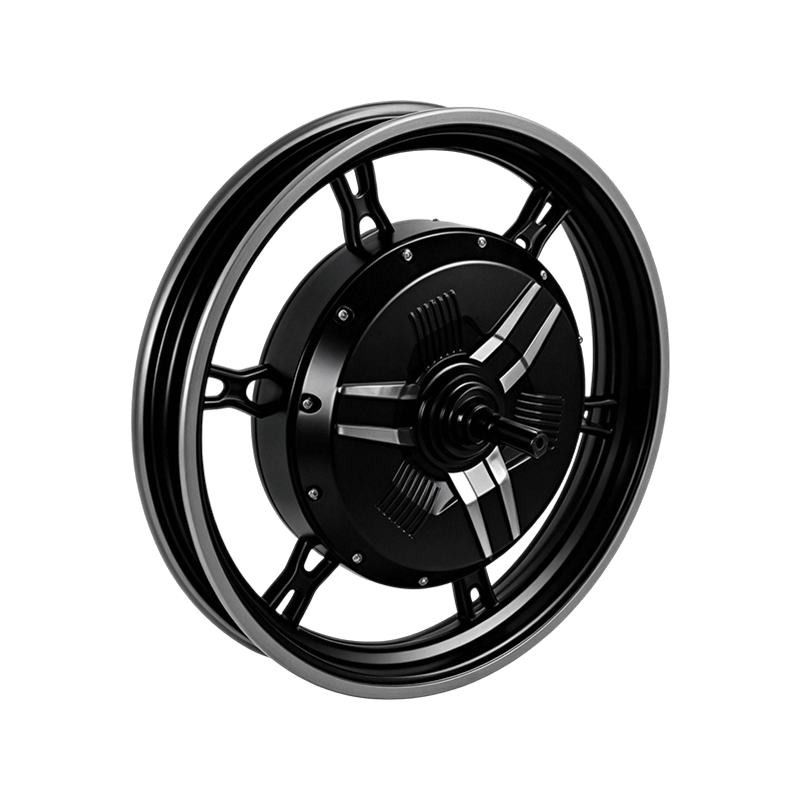
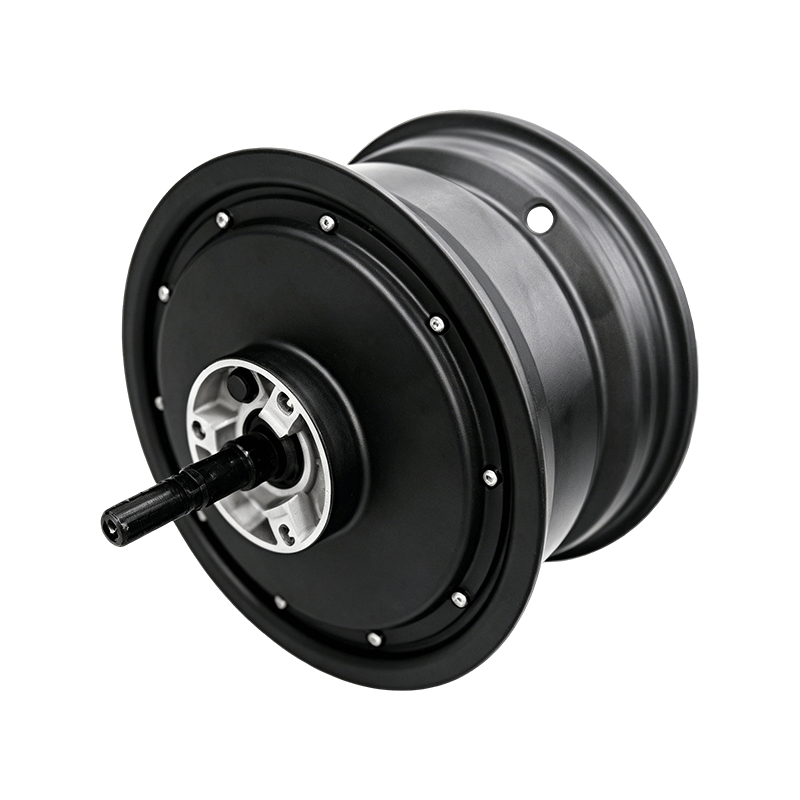
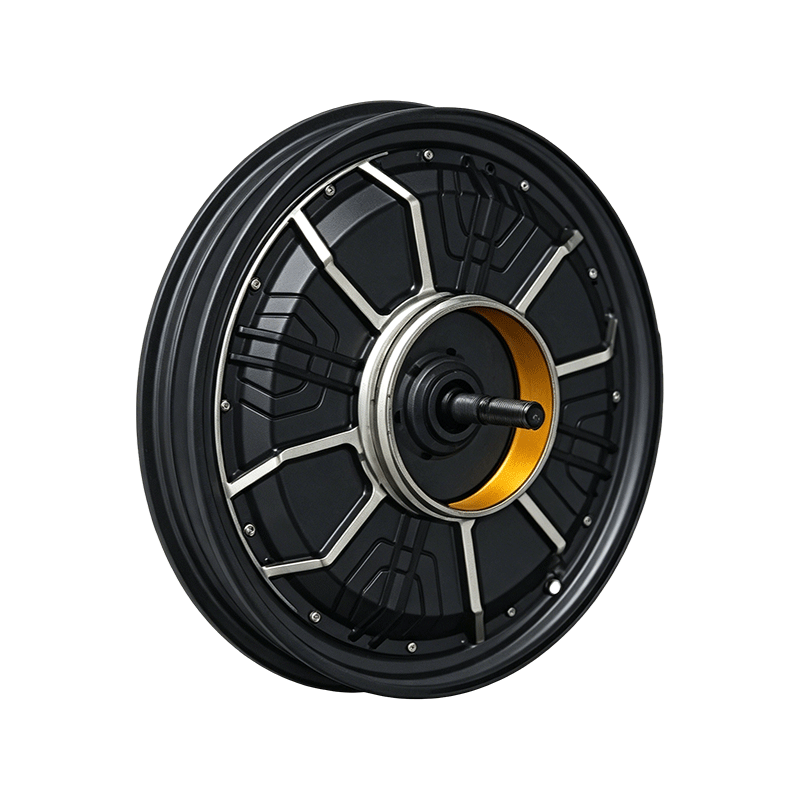
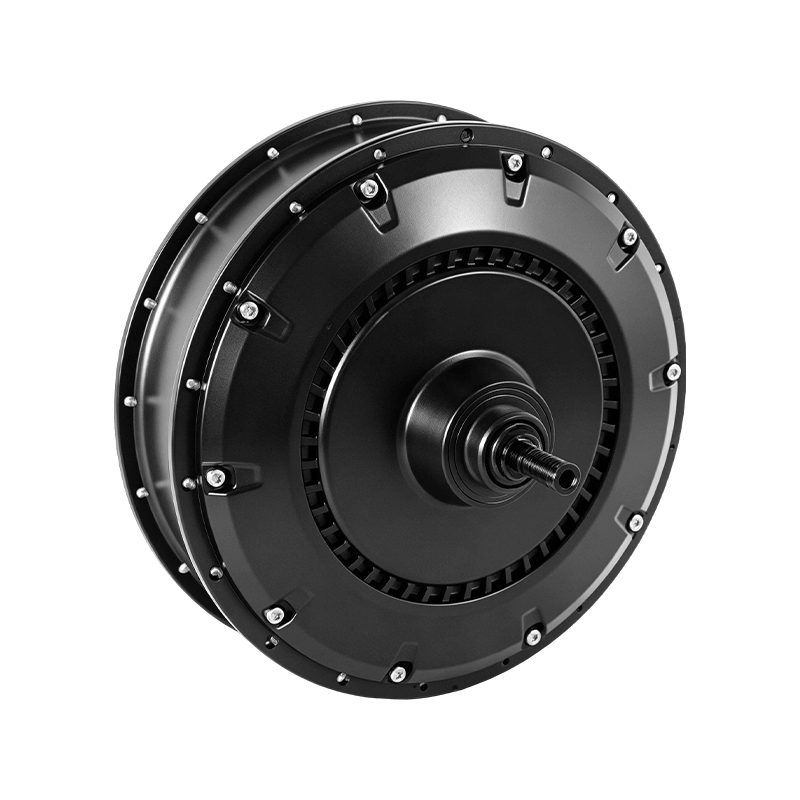
中文简体Electric motorcycle motors are becoming a key element in urban transport, providing riders with smooth acceleration and consistent torque. Electric motors convert electrical energy directly into motion without relying on complex mechanical parts. This allows electric motorcycles to start instantly, delivering immediate response when the throttle is applied. Riders often notice a quiet, steady sound, which adds to a different kind of road experience.
Electric motorcycle motors rely on battery packs to supply the necessary voltage and current. The combination of motor design and battery type determines how far a motorcycle can travel and how quickly it can accelerate. Modern batteries are lighter and pack more energy than earlier versions, allowing riders to cover longer distances without increasing weight significantly. The connection between battery and motor is managed through controllers that regulate power flow. These controllers manage torque, adjust speed, and provide protection against overcurrent or overheating. Riders often find this precise control more comfortable compared to conventional throttle systems.
Cooling can be an important factor for electric motorcycle motors. While many smaller motors operate effectively using passive air cooling, higher-powered motors sometimes include liquid cooling systems to maintain a stable temperature during extended rides. Keeping the motor at a moderate temperature improves efficiency and preserves components over time. Additionally, design improvements have made modern motors more compact, helping to maintain a low center of gravity that improves balance and stability on the road.
One advantage of electric motors is their ability to deliver torque at low speeds. This gives riders a sense of acceleration without the need for gear changes, making urban traffic navigation smoother and less demanding. The instant torque can be particularly noticeable when starting from a stop or maneuvering around corners. This feature also supports regenerative braking, which converts kinetic energy back into electrical energy during deceleration, feeding it back into the battery and extending the vehicle’s range.
Maintenance of electric motorcycle motors tends to be simpler than combustion engines due to fewer moving parts and less wear on mechanical systems. Bearings, shafts, and other components are still present but operate under lower stress, reducing the frequency of replacement or adjustment. Many riders appreciate the consistent performance and reliability over time, with minimal variations caused by changes in fuel quality or engine tuning.
Noise reduction is another noticeable feature. The low hum of an electric motor contrasts sharply with the roar of traditional motorcycles, providing a different sensory experience. Riders often report feeling more relaxed during rides in city areas due to the absence of engine vibration and loud exhaust sounds. At the same time, the quiet operation raises awareness of pedestrians and other vehicles, which has led manufacturers to explore sound augmentation systems that produce a gentle alert sound at low speeds.
In terms of performance, electric motorcycle motors offer linear acceleration across their operating range. Unlike combustion engines, there is no drop in torque at low rpm, which provides a steady feeling of motion. This linearity is appreciated by new riders and experienced ones alike, allowing predictable handling under a variety of conditions. Urban riders, in particular, benefit from this feature during stop-and-go traffic, where smooth throttle response reduces sudden movements and enhances control.